



Fertility Conditions We Treat
Comprehensive Care for Your Health

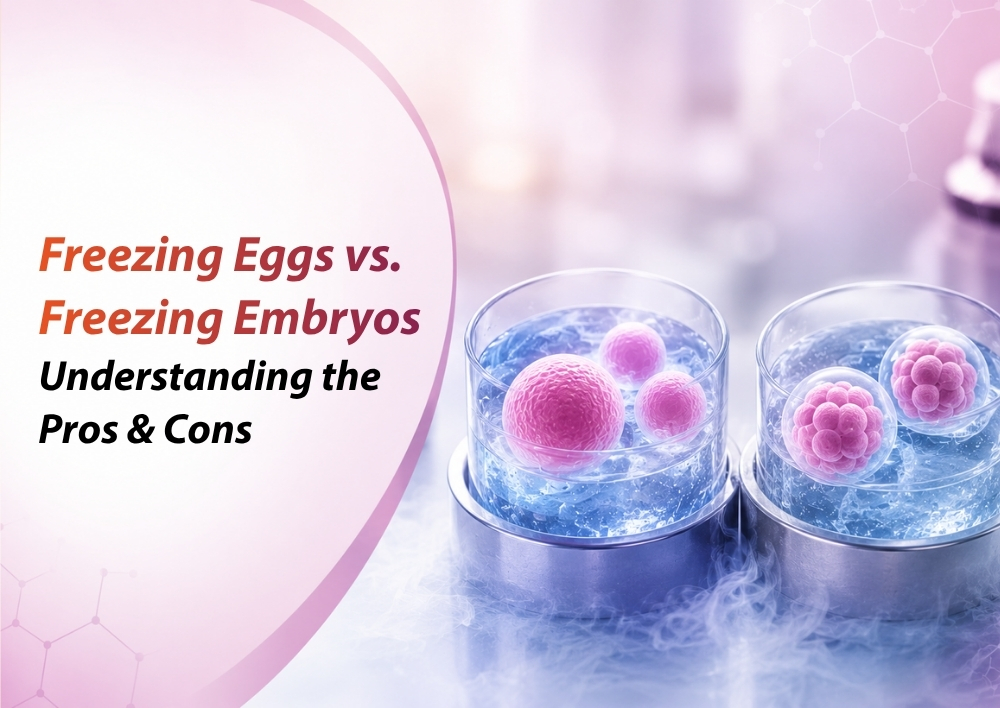
Egg freezing, medically known as oocyte cryopreservation, is a fertility preservation technique that lets a woman preserve unfertilized eggs for possible future use. Doctors collect eggs from the ovaries and rapidly freeze them using a technique called vitrification.
Egg freezing may be considered by women who want to delay pregnancy, are planning treatment that may affect ovarian function, or want to preserve their reproductive options for the future. The age at which eggs are frozen and the number and quality of eggs available can influence future outcomes.
If you are considering egg freezing in Gurgaon, consult the fertility specialist at Miracles Healthcare to understand whether fertility preservation is right for you and plan your treatment with confidence.
Egg freezing allows a woman to preserve her eggs for future use. It may be considered when pregnancy is being delayed or when fertility may be affected by age, medical conditions, or certain treatments.
To delay pregnancy: Preserve eggs at a younger age for potential use later.
To preserve fertility before medical treatment: Some cancer treatments and other medical therapies can affect ovarian function.
To protect future fertility options: Women who are not ready for pregnancy can preserve their reproductive options.
To preserve eggs before a decline in egg quality: Both egg quantity and quality generally decline with age.
For personal or professional reasons: Women who wish to postpone starting a family may consider fertility preservation.
Before certain fertility-affecting conditions or procedures: A fertility specialist may recommend egg freezing when future ovarian reserve may be at risk. For example: cancer treatment, endometriosis surgery, ovarian cyst surgery.
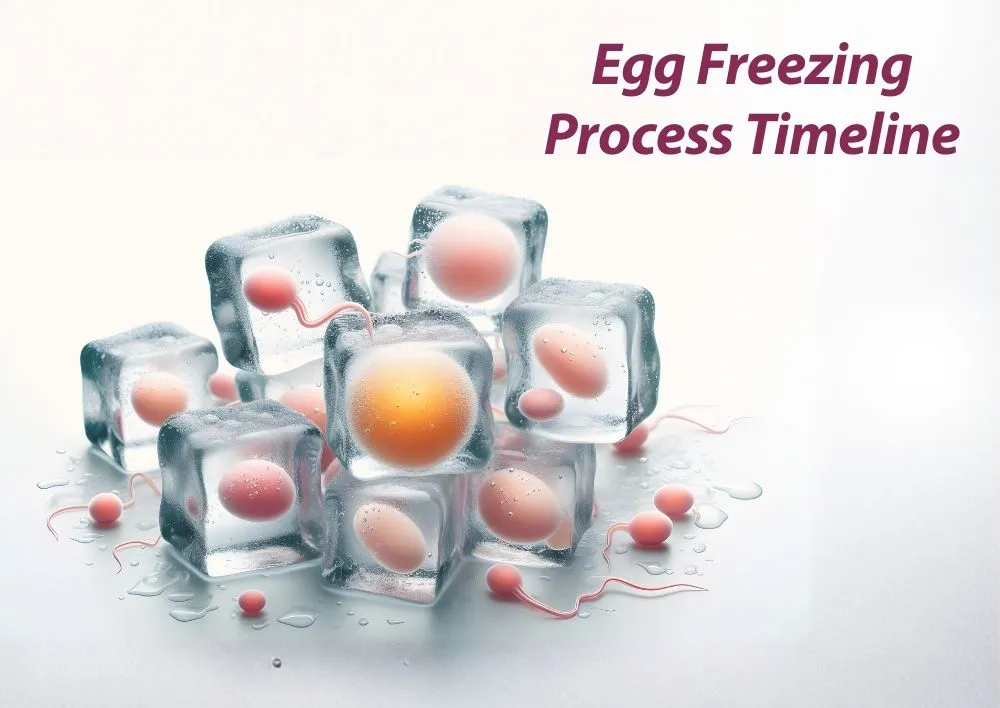
The egg freezing process generally involves several steps:
Initial Fertility Assessment: Your fertility expert evaluates ovarian reserve and overall reproductive health through medical history, ultrasound, and blood tests.
Ovarian Stimulation: Fertility medicines are given for around 8–14 days to encourage multiple eggs to mature during one cycle.
Monitoring: Ultrasound scans and blood tests are performed to monitor follicle growth and hormone levels.
Trigger Injection: Once the eggs are appropriately mature, a trigger injection is given to prepare them for collection.
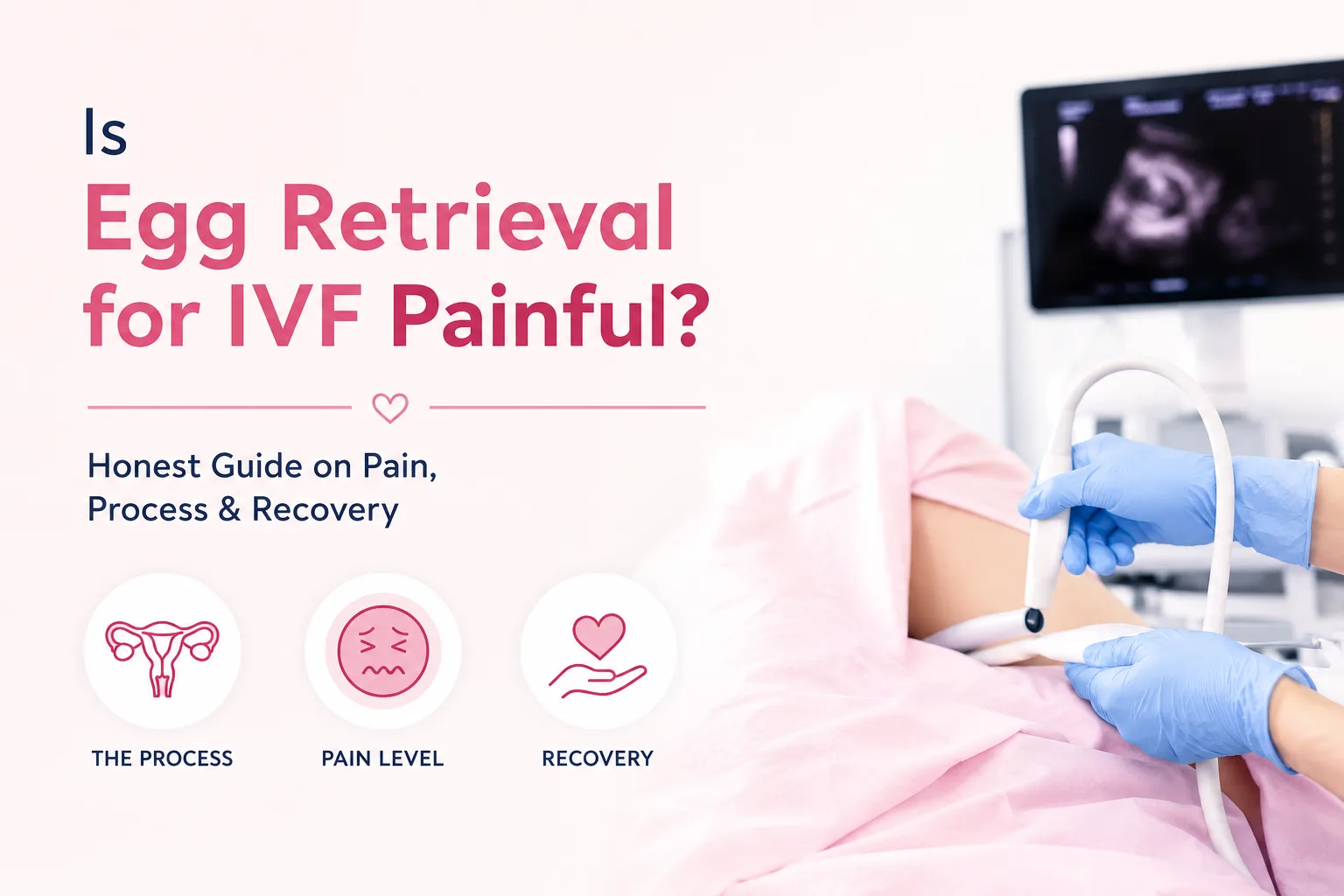
Egg Retrieval: Mature eggs are collected from the ovaries using a needle guided by ultrasound. The procedure is usually performed under sedation or anaesthesia.
Vitrification: Suitable mature eggs are rapidly frozen and stored at very low temperatures in the embryology laboratory for future use.
Before starting an egg-freezing cycle, egg freezing preparation may include
Undergoing the advised fertility and ovarian reserve tests
Sharing your complete medical and medication history
Taking prescribed fertility medicines exactly as instructed
Avoiding smoking and recreational drugs
Limiting alcohol and maintaining a balanced diet
Getting adequate sleep and staying physically active
Following instructions regarding food, fluids, and medications before egg retrieval
Planning some time to rest after the egg retrieval procedure
Your doctor will provide specific instructions based on your health and treatment plan.
Egg freezing may be an option for women who:
Want to postpone pregnancy for personal, professional, or family reasons
Are not currently ready to have children but want to preserve future fertility options
Need medical treatment that may affect ovarian function
Have a condition or situation associated with reduced fertility potential
Are undergoing fertility treatment and wish to preserve suitable eggs
Have been advised by a fertility specialist to consider fertility preservation
Egg freezing is not suitable for everyone. A fertility specialist can assess your age, ovarian reserve, medical history, and reproductive goals before recommending the procedure.
Egg freezing can offer several potential benefits:
Preserves unfertilized eggs: Eggs can be stored for future use without requiring sperm at the time of freezing.
Provides reproductive flexibility: Women can preserve eggs when they are younger and consider pregnancy at a later stage.
Supports fertility preservation: It may help women preserve eggs before certain medical treatments.
Allows future IVF treatment: Frozen eggs can be thawed and fertilized when pregnancy is planned.
Offers greater control over reproductive planning: It can provide an additional option for women who are not ready for pregnancy now.
After the egg retrieval procedure, some temporary discomfort may occur. Here’s what you can expect:
Mild discomfort: Abdominal cramps, pelvic heaviness, or bloating may occur for a few days.
Light spotting: Mild vaginal spotting can happen after egg retrieval.
Recovery: Most women can gradually return to their routine activities as they feel comfortable.
Egg assessment: Retrieved eggs are evaluated by embryologists to identify mature eggs suitable for freezing.
Vitrification and storage: Mature eggs are rapidly frozen using vitrification and stored in specialized cryopreservation facilities.
Future use: When you decide to pursue pregnancy, the eggs can be thawed, fertilized with sperm through IVF, and developed into embryos for transfer.
Pregnancy is not guaranteed: Egg freezing preserves an option for future fertility, but it does not guarantee a successful pregnancy.
The cost of egg freezing in Gurgaon generally ranges from Rs. 1 lakh to Rs. 1.5 lakh per cycle, depending on the treatment plan, medicines, and laboratory services involved. Additional charges may apply for long-term egg storage.
The overall cost may include:
Fertility consultation and initial tests
Ovarian stimulation medicines
Ultrasound and hormone monitoring
Egg retrieval procedure
Anaesthesia or sedation
Egg vitrification and embryology charges
Egg storage and annual storage fees
The exact cost can vary based on your age, ovarian reserve, number of eggs retrieved, and whether more than one cycle is required. To know the exact cost, consult a fertility specialist near you
The cost of egg freezing can vary depending on several factors, including:
Initial fertility tests and consultations
Ovarian stimulation medicines
Number of monitoring scans and blood tests
Egg retrieval procedure
Anaesthesia or sedation charges
Embryology and vitrification charges
Number of eggs retrieved and freezing cycles required
Long-term egg storage charges
Future thawing, fertilization and embryo transfer costs
It is advisable to ask your fertility clinic for a complete estimate that clearly explains the treatment and storage-related charges.
Egg freezing is generally considered a safe fertility preservation procedure, but like any medical treatment, it has potential risks.
These may include:
Bloating, abdominal discomfort, or mood changes due to fertility medicines
Ovarian Hyperstimulation Syndrome (OHSS), particularly in women who respond strongly to stimulation
Bleeding, infection or injury associated with egg retrieval, although these complications are uncommon
The possibility of retrieving fewer mature eggs than expected
Not all frozen eggs may survive the thawing process or fertilize successfully
Future pregnancy is not guaranteed even when eggs have been successfully frozen
Your fertility specialist will discuss the potential benefits and risks before treatment.
After egg retrieval, follow your doctor's instructions and allow your body time to recover. You should:
Take prescribed medicines as advised
Stay adequately hydrated
Eat nutritious, balanced meals
Avoid strenuous exercise until your doctor advises that it is safe
Avoid sexual intercourse for the period recommended by your fertility specialist
Attend any scheduled follow-up appointments
Contact your doctor if you experience severe abdominal pain, heavy bleeding, breathing difficulty, persistent vomiting, rapid weight gain, or other concerning symptoms
Miracles Healthcare is the best hospital for fertility treatment in Gurgaon, which has been providing fertility care supported by an ICMR-certified embryology laboratory, with dedicated facilities for advanced reproductive procedures and cryopreservation since 2014. The hospital has successfully maintained the frozen eggs of a patient for 10 years, demonstrating experience in long-term cryostorage.
Patients receive end-to-end fertility care, from ovarian reserve assessment and stimulation to egg retrieval, vitrification, and storage. A dedicated team of fertility doctors, embryologists, and nurses works together to ensure that every stage of the process is carefully managed.
Planning to preserve your fertility? Connect with the fertility team at Miracles Healthcare, Gurgaon, for personalized guidance on egg freezing.

Comprehensive Care for Your Health
Meet our expert team of Fertility Doctors where compassionate care meets expertise.

Inspiring Journeys: True Patient Stories

Thanks Mr. Nedrat Abdul for your grateful words fo...

Watch what one of our patient Mrs. Maria Amelin Ma...

Mr. Aadarsh Kumar - Patient Testimonial for Matern...

Our team at Miracles Healthcare takes extra care o...
Miracles Healthcare is a leading multispeciality hospital in Gurgaon. We are committed to providing comprehensive and high-quality medical care across all specialties under one roof.






Learn about the world class health care we provide
Source for Expert Advice and Health Tips



Learn about the world class health care we provide
No. At 34, egg freezing can still be an option, although egg quality and quantity generally decline with age. A fertility assessment can help determine whether it is suitable for you.
The egg retrieval procedure is usually performed under sedation or anaesthesia, so significant pain during the procedure is uncommon. Mild cramps, bloating, or pelvic discomfort may occur afterward.
Temporary bloating and fluid retention may cause a small increase in weight during ovarian stimulation. This usually settles after the treatment cycle.
Pregnancy during an egg-freezing cycle is possible if ovulation occurs and unprotected intercourse takes place. Your fertility specialist will advise you to avoid unprotected sex during treatment.
Egg freezing is generally more effective when performed at a younger age, particularly in the late 20s to early 30s, when egg quality is typically better.
Yes. Egg freezing does not stop your natural fertility or affect your ability to ovulate in the future. It simply preserves some eggs for potential use later.


