


 CARDIOLOGY

Dr. Sunil Wadhwa
Consultant - Cardiology
MBBS, DNB (Cardiology), DNB (Medicine)
22
Years Experience
Practicing at:
Sector - 56
Professional Credentials
MBBS
DNB (Cardiology)
- Lifetime member – CSI and CSI, Delhi Branch
- Life member – Paediatric Cardiological Society of India
About Dr. Sunil Wadhwa
Dr. Sunil Wadhwa has worked as consultant cardiologist at various esteemed hospitals in Delhi NCR. He has a keen interest in the treatment of cardiac conditions with timely primary intervention in acute myocardial infarction and pacemaker implantation, AICD Implantation, CRT-D implantation besides the adult congenital heart disease intervention eg. ASD, VSD, PDA Device closure. He has a keen interest in peripheral vascular interventions as well like renal stenting, carotid angioplasty and peripheral arterial and venous interventions.
Doctor Videos & Expert Talks
View all Videos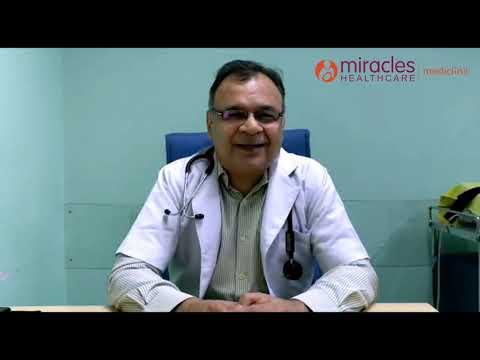
Availability & Clinic Schedule
| Day | Miracles Mediclinic, Sec-56 |
|---|---|
| Monday | 07:00 pm - 08:00 pm |
| Tuesday | 07:00 pm - 08:00 pm |
| Wednesday | 07:00 pm - 08:00 pm |
| Thursday | 07:00 pm - 08:00 pm |
| Friday | 07:00 pm - 08:00 pm |
| Saturday | 07:00 pm - 08:00 pm |
| Sunday | 11:00 am - 01:00 pm |
Health & Wellness Blog
Articles by Dr. Sunil Wadhwa & Our Experts
CARDIOLOGY
 CARDIOLOGY
 CARDIOLOGY
Frequently Asked Questions
Dr. Sunil Wadhwa has a specialist interest in managing acute myocardial infarction, pacemaker and AICD implantation, CRT-D implantation, and adult congenital heart disease interventions.
Yes, you can consult Dr. Sunil Wadhwa for evaluation and management of high blood pressure, heart disease, and other cardiovascular concerns.
Dr. Sunil Wadhwa is available for consultation Monday to Saturday from 7:00 PM to 8:00 PM and Sunday from 11:00 AM to 1:00 PM at Miracles Healthcare, SCO 68–69, More Market, Block B, Sector 56, Gurugram, Haryana 122011.
You can schedule an appointment with Dr. Sunil Wadhwa by visiting the Miracles Healthcare website or contacting the hospital directly at 906-906-8800.
Fast or irregular heartbeats may be caused by stress, caffeine, certain medicines, thyroid problems, or heart rhythm disorders. Persistent or recurrent symptoms should be evaluated by a doctor.
Yes. High cholesterol can contribute to plaque buildup in the arteries, increasing the risk of coronary artery disease and other cardiovascular problems.
Regular physical activity, a balanced diet, maintaining a healthy weight, avoiding tobacco, managing stress, and controlling blood pressure, cholesterol, and blood sugar can support heart health.
A cardiologist diagnoses and manages heart conditions, usually using medicines and catheter-based procedures, while a heart surgeon performs surgical procedures to treat certain heart conditions.


