


Internal Medicine Conditions We Treat
Comprehensive Care for Your Health

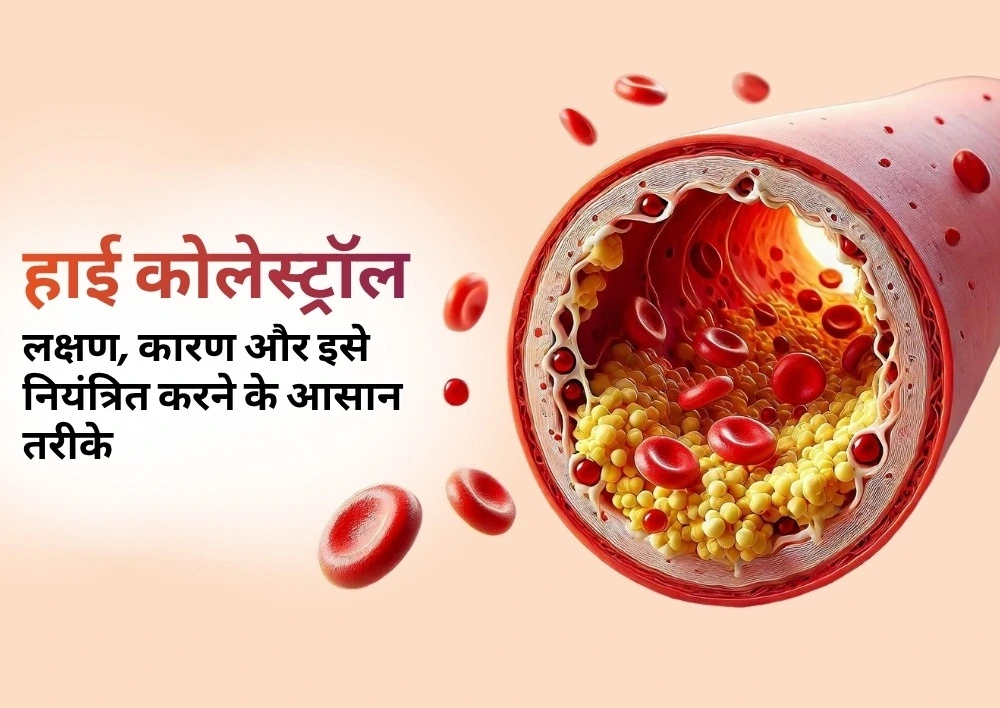
High cholesterol, also called hypercholesterolemia, is a health condition in which blood cholesterol levels are very high. Cholesterol is an oily, waxy substance needed by the body for hormone production and cell formation, but high levels of cholesterol may lead to fat deposits in the arteries.
Since high cholesterol rarely causes symptoms, it is often referred to as a silent disease. Unmanaged high cholesterol levels may pose a threat to one’s heart, leading to cardiovascular diseases, heart attack, and stroke. Frequent cholesterol checks along with appropriate treatment will help in keeping cholesterol in check and ensuring heart health in the future.
Worried about high cholesterol or your heart? Meet an experienced internal medicine doctor in Gurgaon at Miracles Healthcare for diagnosis and proper treatment.
High cholesterol usually does not cause noticeable symptoms. Most people discover it through a lipid profile blood test. In cases of very high or inherited cholesterol, some visible signs may occur
Fatty deposits around the eyes
Yellowish patches on the skin
Cholesterol deposits in the tendons
Small yellowish bumps on the skin
A greyish-white ring around the cornea, particularly at a younger age
Regular cholesterol screening is important because high cholesterol can remain unnoticed until it contributes to cardiovascular problems.
If you are experiencing any of the mentioned symptoms, consult an internal medicine doctor near you.
Several factors can contribute to high cholesterol, including:
Eating a diet high in saturated and trans fats
Being overweight or having obesity
Lack of regular physical activity
Smoking
Excessive alcohol consumption
Certain medical conditions, such as diabetes or thyroid disorders
Some medications
Genetic or inherited conditions that affect cholesterol levels
Increasing age and certain hormonal changes
High cholesterol may result from a combination of lifestyle, genetic, and medical factors.
High cholesterol is primarily diagnosed through a lipid profile blood test, which provides information about different types of cholesterol and fats in the blood.
The test typically measures
Total Cholesterol: The overall amount of cholesterol in your blood.
LDL Cholesterol: Often called “bad” cholesterol because high levels can contribute to plaque buildup in the arteries.
HDL Cholesterol: Often called “good” cholesterol because it helps remove excess cholesterol from the bloodstream.
Triglycerides: A type of fat in the blood that can also contribute to cardiovascular risk when levels are elevated.
Your doctor will assess your results along with your age, medical history, family history, blood pressure, diabetes status, lifestyle, and other heart disease risk factors.
If needed, additional tests may be recommended to identify an underlying health condition or determine whether high cholesterol may be related to an inherited condition.
Cholesterol levels are assessed through a lipid profile. The following ranges are commonly used as a general guide
|
Cholesterol Test |
Normal Level |
Borderline High |
High |
|
Total Cholesterol |
Below 200 mg/dL |
200–239 mg/dL |
240 mg/dL or higher |
|
LDL Cholesterol |
Below 100 mg/dL |
130–159 mg/dL* |
160 mg/dL or higher* |
|
Triglycerides |
Below 150 mg/dL |
150–199 mg/dL |
200 mg/dL or higher |
|
HDL Cholesterol |
60 mg/dL or higher is generally considered favourable |
— |
Below 40 mg/dL in men / below 50 mg/dL in women may indicate increased risk |
LDL level can vary depending on an individual's overall cardiovascular risk. For some people at higher risk, doctors may recommend a much lower LDL target.
Important: A cholesterol report should not be interpreted based on one number alone. Your doctor considers your complete lipid profile, medical history, diabetes, blood pressure, family history, and overall cardiovascular risk before recommending treatment.
High cholesterol treatments depend on your cholesterol levels and overall risk of cardiovascular disease. Your doctor may recommend lifestyle changes, medicines, or both.
You may be advised to:
Eat more vegetables, fruits, whole grains, and high-fibre foods
Choose healthier sources of fats
Reduce saturated and trans fats
Exercise regularly
Maintain a healthy weight
Quit smoking
Limit alcohol
Manage conditions such as diabetes and high blood pressure
If lifestyle changes are not sufficient or your cardiovascular risk is high, your doctor may prescribe cholesterol-lowering medicines. Statins are commonly used, while other medicines may be considered depending on individual needs. Do not start, stop, or change high cholesterol medicines without medical advice.
Your risk of developing high cholesterol may be higher if you:
Have a family history of high cholesterol or heart disease
Follow a diet high in saturated or trans fats
Are overweight or have obesity
Have low physical activity
Smoke
Have diabetes or high blood pressure
Have certain thyroid, kidney, or liver conditions
Take certain medications
Are older
Having multiple risk factors can increase your overall risk of cardiovascular disease.
Healthy lifestyle habits can help prevent or control high cholesterol:
Follow a balanced, heart-healthy diet
Include regular physical activity in your routine
Maintain a healthy weight
Avoid smoking
Limit alcohol consumption
Manage diabetes, blood pressure, and other health conditions
Get cholesterol levels checked as recommended by your doctor
Follow prescribed treatment and attend regular follow-ups
Even if you feel healthy, routine health checks can help identify high cholesterol early.
Consider consulting a doctor if:
A routine blood test shows high cholesterol
You have a family history of high cholesterol or early heart disease
You have diabetes, high blood pressure, or obesity
You are taking cholesterol medication and need follow-up
You are concerned about your cardiovascular risk
If you are looking for high cholesterol treatment in Gurgaon, choosing a hospital with experienced specialists can help ensure comprehensive evaluation and long-term management.
Miracles Healthcare, Gurgaon provides comprehensive care for conditions such as high cholesterol, diabetes, hypertension, and other health concerns that can affect cardiovascular health. Experienced doctors assess cholesterol levels along with your overall health and risk factors to develop a personalized management plan.
Whether you have recently been diagnosed with high cholesterol or need help managing cholesterol levels over the long term, timely medical guidance can help reduce your cardiovascular risk. Book your appointment today.
Comprehensive Care for Your Health
Meet our expert team of Internal Medicine Doctors where compassionate care meets expertise.










Inspiring Journeys: True Patient Stories

Thanks Mr. Nedrat Abdul for your grateful words fo...

Watch what one of our patient Mrs. Maria Amelin Ma...

Mr. Aadarsh Kumar - Patient Testimonial for Matern...

Our team at Miracles Healthcare takes extra care o...
Miracles Healthcare is a leading multispeciality hospital in Gurgaon. We are committed to providing comprehensive and high-quality medical care across all specialties under one roof.






Learn about the world class health care we provide
Source for Expert Advice and Health Tips

Learn about the world class health care we provide
Adopting a heart-healthy diet, exercising regularly, losing excess weight, and taking prescribed cholesterol-lowering medicines can help reduce cholesterol. The timeline varies depending on your cholesterol level and overall health.
LDL cholesterol is generally considered the “bad” cholesterol. An LDL level of 160 mg/dL or higher is high, while 190 mg/dL or higher is very high.
Vitamin B12 is important for overall health but is not a proven treatment for high cholesterol. Take supplements only if recommended by your doctor.
A total cholesterol level of 240 mg/dL or higher is considered high. However, cardiovascular risk depends on the complete lipid profile and other individual risk factors.
Limit foods high in saturated and trans fats, such as fried foods, processed meats, fatty meats, butter, ghee, full-fat dairy, and many packaged baked foods.
A total cholesterol level of 200 mg/dL is around the borderline range, but your overall risk depends on LDL, HDL, triglycerides, and other health factors. Discuss your complete lipid profile with your doctor.
Drinking water is important for overall health but does not directly lower cholesterol levels. A healthy diet, physical activity, and prescribed treatment are more effective.


