

Our Medical Experts
Meet our expert team of neonatologists doctor where compassionate care meets expertise.

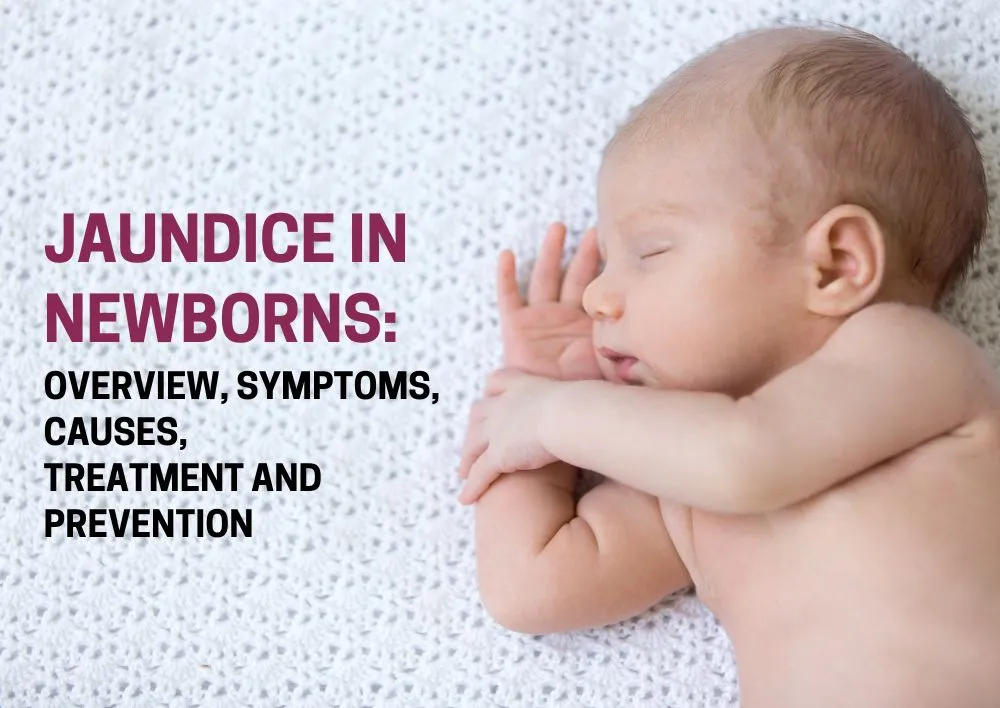
Newborn jaundice is a common condition in which a baby’s skin and the whites of the eyes appear yellow because of elevated bilirubin in the blood. It often develops during the first few days after birth as the baby's liver is still developing and learning to process bilirubin efficiently.
While mild jaundice is common and often resolves on its own, higher bilirubin levels may require medical evaluation and treatment. Timely assessment by a paediatrician or neonatologist can help identify babies who need closer monitoring or treatment.
If your newborn shows signs of jaundice, consult a neonatologist near you in Gurgaon at Miracles Healthcare for timely evaluation and appropriate care.
Neonatal jaundice can occur for several reasons. The common types include:
This is the most common type of newborn jaundice. It occurs because a baby's liver is not yet fully mature and may take time to process bilirubin efficiently.
This may occur when a newborn is not getting enough breast milk during the early days. Inadequate feeding can lead to dehydration and reduced elimination of bilirubin.
Some healthy breastfed babies develop jaundice that lasts longer than the usual early newborn period. The baby generally remains well, but prolonged jaundice should still be evaluated by a paediatrician.
Jaundice that appears very early, increases rapidly, or reaches unusually high levels may indicate an underlying medical condition. It requires prompt medical evaluation.
An increase in direct or conjugated bilirubin is not considered typical newborn jaundice and requires further investigation to identify the underlying cause.
The most noticeable sign of infant yellow jaundice is a yellowish colour of the skin or eyes.
Parents may notice:
Yellowing of the face and nose
Yellow skin spreading towards the chest, abdomen, arms or legs
Yellowing of the whites of the eyes
Poor or reduced feeding
Excessive sleepiness
Difficulty waking the baby for feeds
Reduced activity
Fewer wet diapers
Dark-coloured urine
Pale or unusually light-coloured stools
Jaundice appearing during the first 24 hours after birth needs prompt medical assessment. Parents should also seek medical attention if the baby becomes increasingly yellow, feeds poorly or is unusually difficult to wake.
Newborn jaundice can occur when the body produces more bilirubin than the baby's developing liver can process and remove.
Possible causes include:
Immature liver function
Normal breakdown of red blood cells after birth
Inadequate breastfeeding or feeding difficulties
Dehydration
Premature birth
Blood-group incompatibility between mother and baby
Increased breakdown of red blood cells
Bruising or cephalohematoma during birth
Certain infections
G6PD deficiency and other blood disorders
Liver or bile-flow problems
Certain metabolic or endocrine conditions
The causes of jaundice can vary from one baby to another, which is why medical assessment is important when bilirubin levels are elevated, or jaundice persists.
A paediatrician or neonatologist will assess the baby's skin and eyes along with feeding, birth history, gestational age, and other risk factors.
The bilirubin level may be checked using:
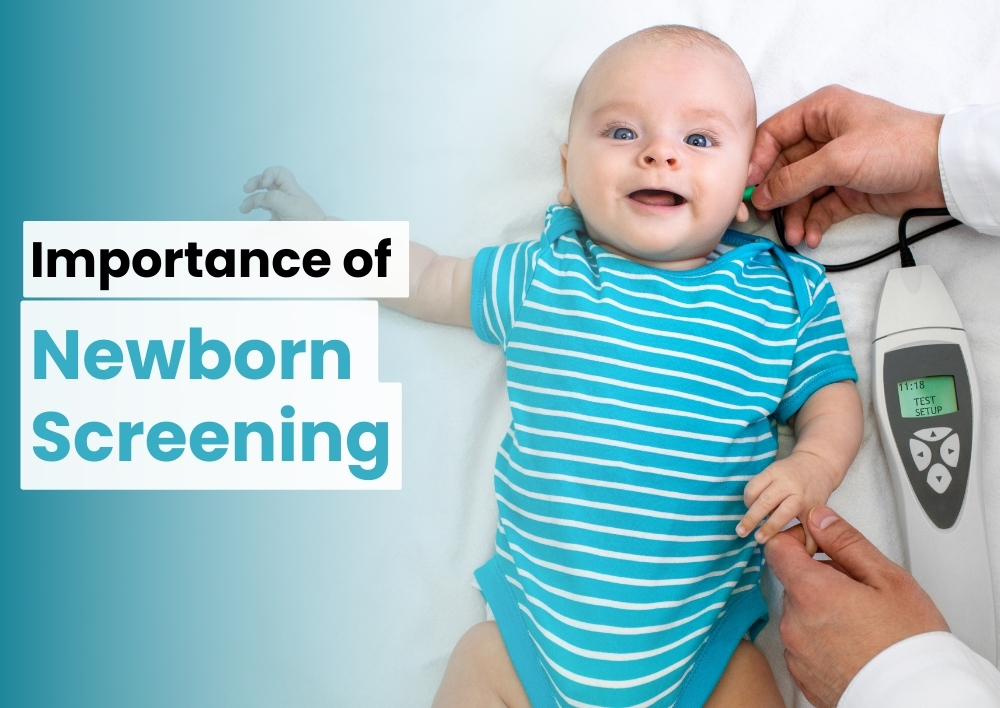
Transcutaneous Bilirubin Test: A non-invasive device is placed against the baby's skin to estimate the bilirubin level.
Total Serum Bilirubin Test: A blood test provides a more accurate measurement of bilirubin when further assessment is required. The baby's bilirubin level is interpreted based on factors such as the baby's age in hours, gestational age, and other risk factors.
If jaundice is severe, develops early, or persists, the doctor may recommend additional tests to identify conditions such as blood-group incompatibility, increased red blood cell breakdown, infection, or liver-related problems.
Treatment depends on the baby's bilirubin level, age, gestational age, and overall health.
Phototherapy: Phototherapy is one of the most commonly used treatments for significant newborn jaundice. The baby is placed under special medical lights that convert bilirubin into a form the body can eliminate. The duration of phototherapy depends on the bilirubin level and how the baby responds to treatment. Doctors may monitor bilirubin during and after treatment.
Feeding and Hydration Support: Adequate feeding is important for babies with jaundice. Regular feeding helps the baby stay hydrated and supports the elimination of bilirubin through urine and stools. If a baby is not feeding adequately or has significant weight loss or dehydration, the healthcare team may recommend additional feeding support.
Treatment of the Underlying Cause: If jaundice is caused by blood-group incompatibility, infection, excessive breakdown of red blood cells, or another medical condition, additional treatment may be necessary.
Exchange Transfusion: In severe cases where bilirubin levels remain dangerously high despite intensive treatment, an exchange transfusion may be required. This is performed in a specialised neonatal care setting.
Parents should not use direct sunlight as a substitute for medical phototherapy. If a newborn appears significantly jaundiced, medical assessment is the safest approach.
Certain babies have a higher risk of developing significant jaundice, including babies who:
Are born prematurely
Have difficulty breastfeeding or feeding
Have excessive weight loss
Have a sibling who previously required treatment for jaundice
Have blood-group incompatibility
Have conditions that increase red blood cell breakdown
Have significant bruising during delivery
Have G6PD deficiency
Develop jaundice very early after birth
Having a risk factor does not necessarily mean that a baby will develop severe jaundice. However, babies with these factors may require closer monitoring.
Not every case of newborn jaundice can be prevented. However, early monitoring and adequate feeding can help reduce complications.
Parents can support their baby's health by:
Ensuring regular and adequate feeding
Monitoring breastfeeding and feeding patterns
Keeping track of wet diapers
Attending scheduled newborn check-ups
Getting bilirubin levels checked when recommended
Following up after discharge as advised by the healthcare team
Seeking medical attention if jaundice becomes more pronounced
Following the paediatrician's recommendations if the baby has risk factors
Early detection allows doctors to determine whether the jaundice can be monitored or requires treatment.
Seek prompt medical attention if your newborn:
Develops jaundice within the first 24 hours
Becomes increasingly yellow
Is difficult to wake
Is not feeding properly
Has significantly fewer wet diapers
Has a high-pitched cry or unusual movements
Appears unusually floppy or stiff
Has dark urine
Has pale or white stools
Develops a fever or appears unwell
Looking for newborn jaundice treatment in Gurgaon? Consult the paediatric and neonatology doctors team at Miracles Healthcare for timely evaluation, bilirubin assessment, and appropriate treatment for your baby
Miracles Healthcare is the best neonatology hospital in Gurgaon, providing paediatric and neonatal care with access to a highly experienced team of paediatric doctors and neonatology specialists. The hospital offers evaluation and management of newborn conditions, including jaundice, with facilities for bilirubin assessment and phototherapy when clinically indicated.
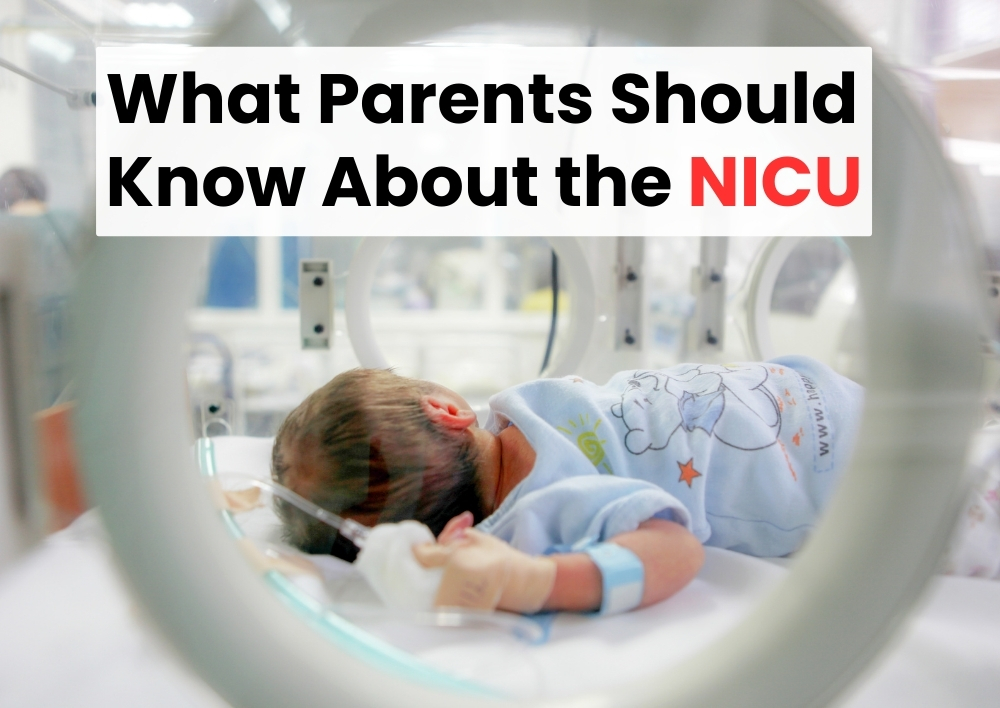
For babies requiring closer observation or specialized care, the hospital has a Level III NICU, providing advanced neonatal care and monitoring for newborns who need intensive medical support. The treatment plan is determined according to the baby's bilirubin level, age, gestational age, feeding status, and overall clinical condition.
If your newborn appears yellow, is feeding poorly, is unusually sleepy, or develops jaundice within the first 24 hours, consult a paediatrician or neonatologist near you at Miracles Healthcare promptly for timely evaluation and appropriate care.
Meet our expert team of neonatologists doctor where compassionate care meets expertise.



Neonatology , Paediatric
Inspiring Journeys: True Patient Stories

Thanks Mr. Nedrat Abdul for your grateful words fo...

Watch what one of our patient Mrs. Maria Amelin Ma...

Mr. Aadarsh Kumar - Patient Testimonial for Matern...

Our team at Miracles Healthcare takes extra care o...
Miracles Healthcare is a leading multispeciality hospital in Gurgaon. We are committed to providing comprehensive and high-quality medical care across all specialties under one roof.






Learn about the world class health care we provide
Source for Expert Advice and Health Tips