



Dental Conditions We Treat
Comprehensive Care for Your Health

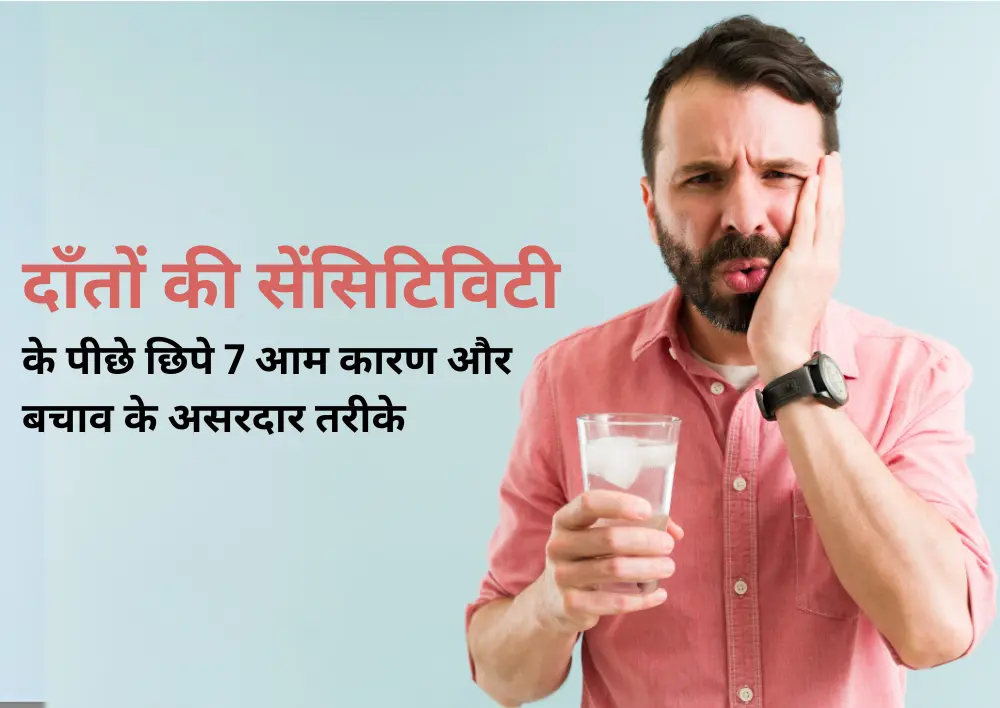
Tooth sensitivity (dentin hypersensitivity) is a prevalent dental problem. It can be experienced as a sharp, and short-lived sensation of discomfort caused by having hot/cold/sweet/acidic food or beverages. Although occasional tooth sensitivity may not be of concern, persistent tooth sensitivity should always be regarded as an indication of potential dental issues. Seeking treatment at the early stages helps limit damage and preserve your natural teeth.
Tooth sensitivity occurs when the protective enamel layer of your tooth wears down or the gums withdraw. This exposes the inner layer called dentin, which contains tiny tubules connected to the tooth nerve.
When exposed dentin reacts to temperature or certain foods, it starts a sharp pain sensation.
You may experience
Sudden sharp pain while eating or drinking hot or cold foods.
Discomfort when consuming sweets or acidic items.
Pain while brushing or flossing.
Sensitivity to cold air.
Temporary pain that goes away quickly.
If the pain is constant or severe, it may indicate a deeper dental issue that needs immediate evaluation.
Tooth sensitivity can develop due to many reasons, including
Worn-out tooth enamel.
Gum recession exposing tooth roots.
Cavities or tooth decay.
Cracked or chipped teeth.
Teeth grinding (bruxism)
Overuse of whitening products.
Aggressive brushing with a hard-bristled toothbrush.
Recently undergone dental procedures like cleaning or fillings.
Finding out the exact cause is important for effective treatment.
At Miracles Healthcare, our experienced dentists perform a thorough oral examination to find out the root cause of sensitivity.
Diagnosis may include
Clinical dental examination.
Checking for gum recession.
Determining enamel wear.
Dental X-rays if required.
Evaluation of brushing habits and oral hygiene.
Proper diagnosis ensures targeted and long-lasting treatment.
The type of treatment depends on what caused your teeth to feel sensitive or how badly they feel.
Desensitizing Toothpaste: This toothpaste blocks any pain that might reach a nerve, so you won't feel discomfort.
Fluoride Treatment: Professional fluoride treatment will strengthen the enamel of the tooth, which will help reduce sensitivity in the future.
Dental Bonding: This is applied to exposed root surfaces to protect dentin.
Gum Treatment: You may need to undergo gum/graft periodontal procedures if gum tissue has receded from your teeth.
Root Canal Treatment: In severe cases where nerve damage is present, root canal treatment may be necessary.
Mouthguards: Custom night guards help patients who grind their teeth.
Our goal is to relieve pain while preserving your natural teeth.
You may be at higher risk if you
Brush too hard.
Use a hard-bristled toothbrush.
Frequently consume acidic foods and drinks.
Have gum disease.
Suffer from teeth grinding.
Undergo frequent whitening treatments.
Have untreated cavities.
Understanding these risk factors helps in early prevention.
You can reduce the chances of developing tooth sensitivity by
Using a soft-bristled toothbrush.
Brushing gently twice daily.
Using fluoride toothpaste.
Limiting acidic foods and beverages.
Wearing a mouthguard if you grind the teeth.
Visiting your gurgaon dentist regularly.
Avoiding excessive whitening treatments.
Preventive dental care plays a very important role in maintaining long-term oral health.
If you are searching for the best hospital for tooth sensitivity treatment in Gurgaon, Miracles Healthcare is your trusted choice.
Team of highly experienced dentists.
Advanced diagnostic tools.
Personalized treatment plans.
Modern dental technology.
High standards of hygiene and patient care.
Comprehensive dental services under one roof.
Comprehensive Care for Your Health
Meet our expert team of dental doctors where compassionate care meets expertise.


Inspiring Journeys: True Patient Stories

Thanks Mr. Nedrat Abdul for your grateful words fo...

Watch what one of our patient Mrs. Maria Amelin Ma...

Mr. Aadarsh Kumar - Patient Testimonial for Matern...

Our team at Miracles Healthcare takes extra care o...
Miracles Healthcare is a leading multispeciality hospital in Gurgaon. We are committed to providing comprehensive and high-quality medical care across all specialties under one roof.






Learn about the world class health care we provide
Source for Expert Advice and Health Tips

Learn about the world class health care we provide
Use desensitizing toothpaste, brush gently with a soft brush, and visit a dentist for the treatment of the underlying causes of tooth sensitivity.
Use fluoride or desensitizing toothpaste, avoid acidic foods, brush gently, and seek professional dental care if needed.
It is usually caused by worn enamel, gum recession, cavities, cracked teeth, or teeth grinding that expose the inner dentin layer.
Mild sensitivity may improve with proper oral care, but persistent pain usually needs dental treatment.
No, sensitivity is not always a cavity; it can also be caused by enamel erosion, gum recession, or teeth grinding.
Occasional mild sensitivity is very common, but constant or severe pain can indicate decay, infection, or nerve issues.
Dentists may recommend fluoride, bonding agents, sealants, or gum treatments. In severe cases, they may perform root canal treatment.
Sudden sensitivity may occur because of a cracked tooth, a new cavity, gum inflammation, a recent dental cleaning, or enamel damage.
Hot or cold foods, sweets, acidic drinks, cold air, brushing, or pressure on exposed dentin can trigger pain.


