



Fertility Conditions We Treat
Comprehensive Care for Your Health

Egg quality refers to how healthy and genetically normal a woman’s eggs are. Even if ovulation is regular, poor egg quality can make it difficult to conceive or maintain a pregnancy. With the right medical guidance, lifestyle changes, and advanced fertility treatments, many women with poor egg quality can still achieve successful outcomes.
Poor egg quality means that the eggs released from the ovaries may not be healthy enough for fertilization. These eggs may have chromosomal abnormalities. They may also lack the strength required for proper embryo development. As a woman ages, especially after 35, egg quality naturally starts to decline. However, age is not the only factor. Younger women can also experience poor egg quality because of any medical or lifestyle reasons.
Healthy eggs are important for:
Successful fertilization
Proper embryo development
Implantation in the uterus
A healthy pregnancy
Poor egg quality usually does not cause visible or physical symptoms.
Many women feel completely healthy. In most cases, the problem is found only after repeated difficulty in getting pregnant.
Some signs that may be associated with poor egg quality include:
Difficulty conceiving despite regular, unprotected intercourse.
Taking longer than expected to get pregnant.
Repeated failure of IVF or other fertility treatments.
Poor embryo development is seen during IVF cycles.
Low-quality or slow-growing embryos.
Early pregnancy loss or recurrent miscarriages.
Low AMH levels on blood tests.
Abnormal ovarian reserve test results.
Poor response to ovarian stimulation during IVF.
Since symptoms are not always clear, a fertility evaluation is the most dedicated way to diagnose egg quality issues early.
If you are experiencing any of the mentioned signs, talk to a fertility specialist near you for diagnosis and treatment.
Several factors can affect egg quality, both medical and lifestyle-related.
Common causes include:
Increasing age, especially after 35 years
Hormonal imbalance
Polycystic Ovary Syndrome (PCOS)
Thyroid disorders
Autoimmune conditions
Genetic factors
Smoking or alcohol consumption
Poor diet and nutritional deficiencies
High stress levels
Obesity or being underweight
Exposure to toxins or environmental pollutants
Finding the actual cause helps doctors plan the most effective treatment approach.
Diagnosing poor egg quality involves a combination of medical history, fertility testing, and specialized evaluations. Usually, poor egg quality is suspected when a woman experiences difficulty conceiving despite regular attempts, repeated IVF failures, or recurrent miscarriages. However, these signs alone are not enough to confirm egg quality issues.
Fertility specialists use several tests to assess egg quality and ovarian reserve, including:
Hormone tests, including AMH (Anti-Müllerian Hormone), FSH (Follicle Stimulating Hormone), and estradiol, are used to assess ovarian reserve and evaluate the health of eggs
Antral follicle count (AFC): Ultrasound imaging counts the small follicles in the ovaries, providing insight into the number of eggs available.
Ovarian reserve tests: These tests help determine how many eggs are left and their potential quality.
IVF response evaluation: For women undergoing fertility treatments, egg quality is often assessed by observing the development and fertilization of eggs during IVF cycles.
It is important to note that while these tests provide useful information, they may not fully predict egg quality. A comprehensive fertility evaluation by an experienced fertility specialist is important for an accurate diagnosis and to design the most effective treatment plan.
Treatment for poor egg quality depends on many individual factors.These include a woman’s age, medical history, fertility test results, hormone levels, and overall reproductive goals. No single treatment is effective for everyone. However, a combination of medical care, lifestyle changes, and advanced fertility treatments can improve the chances of conception.
Common treatment approaches include:
Lifestyle modifications: Adopting a balanced diet rich in proteins, antioxidants, and necessary nutrients can support egg health.
Regular physical activity can help improve blood circulation and hormonal balance.
Stress reduction via yoga, meditation, or counseling is also important, as chronic stress can negatively affect egg quality.
Nutritional supplements: Specific supplements may be recommended to support egg health and cellular function. These supplements help to improve mitochondrial activity and reduce damage to egg cells. They are often prescribed depending on individual fertility assessments.
Hormonal regulation and ovulation-inducing medications: Hormonal treatments help regulate menstrual cycles and support proper ovulation. Ovulation-inducing medicines may improve the number of eggs released during each cycle.
Personalized IVF protocols: Customized IVF treatment plans are designed to optimize egg retrieval and improve embryo development. Medication doses and stimulation protocols are adjusted according to ovarian response.
Advanced IVF techniques: Modern IVF techniques help identify and choose the healthiest embryos. This can help increase the chances of successful implantation and pregnancy.
Antioxidant therapy: Antioxidants help reduce oxidative stress, which can damage egg cells. This therapy supports overall egg quality at a cellular level.
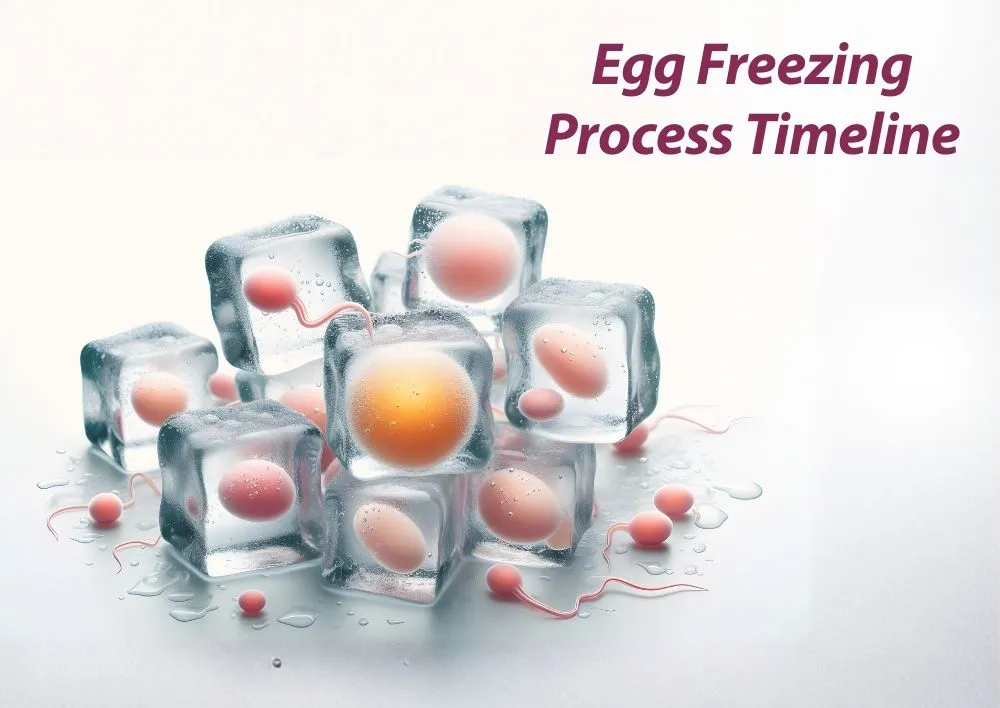
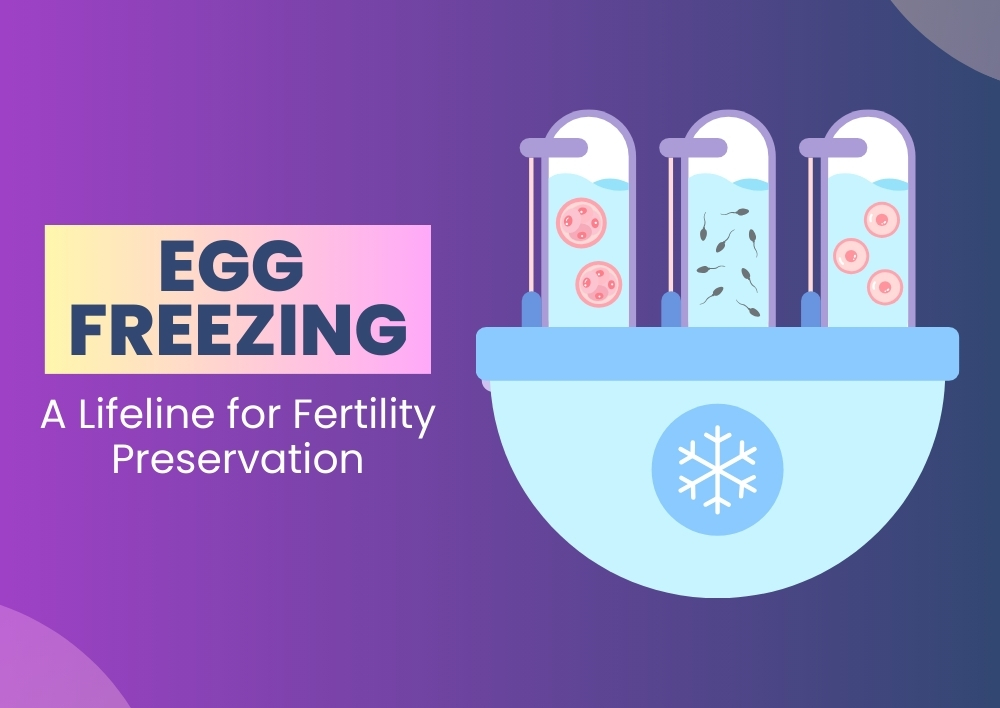
Fertility preservation options: In selected cases, egg freezing may be advised to preserve existing egg quality for future use. This option is especially helpful for women planning a pregnancy at a later stage.
Donor egg IVF: When egg quality is severely compromised, donor egg IVF may be recommended. This option offers high success rates and a strong chance of achieving pregnancy.
With the right medical guidance and access to advanced fertility treatments, many women with poor egg quality can still achieve successful and healthy pregnancy outcomes.
When it comes to treating poor egg quality, choosing a trusted fertility centre with experienced specialists and advanced treatments is important. Miracles Healthcare Gurgaon is one of the leading fertility hospitals in Gurgaon, offering a wide range of fertility treatments. We are well-known for our personalized fertility care and consistently help women move closer to their parenthood goals.
Expert Fertility Specialists: A highly experienced team of fertility specialists in Gurgaon, specializing in reproductive medicine and IVF.
Comprehensive Diagnosis: Advanced tests to evaluate egg quality, ovarian reserve, and overall fertility health.
Personalised Treatment Plans: Tailored strategies based on age, medical history, and fertility goals.
Advanced IVF Techniques: Use of the latest technologies for egg retrieval, embryo selection, and improved pregnancy outcomes.
Lifestyle & Nutritional Guidance: Supportive counselling and recommendations from experts to improve egg health naturally.
Fertility Preservation: Options like egg freezing for women looking to preserve fertility for the future.
High Success Rates: Proven track record of successful pregnancies even in difficult cases of poor egg quality.
Compassionate Care: Dedicated support throughout the fertility journey, from initial consultation to post-treatment follow-up.

Comprehensive Care for Your Health
Meet our expert team of Fertility Doctors where compassionate care meets expertise.

Inspiring Journeys: True Patient Stories

Thanks Mr. Nedrat Abdul for your grateful words fo...

Watch what one of our patient Mrs. Maria Amelin Ma...

Mr. Aadarsh Kumar - Patient Testimonial for Matern...

Our team at Miracles Healthcare takes extra care o...
Miracles Healthcare is a leading multispeciality hospital in Gurgaon. We are committed to providing comprehensive and high-quality medical care across all specialties under one roof.






Learn about the world class health care we provide
Source for Expert Advice and Health Tips



Learn about the world class health care we provide
Good egg quality is assessed through fertility tests like AMH levels, antral follicle count (AFC), and response to ovarian stimulation during IVF.
Leafy greens, berries, nuts, eggs, and fatty fish are known to support egg health and fertility.
Normal hormone levels (AMH, FSH), regular ovulation, healthy ovarian reserve, and successful embryo development indicate good egg quality.
Yes, egg quality significantly affects fertilization, embryo development, and successful pregnancy outcomes.
Significant improvement is unlikely in a month, but lifestyle and nutritional changes can support egg health over time.
Yes, but chances are lower; treatments like IVF, egg freezing, or donor eggs can improve outcomes.
Lifestyle changes, nutritional supplements, antioxidant therapy, and personalized IVF protocols can help optimize egg health.
Yes, ovulation can still occur, but the eggs may have chromosomal or developmental issues.
Factors include genetic issues, medical conditions (like PCOS or endometriosis), lifestyle habits, and environmental toxins.
Miracles Fertility & IVF Clinic has experienced specialists offering advanced treatments for poor egg quality in Gurgaon.


