


Gastroenterology Conditions We Treat
Comprehensive Care for Your Health

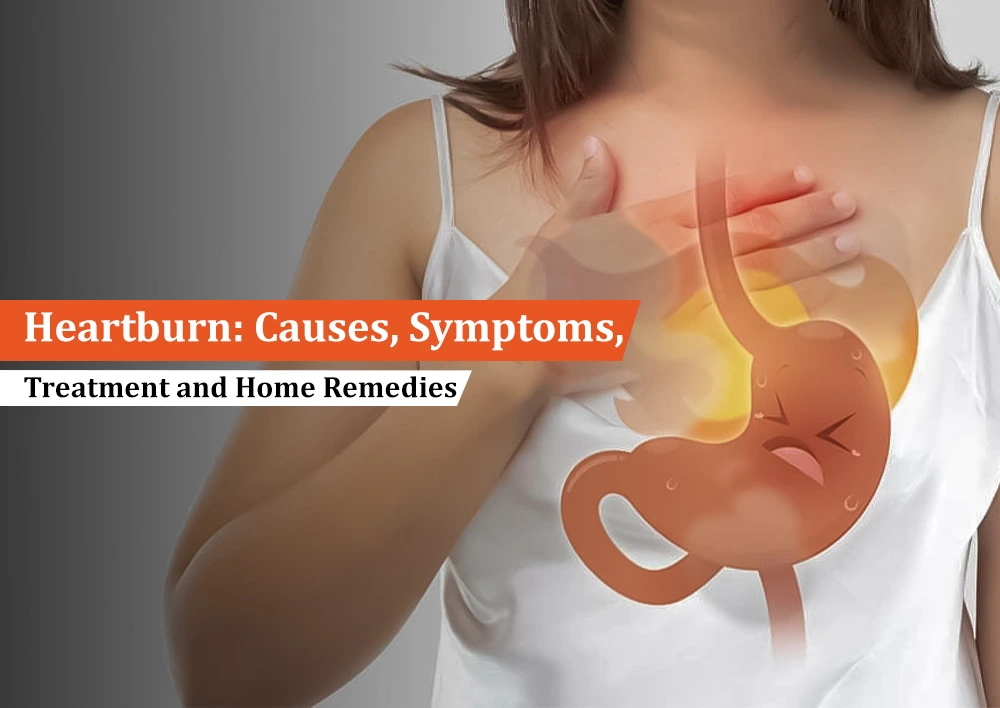
Burning in the chest, a sour taste in your mouth, and frequent heartburn all indicate a problem with your digestion, but these symptoms may mean you have GERD (Gastroesophageal Reflux Disease). GERD is a common gastrointestinal problem that affects people of all ages. If left untreated, the symptoms of GERD could cause you discomfort daily and reduce your quality of life.
Gastroesophageal Reflux Disease, commonly known as GERD. It is a chronic digestive health condition in which stomach acid repeatedly flows back into the esophagus. This backflow irritates the lining of the esophagus and leads to discomfort and other complications. Normally, a muscle called the lower esophageal sphincter (LES) prevents acid from moving upward. In GERD, this muscle becomes weak or relaxes abnormally, allowing acid reflux to occur frequently.
GERD symptoms can vary from mild to severe. Common signs include
Frequent heartburn, especially after meals or at night.
Acid regurgitation (sour or bitter taste in the mouth)
Chest pain or discomfort.
Difficulty in swallowing.
Feeling of a lump in the throat.
Chronic cough or throat irritation.
Hoarseness of voice.
Nausea or bloating after eating.
If these symptoms occur more than twice a week, medical attention is advised.
GERD develops due to many factors, including:
Weak or relaxed lower esophageal sphincter (LES)
Overeating or eating large meals.
Lying down immediately after meals.
Obesity or excess abdominal pressure.
Hiatal hernia.
Regular consumption of spicy, fried, or fatty foods.
Excess caffeine, alcohol, or smoking.
Certain medications.
Doctors diagnose GERD based on symptoms and, if required, advanced tests such as:
Upper GI endoscopy to examine the esophagus.
24-hour pH monitoring to measure acid levels.
Esophageal manometry to assess muscle function.
Barium swallow X-ray in selected cases.
Early diagnosis helps prevent complications such as esophagitis and ulcers.
GERD treatment depends on symptom severity as well as overall health. Options include
Eating smaller, more frequent meals.
Avoiding spicy, oily, and acidic foods.
Not lying down for at least 2 to 3 hours after every meal.
Elevating the head while sleeping.
Maintaining a healthy weight
Antacids for quick relief.
H2 blockers to reduce acid production.
Proton pump inhibitors (PPIs) for long-term control.
In severe or long-standing cases, endoscopic or surgical options may be recommended to strengthen the LES and prevent acid reflux.
Certain factors increase the risk of developing GERD
Obesity.
Pregnancy.
Smoking.
Sedentary lifestyle.
Stress and poor eating habits.
Long-term use of painkillers or specific medicines.
GERD can often be prevented with simple daily habits
Eat on time and avoid late-night meals.
Limit spicy, fried, and junk food.
Reduce tea, coffee, and carbonated drinks.
Quit smoking and limit alcohol.
Stay physically active.
Manage stress through yoga and relaxation techniques.
Miracles Healthcare is the premier hospital for GERD Treatment in Gurgaon, providing patients with total one-stop shopping for their care. Patients get an accurate diagnosis and long-term effective outcomes from their GERD through the experienced team of gastroenterologists in Gurgaon, state-of-the-art diagnostic facilities, and customized clinical management care. There are many different ways to treat GERD, including lifestyle changes, medications, and advanced endoscopic and surgical procedures; however, Miracle Healthcare providers are always working hard to ensure that patients have safe, easy, effective, and long-lasting outcomes.
Comprehensive Care for Your Health
Meet our expert team of Gastroenterology Doctors where compassionate care meets expertise.



Inspiring Journeys: True Patient Stories

Thanks Mr. Nedrat Abdul for your grateful words fo...

Watch what one of our patient Mrs. Maria Amelin Ma...

Mr. Aadarsh Kumar - Patient Testimonial for Matern...

Our team at Miracles Healthcare takes extra care o...
Miracles Healthcare is a leading multispeciality hospital in Gurgaon. We are committed to providing comprehensive and high-quality medical care across all specialties under one roof.






Learn about the world class health care we provide
Source for Expert Advice and Health Tips




Learn about the world class health care we provide
GERD can be relieved by eating smaller meals, avoiding trigger foods, not lying down after eating, managing weight, and taking prescribed medications.
GERD is generally caused by a weak or relaxed lower esophageal sphincter and lets stomach acid flow back into the food pipe.
Untreated GERD can cause esophageal inflammation, ulcers, narrowing of the food pipe, and long-term complications.
GERD may not be permanently cured in all cases; however, symptoms can be well controlled with treatment and lifestyle changes.
Oatmeal, bananas, whole-grain bread, eggs, and low-fat yogurt are generally safe breakfast options for GERD.
Yes, with lifestyle changes and proper treatment, most people with GERD can live a normal, and comfortable life.
Spicy foods, fried foods, chocolate, caffeine, citrus fruits, tomatoes, and carbonated drinks can cause GERD.
GERD is diagnosed depending on symptoms and may be confirmed through endoscopy, pH monitoring, or other tests advised by a gastroenterology doctor.
Yes, drinking water can help dilute stomach acid as well as reduce mild reflux symptoms.
Reflux is the backward flow of stomach acid, while heartburn is the burning sensation caused by that acid irritation.


