



Pediatric Conditions We Treat
Comprehensive Care for Your Health

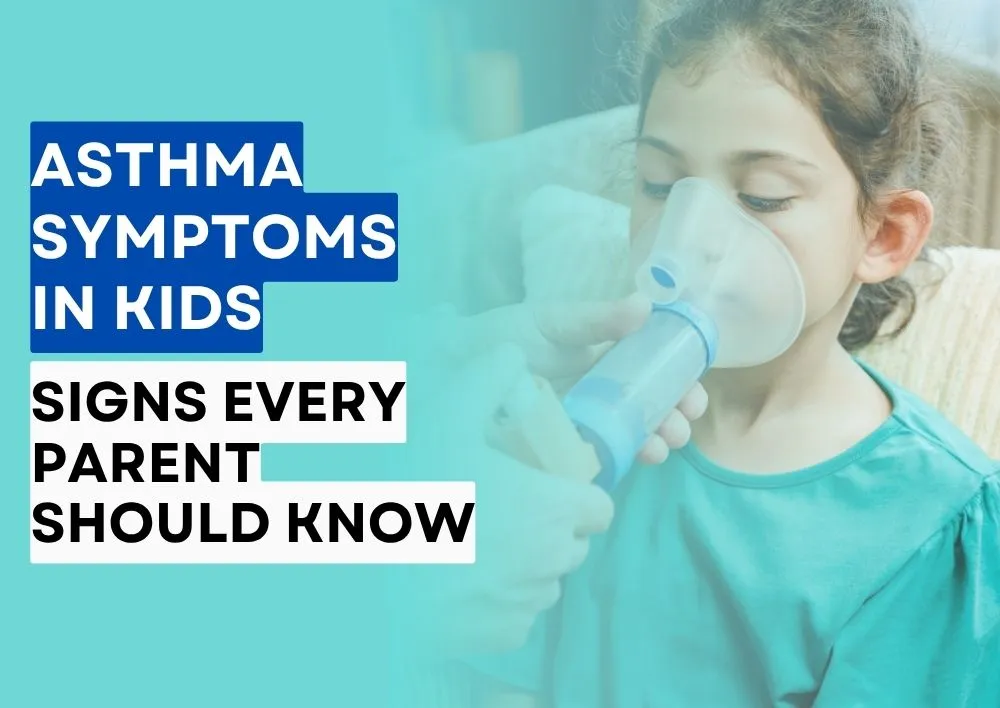
Childhood asthma is a common respiratory condition in which the airways become inflamed, sensitive, and narrowed, making it harder for a child to breathe. Symptoms can vary from child to child and may appear occasionally or occur more frequently.
Children with asthma may wheeze, cough, have shortness of breath, or feel chest tightness. Symptoms can become more noticeable at night, during physical activity, or when a child is exposed to specific triggers such as dust, pollution, allergens, or respiratory infections.
While asthma is a long-term condition, appropriate treatment and regular monitoring can help children control their symptoms and enjoy normal daily activities, including playing and participating in sports.
If your child has recurring breathing difficulties, wheezing, or coughing, Book a pediatrician consultation in Gurgaon at Miracles Healthcare for timely evaluation, personalised treatment, and ongoing asthma management.
Childhood asthma can present in different patterns depending on the child's symptoms and triggers. Common types or patterns of asthma in children include:
Allergic asthma: Triggered by allergens such as dust mites, pollen, mould, or pet dander.
Exercise-induced asthma: Breathing symptoms that occur during or after physical activity.
Virus-induced asthma: Asthma symptoms triggered or worsened by respiratory infections such as colds.
Cough-variant asthma: Persistent or recurring cough may be the primary symptom, without noticeable wheezing.
Mixed-trigger asthma: Symptoms may occur due to several triggers, including allergies, infections, exercise, pollution, or weather changes.
A child's asthma pattern may change with age, so regular medical evaluation is important.
The symptoms of asthma may be mild or severe and can occur occasionally or repeatedly.
Common symptoms include:
Persistent coughing
Coughing that becomes worse at night
Wheezing or whistling while breathing
Shortness of breath
Chest tightness or discomfort
Difficulty breathing during or after exercise
Reduced stamina during physical activity
Difficulty sleeping because of coughing or breathing problems
Recurrent breathing problems during respiratory infections
Some children may avoid running or playing because physical activity brings on coughing or breathing difficulty.
There is no single cause of childhood asthma. It can develop due to a combination of genetic, environmental, and immune-related factors.
Common contributors and triggers include:
Family history of asthma or allergies
Exposure to dust and dust mites
Pet dander
Mould
Tobacco smoke
Respiratory infections
Sudden changes in weather or temperature
Physical activity
Strong perfumes, odours, or chemical irritants
Identifying the specific triggers affecting your child can help in managing asthma more effectively.
Diagnosing childhood asthma involves a detailed evaluation of the child's symptoms, medical history, family history, and possible triggers.
The pediatrician may assess:
Frequency and severity of coughing or wheezing
Symptoms during sleep or physical activity
Previous respiratory infections
Exposure to allergens or pollution
Family history of asthma or allergies
Response to previous treatments
Depending on the child's age and symptoms, the doctor may recommend tests such as:
Physical examination
Lung function tests such as spirometry, when appropriate
Peak flow measurement in suitable children
Allergy evaluation
FeNO testing in selected cases
Blood tests or imaging when required to rule out other conditions
In younger children, diagnosis may rely more heavily on symptoms, clinical history, physical examination, and response to treatment because some lung function tests may not be suitable for their age.
The goal of childhood asthma treatment is to control symptoms, prevent flare-ups, maintain normal activity, and support healthy growth and development.
Treatment may include:
Depending on the child's condition, the pediatrician may prescribe controller medicines to reduce airway inflammation and/or reliever medicines to provide quick relief from asthma symptoms.
Identifying and avoiding the child's individual triggers can help reduce the frequency of asthma symptoms. This may involve limiting exposure to smoke, dust, allergens, pollution, or other irritants.
Parents may receive an individualised asthma action plan explaining the child's medicines, warning signs, possible triggers, and steps to take when symptoms worsen.
Asthma symptoms can change as children grow. Regular pediatric consultations help monitor asthma control and determine whether treatment needs to be adjusted.
Asthma medicines should only be started, stopped, or changed under the guidance of a qualified doctor.
Certain factors may increase a child's risk of developing asthma, including:
Family history of asthma
Recurrent wheezing
Frequent respiratory infections
Exposure to tobacco smoke
Exposure to air pollution
Sensitivity to common allergens
Exposure to indoor irritants
Certain environmental factors
Having one or more risk factors does not necessarily mean that a child will develop asthma. A pediatrician can assess the child's individual symptoms and risk profile.
Asthma cannot always be prevented, particularly when genetic factors are involved. However, parents can take several steps to reduce exposure to triggers and help keep symptoms under control.
Helpful measures include:
Keep your child's environment smoke-free.
Reduce exposure to dust and known allergens.
Keep indoor spaces clean and well-ventilated.
Address mould or dampness at home.
Follow the child's prescribed asthma treatment plan.
Keep regular pediatric appointments.
Encourage appropriate physical activity when asthma is well controlled.
Teach older children to recognise their early symptoms.
Keep the child's asthma action plan accessible at home and school.
Consult a pediatrician if symptoms become more frequent or severe.
Consult a child specialist near you if your child has:
Recurrent coughing, especially at night or early morning
Frequent wheezing or a whistling sound while breathing
Shortness of breath or chest tightness
Difficulty breathing during or after physical activity
Cough or breathing problems that repeatedly occur during colds
Symptoms that disturb sleep or affect school, play, or sports
Increasingly frequent or severe asthma symptoms
Frequent need for a prescribed reliever inhaler
For parents looking for childhood asthma treatment in Gurgaon, Miracles Healthcare is a trusted children’s hospital for pediatric consultation and comprehensive care for children with respiratory conditions, including asthma.
Since 2002, Miracles Healthcare has been providing specialised healthcare for children through a dedicated team of pediatricians and neonatologists. Pediatricians assess the child's symptoms, medical history, possible triggers, and overall health before developing an appropriate treatment and monitoring plan. Children can also benefit from diagnostic services and specialist support within a multispeciality healthcare setup.
Miracles Healthcare also has a Level 3 NICU for advanced neonatal care when required. Pediatric services are available at Sector 14, Sector 56, and Sector 82, Gurgaon, making consultations and follow-up care convenient for families across the city.
If your child has a recurrent cough, wheezing, breathing difficulty, or reduced tolerance for physical activity, don't ignore recurring symptoms. Early evaluation can help identify the cause and support better asthma control.
Book a pediatric consultation at Miracles Healthcare in Gurgaon for expert evaluation and personalised childhood asthma care.
Comprehensive Care for Your Health
Meet our expert team of Pediatric Doctors where compassionate care meets expertise.




Neonatology , Paediatric
_.webp)





Inspiring Journeys: True Patient Stories

Thanks Mr. Nedrat Abdul for your grateful words fo...

Watch what one of our patient Mrs. Maria Amelin Ma...

Mr. Aadarsh Kumar - Patient Testimonial for Matern...

Our team at Miracles Healthcare takes extra care o...
Miracles Healthcare is a leading multispeciality hospital in Gurgaon. We are committed to providing comprehensive and high-quality medical care across all specialties under one roof.






Learn about the world class health care we provide
Source for Expert Advice and Health Tips


Learn about the world class health care we provide
Treatment depends on the child's age, symptoms, severity, and triggers. It may include prescribed inhalers, trigger avoidance, and regular follow-up with a pediatrician.
Asthma does not currently have a guaranteed permanent cure, but appropriate treatment can control symptoms and help children lead active, healthy lives.
Common contributors and triggers include genetic factors, allergies, air pollution, tobacco smoke, and respiratory infections.
Miracles Healthcare has a team of child doctors in Gurgaon who use advanced techniques to diagnose and treat the root cause of the problem.
Some children may have fewer or no symptoms as they grow, while others may continue to have asthma into adulthood. Regular monitoring is important.
There is no single worst month for every child. Asthma symptoms may worsen during periods of high pollution, seasonal allergies, extreme temperatures, or respiratory infections, depending on individual triggers.


