


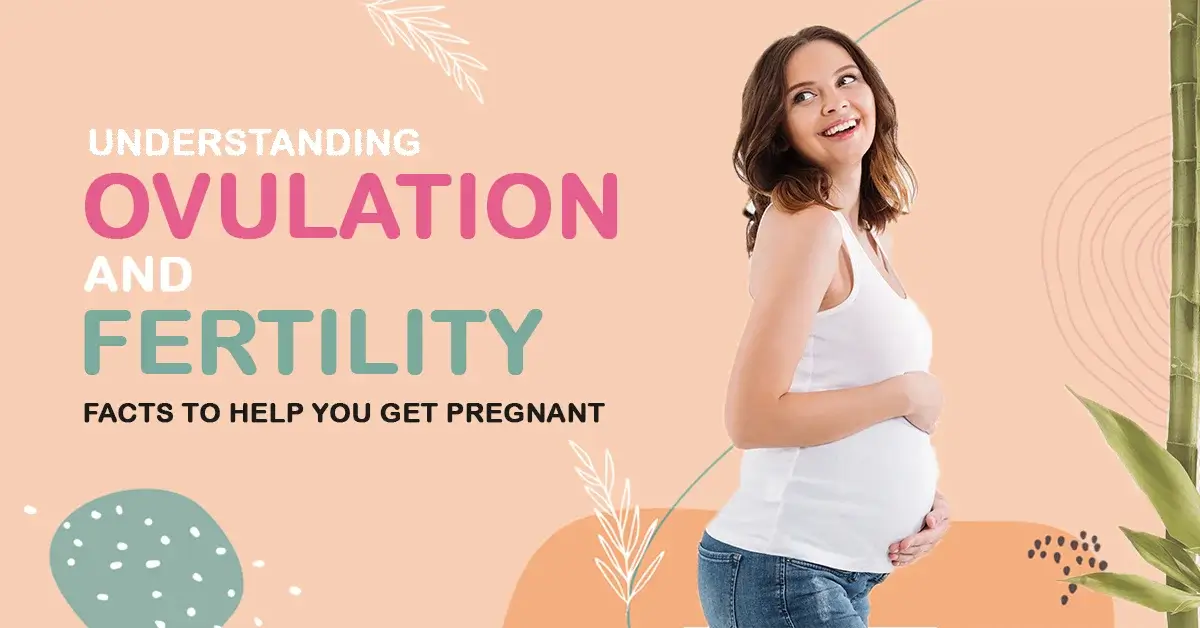
Ovulation and Fertility: Things to Know When Trying to Conceive

Summary
When you’re trying to conceive, understanding how your body works can make a big difference. Ovulation is the time in your menstrual cycle when an egg is released from the ovary, and this is the most fertile window for pregnancy. Knowing when you ovulate helps you time intercourse more effectively and increases your chances of conceiving.
Fertility is influenced by several factors, including age, hormonal balance, lifestyle, and overall reproductive health. Tracking your cycle, recognizing ovulation signs like changes in cervical mucus or mild pelvic pain, and maintaining a healthy routine can all support your journey to pregnancy. If you’ve been trying without success for a while, consulting a fertility specialist can help identify any underlying issues and guide you with the right treatment options.
The 'fertile window,' is determined by how long the menstrual cycle lasts, and has a lot to do with conceiving. If you are undergoing any female infertility treatment, below are some facts about ovulation and fertility that might help you bring the good news home!
Understanding Ovulation & Fertility: Improve Your Chances of Getting Pregnant?
1. Timing
If you have intercourse five days prior to ovulation or on the same day itself, your chances of getting pregnant is higher. The three days preceding and including ovulation are the most fertile and having intercourse during this period increases your chances of becoming pregnant. If you are unable to do so, it is best to consult the best IVF doctor in Gurgaon for other pregnancy options.
2. Knowing your ovulation date
Understanding the time of your ovulation might help you time your intercourse and increase your chances of becoming pregnant. Knowing one’s dates can help a gynecologist plan the right female infertility treatment for a woman with infertility issues.
3. Take account of your fertile days
When you engage in intercourse one to two days before ovulation, you have the highest chance of conceiving. To calculate it, start counting back 14 days from the start of your next period, if you have a 28-day cycle.
Read More: why do women face infertility 5 major causes explained
When Should You Consult an IVF Doctor in Gurgaon?
When you are planning to have a baby, knowing about ovulation and fertility in the menstrual cycle will help you increase your chances of getting pregnant. If you are having trouble conceiving, Miracles Health suggests you consult the IVF doctor in Gurgaon.
Conclusion:
You can make your planning around having a baby easier by knowing how your body responds naturally to the ovulation cycle, as well as taking proactive steps at the appropriate time. If you have trouble conceiving, working with an expert will give you additional options to help you get through this difficult time. Set up an appointment with a fertility specialist near you and Visit Miracles Fertility and IVF Clinic today to take the first step in making your dream of parenthood a reality.
Miracles Healthcare, Gurgaon is NABH accredited, one of the most trusted multispeciality hospitals. We offer advanced treatments, diagnostic services and surgical procedures in different specialities like Gynae, Obstetrics, fertility, general surgery, orthopedics etc. under one roof. Our team of highly experienced specialists, is committed to provide personalized care with the right diagnosis, and modern technology. Having centres in different locations across Gurgaon, patients can easily access us from areas including Sohna Road, Old Gurugram, Manesar, Rajiv Chowk, Palam, and other areas nearby. Call us: 0124-4797600 and Contact on WhatsApp: +91 9820965000 today to schedule your appointment, so that we can help you move forward in creating your family!
Get Direction to the Fertility Center: SCO 1,2, 3, Old Delhi Gurugram Rd, Sector 14, Gurugram, Haryana 122007
Written and Verified by:

Frequently Asked Questions
No, ovulation and fertility are not the same. Ovulation is the release of an egg, while fertility refers to the days when you have the highest chance of getting pregnant.
The chance of getting during your fertile window remains high, especially 1 to 2 days before ovulation and on the day of ovulation itself.
The first day you start bleeding is the start of your cycle. The day before your next period begins is the last day of your cycle.
The fertile window is the five days before and after an egg is discharged from the ovary, which is the beginning of the ovulation period.
If you do not become pregnant, your body reabsorbs the egg and the womb lining comes away, leaving your body as periods. It will generally occur after 10 to 16 days after an egg is released.


Was the information useful?
0 0