




Gynaecology Conditions We Treat
Comprehensive Care for Your Health

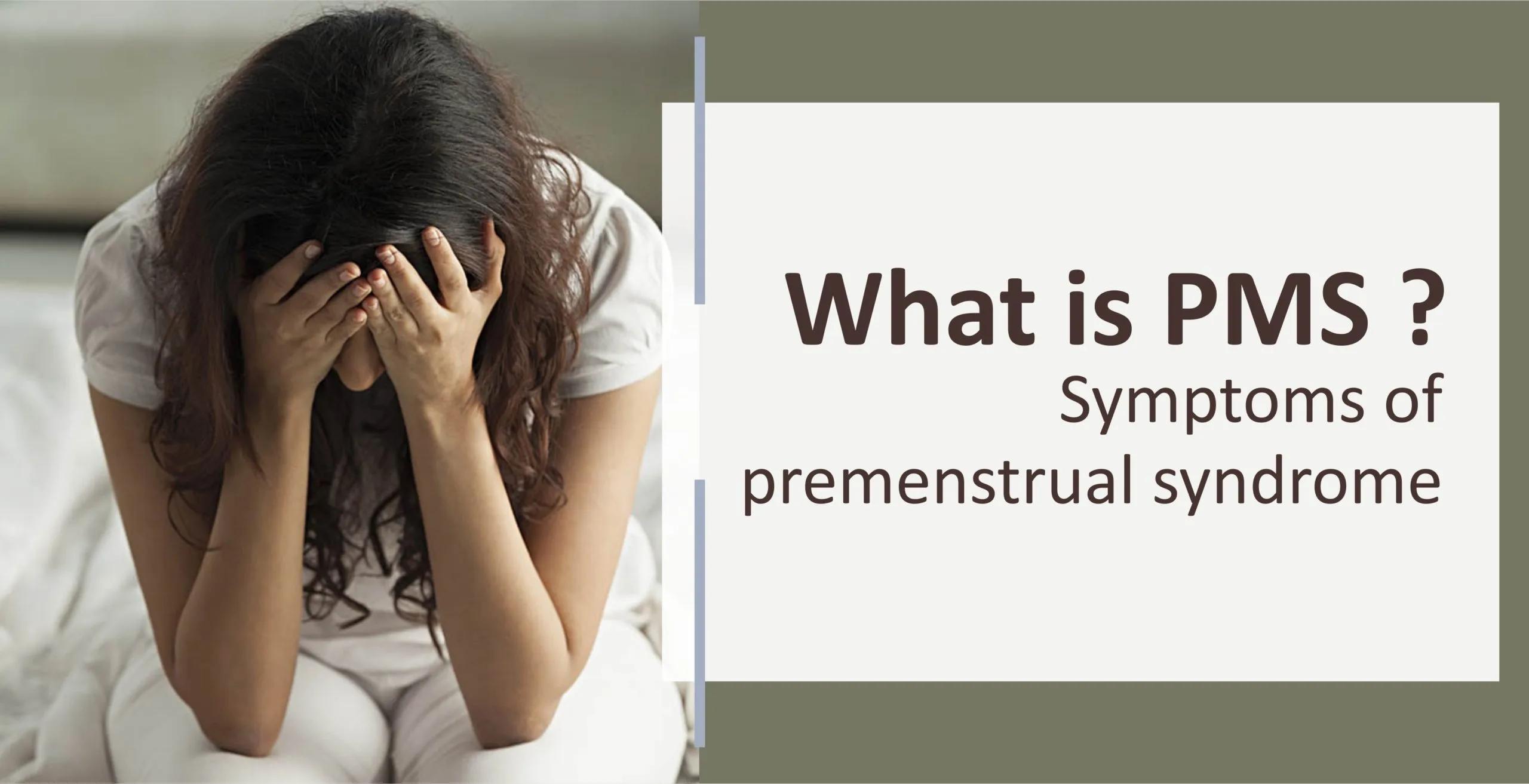
Premenstrual Syndrome (PMS) is the medical term used to describe various physiological and psychological symptoms in women that occur several days or weeks before menstruation. PMS can affect women differently, and symptoms may range from mild to severe. With the right evaluation and treatment, PMS symptoms can often be effectively managed.
Whereas occasional premenstrual distress is considered normal, severe or chronic symptoms can seriously impair the ability to work and lead an active social life and even cause disturbances during sleep. But proper evaluation and treatment can help you cope with the problem.
If you have been experiencing PMS symptoms for a long time, you find them hard to tolerate, or they interfere with your daily routine and activities, you should seek professional advice. Schedule an appointment with the best gynaecologist in Gurgaon at Miracles Healthcare to receive the proper treatment in time.
The most common symptoms of PMS disease are a combination of psychological and physiological complaints. They include
Bloating and abdominal distension
Tender breasts
Headaches
Aches in muscles and joints
Appetite disturbance
Skin eruptions
Constipation and diarrhea
Mood instability
Irritability and aggression
Anxiety and nervousness
Sadness or low mood
Difficulty concentrating
Sleep disturbances
Reduced interest in usual activities
Symptoms generally follow a recurring pattern around the menstrual cycle. Keeping a symptom diary can help identify this pattern.
The causes of Premenstrual Syndrome (PMS) are unknown, but several factors can lead to PMS symptoms
Hormonal imbalances: Fluctuations of oestrogen and progesterone hormones after ovulation can lead to PMS symptoms.
Stress: High levels of stress can make emotional and physical symptoms of PMS worse.
Lifestyle factors: Sleep problems, low levels of physical activity, and poor eating habits can cause more visible PMS symptoms.
Neurotransmitter imbalances: Fluctuations of hormones can affect neurotransmitters such as serotonin that affect emotions, eating, and sleeping patterns.
Hormonal sensitivity: Sometimes females become more sensitive to usual hormonal changes occurring during the menstrual cycle.
Nutritional factors: A special diet or a lack of certain nutrients can affect PMS symptoms.
Biological factors: Each woman's body responds differently to hormonal changes, which can affect the type and intensity of symptoms.
There is no particular blood test or scan that can diagnose PMS. It is mainly done based on the symptoms, when they occur, and their impact on your life.
A gynaecologist may
Ask about your menstrual cycle and the symptoms.
Examine when you start having symptoms and when they ease off.
Evaluate the severity and its impact on your life.
Advise you to keep a record of your menstrual cycle and its symptoms over multiple cycles.
Perform physical examination when needed.
Consider tests to rule out other conditions with similar symptoms.
Conditions such as thyroid problems, depression, anxiety, and other menstrual disorders can sometimes produce symptoms that resemble PMS.
Treatment depends on the type and severity of symptoms. Your gynaecologist may recommend one or a combination of approaches.
Lifestyle Changes: Regular physical activity, adequate sleep, stress management, and a balanced diet may help reduce PMS symptoms. Some women may benefit from reducing excessive caffeine, salt, and alcohol intake, particularly if these worsen their symptoms.
Medicines: Depending on your symptoms, a doctor may recommend medicines for pain, headaches, or other specific symptoms. In some cases, hormonal treatment or medicines that affect mood-related symptoms may be considered. Medicines should be taken only after discussing your symptoms and medical history with a qualified healthcare professional.
Hormonal Treatment: Hormonal contraceptives may help some women by regulating hormonal fluctuations and menstrual symptoms. Your gynaecologist can determine whether this is an appropriate option for you.
Treatment for Severe Symptoms: When premenstrual symptoms are severe and significantly affect daily functioning, the condition may need more specialised evaluation. Severe cyclical emotional symptoms may indicate Premenstrual Dysphoric Disorder (PMDD), which requires appropriate medical assessment and treatment.
PMS can affect women of reproductive age. Factors that may be associated with a higher likelihood or greater severity of symptoms include:
A history of mood-related symptoms
High levels of stress
Lack of regular physical activity
Poor sleep
Certain dietary patterns
Family history of PMS or related menstrual symptoms
Increased sensitivity to hormonal changes
Having one or more of these factors does not necessarily mean that a woman will develop severe PMS.
While PMS can never be entirely prevented. However, good lifestyle practices might prevent or minimize their occurrence.
Some of these are
Regular exercise
Balanced and healthy diet
Sleep well
Stress management through relaxation, yoga, and meditation
Avoiding alcohol and caffeine, which may induce symptoms
Proper hydration
Cycle and symptom tracking
Seeking advice from a gynecologist when symptoms affect you regularly
Evaluation at an early stage could help detect any other conditions related to menstruation or hormones.
Consult a gynaecologist if you experience:
Periods becoming very light or stopping after a uterine procedure
Persistent menstrual changes after miscarriage or childbirth
Difficulty conceiving
Miracles Healthcare is a trusted gynaecology hospital in Gurgaon, providing comprehensive women’s healthcare services since 2002. Our team of 50+ experienced female gynaecologists focuses on understanding each patient’s symptoms, menstrual history, and individual health needs to provide personalized care and appropriate treatment.
If PMS symptoms are recurring, becoming more severe, or affecting your daily life, you do not have to manage them alone. Consulting an experienced gynaecologist near you in Gurgaon can help identify the underlying cause, assess your symptoms, and guide you towards effective treatment and symptom management.
Book an appointment with the experienced gynecology team at Miracles Healthcare today and take the first step towards better menstrual health and improved quality of life.

Comprehensive Care for Your Health
Meet our expert team of Gynaecologist where compassionate care meets expertise.
_Dr_._Punita_Arora_.webp)
Gynaecology , Obstetrics and Gynaecology

Gynaecology , Obstetrics and Gynaecology

Gynaecology , Obstetrics and Gynaecology

Gynaecology , Obstetrics and Gynaecology

Gynaecology , Obstetrics and Gynaecology

Gynaecology , Obstetrics and Gynaecology

Gynaecology , Obstetrics and Gynaecology

Gynaecology , Obstetrics and Gynaecology

Gynaecology , Obstetrics and Gynaecology

Gynaecology , Obstetrics and Gynaecology

Gynaecology , Obstetrics and Gynaecology
Gynaecology , Obstetrics and Gynaecology

Gynaecology , Obstetrics and Gynaecology

Gynaecology , Obstetrics and Gynaecology
Gynaecology , Obstetrics and Gynaecology

Gynaecology , Obstetrics and Gynaecology

Gynaecology , Obstetrics and Gynaecology

Gynaecology , Obstetrics and Gynaecology

Gynaecology , Obstetrics and Gynaecology
Inspiring Journeys: True Patient Stories

Thanks Mr. Nedrat Abdul for your grateful words fo...

Watch what one of our patient Mrs. Maria Amelin Ma...

Mr. Aadarsh Kumar - Patient Testimonial for Matern...

Our team at Miracles Healthcare takes extra care o...
Miracles Healthcare is a leading multispeciality hospital in Gurgaon. We are committed to providing comprehensive and high-quality medical care across all specialties under one roof.






Learn about the world class health care we provide
Source for Expert Advice and Health Tips


Learn about the world class health care we provide
PMS often causes mild to moderate physical and emotional symptoms, while PMDD causes more severe mood and physical symptoms that significantly interfere with daily life.
PMS can become more noticeable during the late 20s to 40s, although symptoms vary from person to person and may change over time.
Yes. Sleep disturbances because of PMS include inability to sleep, restlessness while sleeping, and fatigue.
Symptoms of PMS generally become prominent in the 5 to 7 days before periods and generally go away after a few days of the start of your periods.
Your meals should be healthy and include whole grain products, fruits and vegetables, lean protein, and products high in calcium content. Excessive amounts of salt, caffeine, and junk food should be avoided if they make the symptoms worse.


