

7 Best Foods to Increase Fertility – Top Foods That Boost Fertility Naturally
Summary
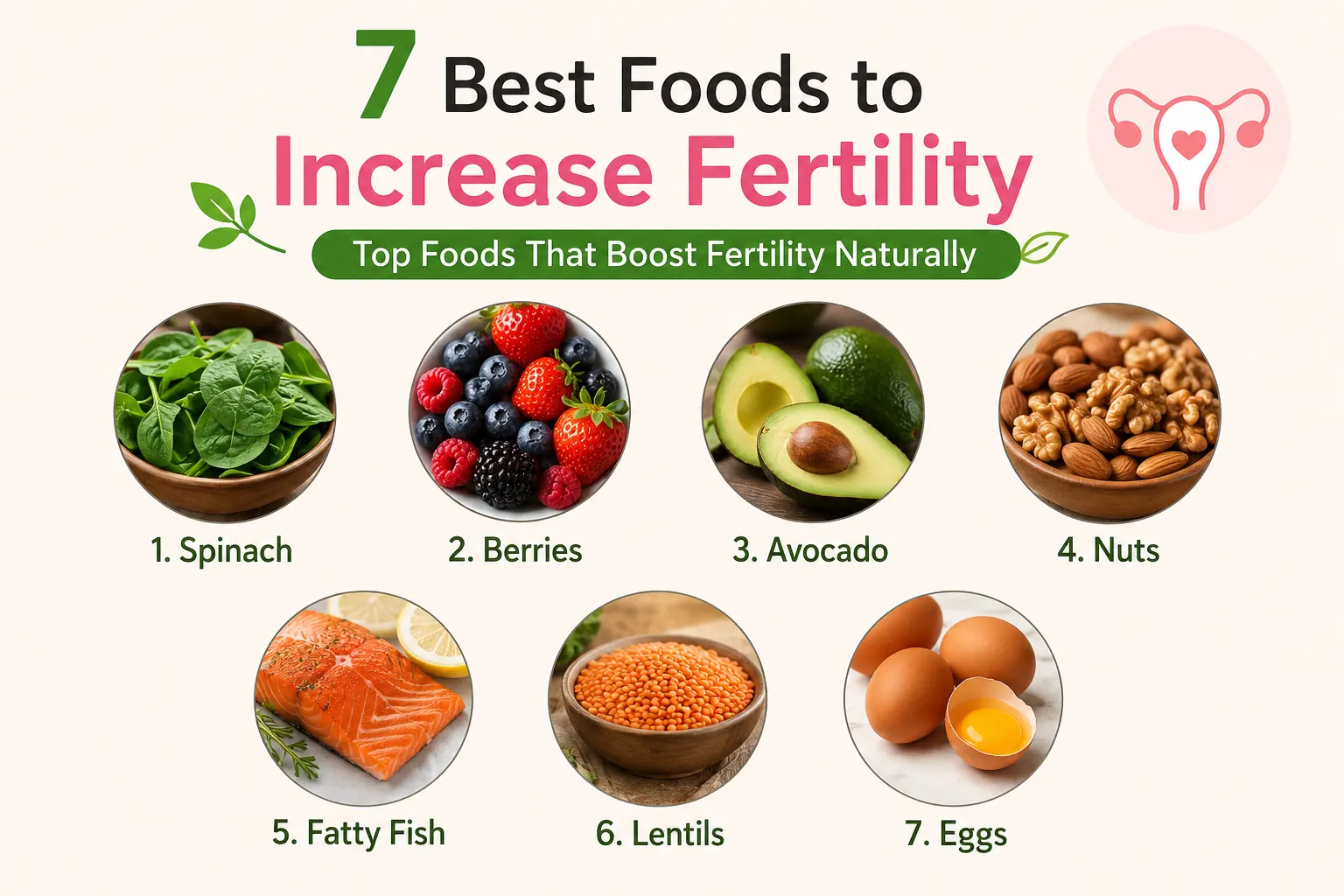
When you are trying to conceive, what you eat can have a significant impact on fertility, hormone balance, and egg quality. If you are looking for the 7 best foods to increase fertility, the right nutrition can support your chances of conception naturally and improve reproductive health.
Whether you are planning a pregnancy, preparing for IVF, or simply focusing on fertility wellness, research suggests that women who follow a fertility-friendly diet may have up to 40% higher chances of conception compared to those with poor dietary habits.
This article brings together evidence-based guidance on the best foods for fertility, what to eat, what to avoid, and how to improve egg quality for IVF – backed by expert advice from the specialists at Miracles Fertility and IVF Clinic, Gurugram.
Why Does Diet Matter for Fertility?
Fertility is not just about reproductive organs – it is deeply connected to your overall metabolic health, hormonal environment, and cellular function. Eggs (oocytes) take approximately 90 days to mature before ovulation. This means the nutritional choices you make today directly influence the quality of eggs that will be released three months from now.
Key ways diet influences fertility:
-
Hormonal balance: Certain nutrients regulate oestrogen, progesterone, and insulin – all critical for ovulation and implantation.
-
Egg quality: Antioxidants protect eggs from oxidative stress, which damages DNA and reduces fertilisation potential.
-
Uterine lining: Adequate iron, folate, and healthy fats support endometrial thickness and receptivity.
-
Ovarian reserve: Micronutrients such as CoQ10, zinc, and Vitamin D are directly linked to ovarian function.
-
Inflammation: A pro-inflammatory diet (high in refined sugars and trans fats) disrupts reproductive hormones and impairs implantation.
For women undergoing IVF, dietary quality in the months leading up to egg retrieval can influence fertilisation rates, embryo quality, and ultimately, the success of the transfer.
Who Should Pay Attention to a Fertility Diet?
The best fertility foods when trying to get pregnant are beneficial for virtually every woman in the reproductive age group – but they are particularly important for:
-
Women trying to conceive naturally for 6 months or more
-
Women diagnosed with PCOS (Polycystic Ovary Syndrome)
-
Women with unexplained infertility
-
Women preparing for IVF or IUI treatment
-
Women over 35 with declining egg quality
-
Women with thyroid disorders or insulin resistance affecting fertility
-
Underweight or overweight women where BMI is affecting ovulation
-
Women with endometriosis where inflammation plays a key role
The 7 Best Foods to Increase Fertility Naturally
Here are the 7 best foods to increase fertility, backed by nutritional science and recommended by reproductive specialists:
1. Leafy Green Vegetables – The Folate Powerhouse
Spinach, methi (fenugreek), sarson (mustard greens), kale, and broccoli are among the best foods for fertility in females because they are rich in:
-
Folate (Vitamin B9): Critical for DNA synthesis and cell division. Low folate is linked to ovulatory infertility and poor embryo development.
-
Iron: Supports healthy ovulation. Studies show that women with higher non-haem iron intake have significantly lower risk of ovulatory infertility.
-
Vitamin K and calcium: Support hormonal regulation and bone health during pregnancy preparation.
How to include: 2–3 servings daily. Add spinach to dal, eat palak paneer, make methi parathas, or blend greens into smoothies.
Fertility bonus: Folate from food (not just supplements) is more bioavailable and works synergistically with other plant nutrients.
2. Berries and Citrus Fruits – Antioxidant Shields for Your Eggs
Among the best fruits for fertility, berries – blueberries, strawberries, amla (Indian gooseberry), and pomegranate – stand out for their exceptionally high antioxidant content.
Why antioxidants matter for fertility:
-
Eggs are highly vulnerable to oxidative stress – free radical damage that impairs DNA integrity.
-
Antioxidants (Vitamin C, Vitamin E, flavonoids, and polyphenols) neutralise free radicals and protect oocyte quality.
-
A study in Fertility and Sterility found that women with higher antioxidant intake had significantly better embryo quality in IVF cycles.
Amla (Indian gooseberry) deserves special mention as one of the richest natural sources of Vitamin C and is widely available in India. It supports immune function, hormone regulation, and uterine health.
Pomegranate is particularly valued for improving uterine blood flow and endometrial thickness – both critical for successful implantation.
How to include: Fresh fruit as a snack, amla juice in the morning, pomegranate seeds in salads, or berries in yoghurt.
3. Whole Grains – Steady Blood Sugar, Balanced Hormones
Switching from refined grains (white rice, maida) to whole grains (brown rice, oats, ragi, jowar, whole wheat) is one of the most impactful dietary changes for women with PCOS or insulin resistance – two of the leading causes of female infertility.
How whole grains support fertility:
-
Low glycaemic index (GI): Prevents blood sugar spikes that drive excess insulin production, which in turn stimulates androgen production and disrupts ovulation.
-
B vitamins: Essential for oestrogen metabolism and energy production in cells.
-
Fibre: Supports liver detoxification of excess oestrogens, reducing oestrogen dominance.
A Harvard Nurses' Health Study found that women who consumed more high-fibre, low-GI carbohydrates had a 32% lower risk of ovulatory infertility compared to those consuming refined carbohydrates.
How to include: Oats for breakfast, ragi dosa, jowar roti, brown rice with meals, and whole wheat bread instead of white.
4. Fatty Fish and Omega-3 Rich Foods – Hormonal Harmony
Omega-3 fatty acids are among the most researched nutrients in reproductive medicine. For women who eat fish, sardines, salmon, and mackerel are excellent sources. For vegetarians, walnuts, flaxseeds (alsi), chia seeds, and hemp seeds are the best plant-based omega-3 options.
Omega-3s support fertility by:
-
Regulating prostaglandins: Hormone-like compounds that influence menstrual cycle regularity and uterine contractions during implantation.
-
Reducing inflammation: Particularly relevant for women with endometriosis or autoimmune-related fertility challenges.
-
Improving egg cell membrane fluidity: Making eggs more receptive to sperm and improving fertilisation rates.
-
Supporting foetal brain development from the earliest weeks of pregnancy.
Research published in Human Reproduction found that women with higher omega-3 blood levels had better embryo morphology and higher rates of blastocyst development in IVF cycles.
How to include: 2–3 servings of fatty fish per week (if non-vegetarian); 1 tablespoon of ground flaxseeds daily; a small handful of walnuts as a snack.
5. Lentils, Beans, and Legumes – Plant Protein for Ovulatory Health
The Nurses' Health Study II – one of the largest studies on diet and fertility – found a striking result: replacing animal protein with plant protein was associated with a significantly lower risk of ovulatory infertility.
Lentils (masoor dal, moong dal, chana dal), kidney beans (rajma), chickpeas, and soybeans are the best food for women's fertility from the protein category because:
-
Plant protein does not carry the inflammatory load associated with excess red meat consumption.
-
Lentils are rich in folate, iron, and zinc – three nutrients directly linked to egg health and ovulation.
-
Isoflavones in soy (in moderate amounts) may support oestrogen balance, though excessive soy should be avoided.
-
High iron content in legumes addresses the non-haem iron–ovulation link identified in multiple fertility studies.
How to include: Dal with every meal, rajma chawal, chole, sprouted moong salad, or hummus as a snack.
6. Full-Fat Dairy – A Surprising Fertility Ally
This one surprises many people. The same Harvard study found that full-fat dairy products – whole milk, full-fat yoghurt (dahi), paneer, and ghee in moderate amounts – were associated with a lower risk of ovulatory infertility, while low-fat dairy showed the opposite effect.
The mechanism is thought to involve fat-soluble reproductive hormones (including IGF-1 and oestrogens) that are removed during the fat-skimming process of low-fat dairy production, potentially creating a hormonal imbalance.
Fertility benefits of full-fat dairy:
-
Rich in Vitamin D, which is closely linked to ovarian reserve, follicle development, and IVF success rates.
-
Provides calcium essential for follicular fluid composition.
-
Contains saturated fats in moderate amounts that support hormone synthesis.
How to include: One glass of whole milk daily, a bowl of full-fat dahi, paneer in meals, and a small amount of pure desi ghee.
Note: Women with PCOS who are managing weight should discuss dairy intake with their nutritionist, as individual tolerance varies.
7. Nuts, Seeds, and CoQ10-Rich Foods – Egg Quality Boosters
This category deserves its own section when discussing how to improve egg quality for IVF. Almonds, walnuts, pumpkin seeds, sunflower seeds, and sesame seeds (til) are nutritional powerhouses for egg health.
Key nutrients in this group:
-
Vitamin E (almonds, sunflower seeds): A potent antioxidant that protects egg cell membranes from oxidative damage. Linked to better endometrial lining thickness.
-
Zinc (pumpkin seeds, sesame): Essential for cell division, DNA synthesis, and follicle development. Zinc deficiency is associated with poor egg quality and irregular ovulation.
-
Selenium (Brazil nuts): Protects eggs from free radical damage and supports thyroid function – critical for fertility.
-
CoQ10 (found naturally in small amounts in nuts and organ meats): A coenzyme that powers mitochondrial energy production in egg cells. Particularly important for women over 35 whose egg mitochondria become less efficient with age.
Research shows that CoQ10 supplementation (200–600 mg/day) in women undergoing IVF significantly improves egg quality and embryo development rates – a finding increasingly supported by reproductive endocrinologists.
How to include: A small handful of mixed nuts daily, pumpkin seeds sprinkled on salads, sesame (til) in chutneys and laddoos, and 1 tablespoon of sunflower seeds as a snack.
Foods to Avoid When Trying to Conceive
Just as important as what you eat is what you limit or eliminate. The following foods are known to negatively impact best foods for fertility outcomes:
-
Trans fats and hydrogenated oils: Found in packaged biscuits, namkeen, and fried fast food. Strongly linked to ovulatory infertility – even small amounts matter.
-
Refined sugar and high-GI foods: Drive insulin resistance, worsen PCOS, and disrupt ovulation.
-
Excess caffeine (more than 200 mg/day): Associated with reduced fertility and increased miscarriage risk.
-
Alcohol: Disrupts hormonal balance, impairs liver oestrogen metabolism, and reduces IVF success rates.
-
Processed and ultra-processed meats: High in preservatives and saturated fats that promote inflammation.
-
Artificial sweeteners: Emerging evidence suggests they may disrupt gut microbiome and hormonal signalling.
-
Excess soy in processed forms: Soy protein isolates in large quantities may interfere with oestrogen signalling (moderate whole soy is generally fine).
How to Improve Egg Quality for IVF – Dietary Strategy
If you are preparing for an IVF cycle, a targeted nutritional approach in the 3 months before egg retrieval can meaningfully improve outcomes. Here is a focused strategy:
3 Months Before Egg Retrieval:
-
Start a Mediterranean-style diet – high in vegetables, legumes, whole grains, olive oil, and moderate fish. Research links it to higher IVF success rates.
-
Begin CoQ10-rich foods and supplementation after discussing with your fertility specialist.
-
Ensure adequate Vitamin D levels – get tested and supplement if deficient (very common in India).
-
Optimise folate intake through leafy greens and a prenatal supplement with methylfolate.
1–2 Months Before Retrieval:
-
Eliminate trans fats and alcohol.
-
Increase antioxidant-rich foods – especially amla, berries, tomatoes, and coloured vegetables.
-
Maintain healthy hydration – aim for 2.5–3 litres of water daily to support follicular fluid quality.
During Stimulation:
-
Prioritise protein at every meal to support follicle development.
-
Avoid inflammatory foods and high-GI meals that spike insulin.
-
Include anti-inflammatory spices: turmeric (haldi), ginger (adrak), and cinnamon (dalchini).
Expert Tips from Miracles Fertility Specialists
-
Start 3–6 months early: Eggs mature over 90 days. Dietary changes made today affect the eggs that will be retrieved or ovulated three months from now. Do not wait until you are actively in a treatment cycle.
-
Think diet, not just supplements: Supplements fill gaps but cannot replace whole food nutrition. The synergy of nutrients in real food – fibre, phytonutrients, enzymes – is not replicable in a pill.
-
Test before you supplement: Get a full nutritional panel (Vitamin D, B12, iron studies, folate, zinc) before starting supplements. Excess supplementation of fat-soluble vitamins (A, D, E, K) can be harmful.
-
Both partners matter: Male fertility is equally diet-dependent. A diet rich in zinc, selenium, Vitamin C, and omega-3s significantly improves sperm quality. Fertility nutrition is a couple's journey.
-
Manage your weight: Both underweight (BMI below 18.5) and overweight (BMI above 25) affect ovulation and IVF response. A balanced fertility diet supports healthy weight naturally.
-
Prioritise gut health: A healthy gut microbiome influences oestrogen metabolism, inflammation levels, and even embryo implantation. Include probiotic-rich foods – dahi, kanji, and idli/dosa ferments – in your daily diet.
-
Cook in iron or cast-iron vessels: A simple Indian-kitchen hack that can meaningfully increase dietary iron intake, supporting ovulatory health.
Why Choose Miracles Healthcare for Fertility and IVF Care?
Nutrition is one piece of the fertility puzzle – but when diet alone is not enough, you need a team of specialists who combine clinical expertise with compassionate, personalised care.
Miracles Fertility and IVF Clinic, Sector 14, Gurugram – View Location is part of the trusted Miracles Healthcare network, which has supported over 7 lakh patients and 25,000+ successful deliveries since 2002.
What Miracles Offers for Fertility Patients:
-
In-house dieticians who create personalised fertility nutrition plans tailored to your diagnosis – PCOS, endometriosis, low ovarian reserve, or unexplained infertility
-
Advanced IVF laboratory with time-lapse embryo monitoring, PGT-A, and vitrification for optimal embryo quality
-
Holistic pre-conception programmes that integrate nutrition, lifestyle, and medical management
-
150+ specialist doctors across reproductive medicine, endocrinology, and allied health
-
NABH-accredited centres ensure the highest standards of clinical safety and quality
-
Dedicated patient coordinators who guide you through every stage of your fertility journey
Our Locations:
Miracles Apollo Cradle Hospital – Sector 14, Gurugram, SCO 1, 2 & 3, Delhi Rd, Sector 14, Gurugram, Haryana 122007 View Location
Miracles Mediclinic – Sector 14, Gurugram SCO 1, 2 & 3, Sector 14, Gurugram, Haryana 122007 View Location
Miracles Apollo Cradle/Spectra – Sector 82, Gurugram Plot No. 45, Vatika India Next, Sector 82, Gurugram, Haryana 122012 View Location
Call: 0124-4797600 | WhatsApp: 98209-65000
Written and Verified by:

Frequently Asked Questions
The 7 best foods to increase fertility are leafy greens, berries and citrus fruits, whole grains, omega-3-rich foods, legumes, full-fat dairy, and nuts and seeds. These nutrients support egg quality, ovulation, and hormone balance.
Focus on leafy greens, fruits, whole grains, legumes, full-fat dairy, flaxseeds, walnuts, and iron-rich foods. These foods support reproductive health and conception.
Amla, pomegranate, avocado, guava, ripe papaya, dates, and citrus fruits are among the best fertility-supporting fruits. They provide antioxidants and folate that help protect egg quality.
A healthy diet reduces oxidative stress, supports hormone balance, and provides nutrients needed for healthy egg development. Start dietary changes at least 3 months before IVF.
Studies suggest full-fat dairy may be associated with better ovulation than low-fat dairy. Foods like whole milk, dahi, and paneer provide important fertility-supporting nutrients.
Avoid trans fats, refined sugar, excess caffeine, alcohol, processed meats, and artificial sweeteners. These may negatively affect fertility and hormone health.
Eggs take about 90 days to mature, so dietary changes should be followed consistently for at least 3 months. Some benefits may appear within a few weeks.
Yes. A healthy diet can improve sperm count, motility, and quality. Fertility nutrition benefits both partners when trying to conceive.



Was the information useful?
0 0