



Hysterectomy Surgery Explained: Everything You Need to Know

Summary
Surgery is not just about performing a procedure; it is often a multi-faceted decision that affects patients psychologically/mentally/emotionally, etc. If your doctor has suggested hysterectomy surgery, you might be wondering what it really means for your body and your life.
Understanding the procedure can make this journey easier and help you feel more prepared.
What is a Hysterectomy?
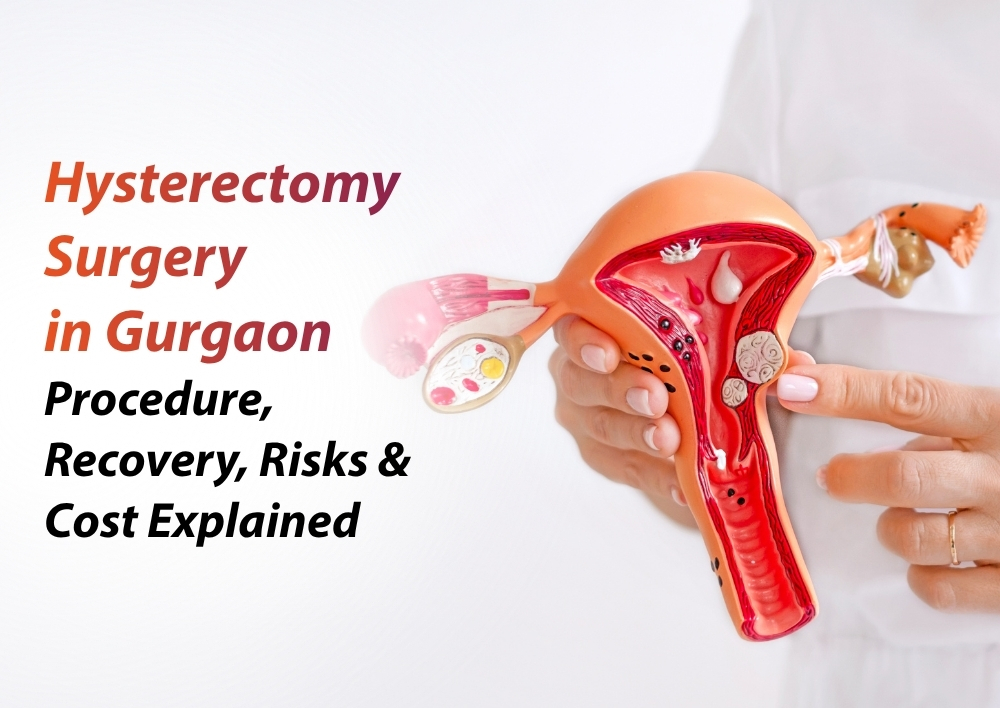
A hysterectomy is a surgical procedure to remove the uterus. After this procedure, you will no longer have menstrual periods or be able to become pregnant.
In some cases, the doctor may also remove the cervix, ovaries, or fallopian tubes, depending on your condition. Every treatment plan is tailored to your specific health needs.
According to Dr. Harpreet Kaur, senior gynecology doctor in Gurgaon at Miracles Healthcare, “Every woman’s condition is different, which is why the type of hysterectomy and surgical approach is carefully chosen after a detailed evaluation and discussion.”
With over 14 years of clinical practice, Dr. Harpreet Kaur is an experienced Gynaecologist with expertise in female's health, obstetric surgery, fertility treatment, and advanced laparoscopy. Her patient-first approach includes clear communication, individualized treatment, as well as helping women feel comfortable and supported during their patient care experience.
Why Do Women Need Hysterectomy Surgery?
When patients start having issues with their daily living due to their symptoms, or if other treatment methods fail, doctors suggest this procedure.
Common reasons include
-
Uterine fibroids cause heavy or prolonged bleeding.
-
Endometriosis leading to severe pain.
-
Uterine prolapse.
-
Cancer of the uterus, cervix, or ovaries.
This procedure generally helps many women reduce long-term discomfort and improve their overall quality of life.
Confused about your surgery or treatment plan? Get a trusted Second Opinion in Gurgaon | Call Now: 1244797600 | WhatsApp: +91 9820965000
Types of Hysterectomy Surgery
Not all hysterectomy procedures are the same. The type of surgery depends on your condition and overall health.
-
Total Hysterectomy involves taking out the fibroids and the cervix.
-
Partial Hysterectomy is where the fibroid has only been partially removed, leaving the cervix intact.
-
Radical Hysterectomy is only done for cancer patients. It involves removing the uterus, cervix, surrounding tissues, and part of the vagina.
Types Based on Surgical Approach
There are different surgical techniques employed to perform a hysterectomy.
-
Abdominal Hysterectomy: Performed through a cut in the lower abdomen. It is usually chosen for larger fibroids or cancer cases.
-
Vaginal Hysterectomy: The uterus is removed through the vagina. There are no visible scars, and recovery is generally faster.
-
Laparoscopic Hysterectomy: A laparoscopic hysterectomy is performed utilizing three small incisions and a camera, and provides:
-
Reduced Pain
-
Quicker Recovery
-
Minimal Scarring
-
What are Risks of Hysterectomy Surgery?
A hysterectomy, just like any other surgical procedure, entails certain risks. While most females recover without complications, it is important to be aware of possible complications
-
Infection
-
Heavy bleeding
-
Blood clots
-
Injury to the surrounding organs
-
Premature menopause
Hysterectomy Recovery Time and Process
Your recovery time varies according to the type of surgery and how much time your body requires to heal.
1. Physical Recovery:
Usually 1-3 days of Hospital Stay
2. Full recovery:
-
4 to 6 weeks after abdominal surgery.
-
2 to 4 weeks after laparoscopic or vaginal procedure.
2. Experience may vary. You may experience
-
Mild Pain and Discomfort
-
Tiredness
-
Light vaginal bleeding (spotting/bleeding may occur)
4. Emotional Changes
It is common to feel emotional changes during recovery. Hormonal shifts and the impact of surgery can affect your mood. Talking to your doctor or loved ones can help during this phase.
Tips for a Smooth Recovery After Hysterectomy
Healing takes time, and small steps can make a big difference.
-
Ensure you get plenty of rest and good sleep.
-
For the next several weeks, do not do heavy lifting.
-
Eating nutritious and balanced meals is very important.
-
Drink plenty of fluids.
-
You can return to light physical activity; you must first receive permission from your physician to do so.
-
You must follow all instructions given to you by your doctor.
-
You must seek medical help as soon as possible if you experience high fever, severe pain, or abnormal bleeding.
Conclusion:
A hysterectomy can help alleviate chronic pain and help improve your quality of life. With proper care and the right help, most women recover from surgery soon and return to normal activities. If you are experiencing severe bleeding, pelvic pain, or have been recommended for a hysterectomy surgery, meet an experienced gynaecologist in Gurgaon at Miracles Healthcare and discuss your options for advice and solutions.
Miracles Healthcare is a multispecialty hospital in Gurgaon. It provides an integrated patient service for consultation, diagnostic, surgical, and recovery care. The hospital is located centrally and is easily accessible from major intersections in the city, such as Huda City Centre, Iffco Chowk, Palam, Vatika India, Cyber City, and DLF, etc. providing patients and their families easy access to the hospital. The hospital has state-of-the-art medical facilities and a patient-oriented approach that results in a seamless and comfortable experience for patients at each step of their healthcare journey.
Written and Verified by:

Frequently Asked Questions
Common side effects include pain, fatigue, light bleeding, and hormonal changes.
Yes, it is a major surgery, but modern minimally invasive techniques make recovery faster and safer.
Periods stop permanently, and if ovaries are removed, menopause may start; many women feel relief from previous symptoms.
Once healing is complete and with proper diet and exercise, you can achieve a toned or flat abdomen.
Dr. Harpreet Kaur is a highly experienced gynaecologist known for advanced hysterectomy procedures as personalized patient care.






Was the information useful?
0 0