


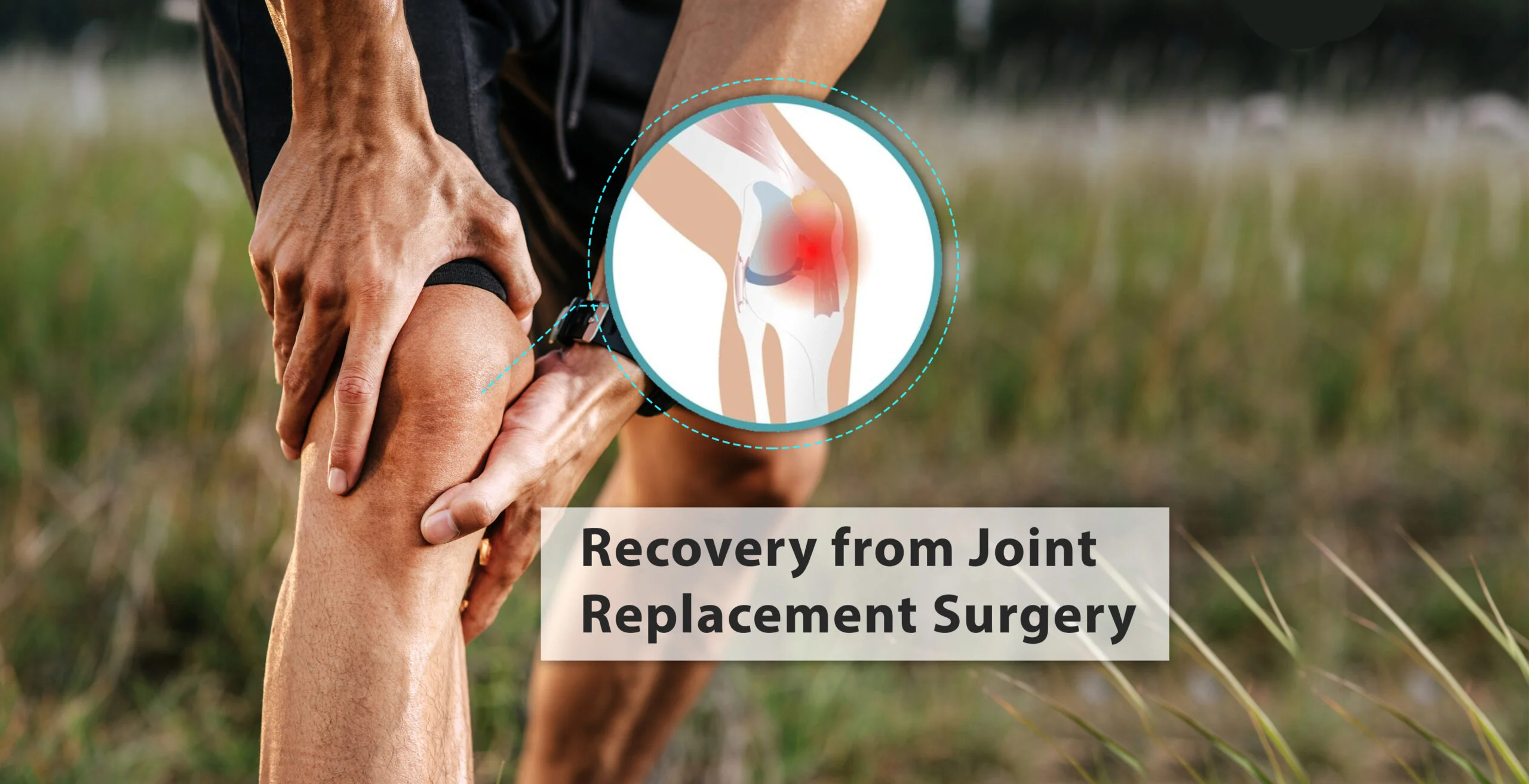
Recovery from Joint Replacement Surgery

Summary
After surgery for joint replacement, you may expect life to return?to the wayit was – but without the pain. In many ways, you are right. But it will take time.
What can I do to speed my early recovery?
A smooth recovery depends on how well you follow your doctor’s instructions. Being an active participant in the healing process can help you recover sooner and ensure a more successful outcome.
Wound care. If you have stitches or staples, they will be removed about 2 weeks after your surgery. Avoid getting the wound wet until it has thoroughly sealed and dried. You may continue to bandage the wound to prevent irritation from clothing or support stockings.
Swelling may occur up to one year after surgery. If you experience swelling, limiting your activities and elevating your limb can help.
Pain: While you should expect to feel discomfort after surgery, your doctor will provide options for controlling your pain and joint pain treatment in Gurgaon. Pain relief will help you start moving sooner, and get your strength back quicker.
Medications: Strictly follow your doctor’s instructions on all medications or supplements.
Rehabilitation: The stronger your effort with exercise therapy, the more success you will have with returning to activities you enjoy.
Diet: By the time you leave the hospital, you should be eating your normal diet.
Talk to your doctor about loss of appetite or constipation. He or she may recommend iron and vitamin supplements.
Some pain medicines?should not be mixed?with alcohol. Watch?your weight—the heavier you are, the more stress there will be on your new joint.
What should I do to regain strength?
Be sure to stay active once you’re home.
Weight bearing. If you have had a hip or knee replacement, you will most likely use crutches or a walker when you first leave the hospital. Your doctor or therapist will help you decide what assistive aides you will need. They will
tell you how much weight you can put on your leg, and when you can stop using crutches or a walker.
Activity. You should be able to resume most daily activities within a few weeks after your surgery. It is common to have some pain with activity and at night for several weeks.
Your activity program should include:
Walking. Start out walking inside and gradually build up your mobility and endurance. Then take it outside and continue your program.
Activities of daily living. These include normal household chores, as well as sitting, standing, and going up and down stairs.
Exercise. Specific exercises will help restore movement and strengthen the joint. You may have a physical therapist help you at home or in a therapy center for the first few weeks.
When can I return to my routine activities?
Recovery from joint replacement surgery is different for everyone.
Driving. You will probably be able to drive again within a few weeks, as long as you are no longer taking narcotic pain medication.
Sexual activity. Some form of sexual relations can be resumed when you feel comfortable and your doctor says it is safe.
Sleeping positions. Finding a position that is both comfortable and safe is important during the first weeks following your surgery. Talk to your doctor about what sleeping positions are best for the type of joint replacement you have. People with hip replacements, in particular, must take certain precautions with sleeping positions.
Return to work.How long before you return to work depends on the types of activities you do, the type of replacement you have, whether you are able to get to work, as well as the speed of your recovery.
Your doctor may allow you to go back to work sooner, but direct you to avoid tasks that may stress your new joint.
Airport metal detectors. Your new joint may activate security metal detectors. Be sure to arrive at the airport early to allow for extra time at the security check-in. Tell the screening agent about your artificial joint before going through the detector.
Sports and exercise. Once your doctor gives you the go-ahead, you can return to many of the fitness activities you enjoyed before your joint replacement. Remember, none of the activities below can substitute for your prescribed physical therapy exercises.
-
Walking
-
Swimming
-
Dancing
-
Golf
-
Cycling
Many sports put extra stress on your joint. Talk to your doctor about resuming activities such as:
-
Contact sports like football, soccer, and baseball
-
Tennis, squash, or racquetball
-
Jogging
-
Weight lifting
-
Skiing
-
Talk with your doctor about all the possible complications after joint replacement surgery.
Preventing infection. Infection is most frequently caused by bacteria that enter your bloodstream during dental procedures, urinary tract infections, or skin infections. Some patients with special circumstances may need to take antibiotics before dental work to help prevent infection. Your doctor will talk with you about whether you need to take preventive antibiotics.
Blood clot prevention. A blood clot may form in your calf or thigh. Your doctor may prescribe a blood thinner to prevent this. If a blood clot breaks free, it could travel to your lungs, which is a very serious condition.
Warning signs of infection
-
Persistent fever (higher than 100 degrees)
-
Shaking chills
-
Increasing redness, tenderness, or swelling of your wound
-
Drainage from your wound
-
Increasing pain with activity and rest
Warning signs of a blood clot
-
Pain in your leg or calf
-
Tenderness, redness above or below your knee
-
Swelling of your thigh, calf, ankle, or foot
Signs that a blood clot has travelled to your lungs
-
Shortness of breath
-
Chest pain, particularly with breathing
Notify your doctor immediately if you develop any of the above signs.
Why Choose Miracles Healthcare for Joint Replacement in Gurgaon?
Choosing the right hospital for joint replacement surgery is essential for a smooth recovery and long-lasting results. Miracles Healthcare is a trusted name in orthopedic care, offering advanced technology and experienced specialists under one roof.
-
Being a trusted multispeciality hospital, it is providing multispecialty services in Gurgaon under one roof since 2002
-
10+ experienced orthopedic surgeons specializing in knee, hip, and shoulder joint replacement surgeries
-
26,000+ surgeries successfully performed with a near-zero infection rate, reflecting our commitment to patient safety and clinical excellence
-
Advanced minimally invasive joint replacement techniques that help reduce pain, blood loss, and recovery time
-
Modern navigation-assisted technology for precise and accurate joint replacement procedures
-
Dedicated Orthopedic Operation Theatres (OTs) equipped with advanced infection control protocols
-
Comprehensive rehabilitation support with experienced physiotherapists and orthopedic specialists working together to improve post-surgery recovery
-
Conveniently located across Gurgaon with hospitals in Sector 14, Sector 56, and Sector 82, making expert orthopedic care easily accessible for patients from DLF Phases 1-5, Sohna Road, Golf Course Road, Palam Vihar, South City, Wazirabad, New Gurgaon, Dwarka Expressway, and nearby areas
Whether you are planning a knee replacement, hip replacement, or another joint replacement procedure, Miracles Healthcare is dedicated to helping you regain mobility and enjoy a more active, pain-free life.
Conclusion:
Recovering from joint replacement surgery takes time, but the results are often worth it. By following your doctor's advice, taking your medicines on time, doing your exercises, and staying active, you can heal faster and get back to your normal routine.
Some pain and swelling are common during recovery, but symptoms like severe pain, fever, redness around the wound, or shortness of breath should not be ignored. Contact your doctor immediately if you notice any of these warning signs.
With proper care and rehabilitation, most people can enjoy better movement, less pain, and a more active lifestyle after joint replacement surgery.
If you are planning a joint replacement or need expert guidance during your recovery, consult Dr. Sumit Anand Best orthopedist near you at Miracles Healthcare to ensure the best possible outcome.
Written and Verified by:

Dr. Sumit Anand Exp: 14
MBBS, MS(Orthopedic), FIJR( AIIMS, New Delhi)
Frequently Asked Questions
Most people can return to daily activities within 6 to 12 weeks, but complete healing and maximum improvement may take up to a year.
Yes, joint replacement is a major surgery, but advances in surgical techniques and rehabilitation have made recovery safer and faster.
Most joint replacements last 15 to 20 years or more, depending on the patient's age, activity level, and overall health.
Arthritis usually does not return in the replaced joint, although it can still affect other joints in the body.
A knee replacement can be revised if necessary. While many patients need only one surgery, some may require additional revision procedures.
Knee replacement is often considered one of the most challenging because it requires dedicated physiotherapy and regular exercises to regain strength and movement.






Was the information useful?
0 0