


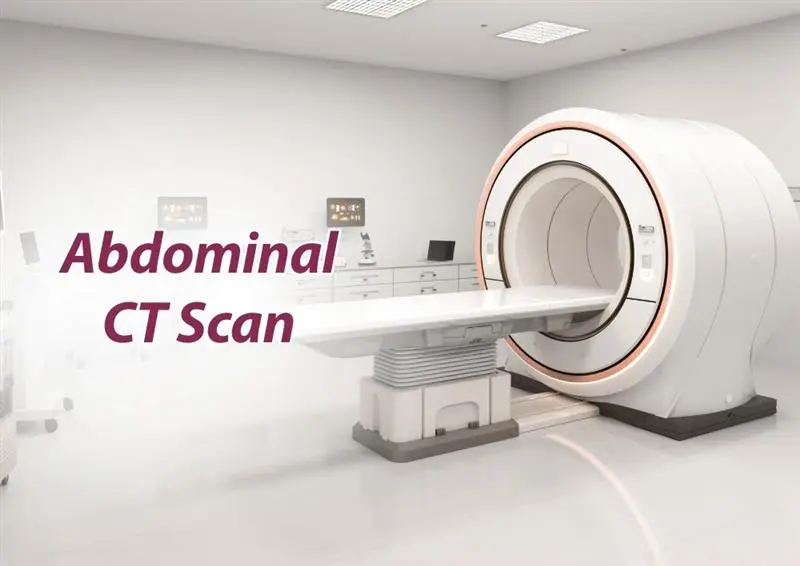
What Does an Abdominal CT Scan Show?

Summary
Overview
A sudden stomach ache, frequent bloating, or unexplained discomfort. Your body usually gives signals that something needs closer attention. A CT abdomen helps provide that clear picture from the inside. It is a quick, safe, and highly detailed imaging test that shows doctors exactly what is happening under the surface.
We will explore the problems an abdominal CT scan shows and how it helps in accurate diagnosis.
1. Liver Problems
A CT scan can show:
-
Liver enlargement
-
Liver tumors or cysts
-
Liver abscess
-
Cirrhosis-related changes
-
Internal injuries from accidents
A CT scan of the abdomen helps doctors detect liver diseases early and plan treatment accordingly.
2. Gallbladder and Bile Duct Issues
Gallbladder problems can cause severe pain and digestive discomfort. A CT scan shows:
-
Gallstones
-
Gallbladder inflammation
-
Blockage in the bile ducts
-
Tumors or cysts in the gallbladder
Dr. Ayushman Virmani, the senior radiologist in Gurgaon at Miracles Healthcare, emphasizes that a CT scan offers a much clearer and more detailed view of the gallbladder and bile ducts, especially when an ultrasound does not provide enough information. This helps in confirming the exact cause of abdominal pain and planning the right treatment.
This scan is especially helpful when ultrasound results are unclear.
3. Pancreas Abnormalities
Your pancreas is located deep inside the abdomen, making it challenging to evaluate with routine tests. A CT scan can reveal:
-
Pancreatitis
-
Pancreatic tumors
-
Injuries to the pancreas
-
Abscesses or fluid collection
Doctors often rely on CT imaging to diagnose and monitor pancreatitis accurately.
4. Kidney and Urinary Tract Conditions
An abdominal CT scan offers a detailed look at your kidneys, ureters, and bladder. It can detect:
-
Tumors or cysts
-
Urinary tract blockages
-
Kidney infections
-
Trauma or bleeding
It is one of the most reliable ways to diagnose kidney stones and their exact location.
5. Intestine and Digestive Tract Issues
The scan helps doctors identify several bowel-related conditions, such as:
-
Bowel obstruction
-
Diverticulitis
-
Intestinal tumors
-
Injury to the intestines
This makes CT scans extremely useful in emergency situations like sudden abdominal pain.
6. Blood Vessel Problems
A CT angiography can show:
-
Abdominal aortic aneurysm
-
Blood clots
-
Narrowing of blood vessels
-
Internal bleeding
Detecting these conditions early can be lifesaving.
7. Spleen Abnormalities
The spleen plays an important role in immunity. CT scans can detect:
-
Enlarged spleen
-
Injury from trauma
-
Cysts or tumors
-
Infections
8. Tumors and Cancers
A CT scan is one of the most effective tools to detect:
-
Benign tumors
-
Cancerous growths
-
Spread of cancer
-
Lymph node enlargement
It helps in accurate diagnosis, treatment planning, and monitoring progress.
Why Do Doctors Recommend an Abdominal CT Scan?
Your doctor may suggest ct scan abdomen if you experience:
-
Constant or severe abdominal pain
-
Unexplained vomiting
-
Sudden weight loss
-
Blood in urine
-
Jaundice
-
Chronic digestive issues
-
Injury to the abdomen
-
Fever with abdominal swelling
It helps doctors find answers quickly, especially when other tests don’t give clear results.
How to Prepare for an Abdominal CT Scan?
Abdominal CT Scan preparation is very simple:
-
Avoid eating for 4–6 hours before the scan.
-
Inform your doctor if you are pregnant, diabetic, or have allergies to contrast dye.
-
Remove metal items like belts, jewelry, or accessories before the test.
-
If contrast is used, you might need to drink a solution or get an injection.
What Happens During the CT Scan Procedure?
-
You will lie on a sliding table.
-
The table moves into the CT machine, which looks like a large ring.
-
You might be asked to hold your breath for a few seconds to avoid blurry images.
-
The scan usually takes 10–15 minutes and is completely painless.
-
Once the scan is done, you can go back to your regular routine right away.
Conclusion:
A CT scan of the abdomen is a powerful diagnostic tool that gives your doctor a clear and detailed view of what’s happening inside your body. It can detect issues in the liver, kidneys, gallbladder, pancreas, intestines, blood vessels, and more, making it an important test for accurate diagnosis and effective treatment.
If you are dealing with constant abdominal discomfort, don’t delay. Book your abdominal CT scan at a trusted centre near you for advanced imaging and expert medical care.
Written and Verified by:

Frequently Asked Questions
Small mucosal changes, very early-stage inflammation, and certain functional problems may not be visible on an abdominal CT scan.
It shows the liver, kidneys, gallbladder, pancreas, spleen, intestines, urinary bladder, blood vessels, and surrounding tissues.
Mild gastritis, small ulcers, and early mucosal changes are usually better detected through endoscopy rather than CT.
It can detect liver, pancreatic, kidney, stomach, intestinal, ovarian, and lymph node cancers, along with metastatic spread.
Miracles Mediclinic is a trusted CT scan centre in Gurgaon. It offers advanced CT imaging, accurate reporting, and expert radiologist support.







Was the information useful?
9 0