



Gastroenterology Conditions We Treat
Comprehensive Care for Your Health

Acid reflux occurs when stomach acid flows back into the food pipe (esophagus). Normally, a muscle called the lower esophageal sphincter acts like a valve. When this valve becomes weak or relaxes at the wrong time, acid moves upward, causing symptoms.
Frequent acid reflux is also known as GERD (Gastroesophageal Reflux Disease) and may require medical treatment.
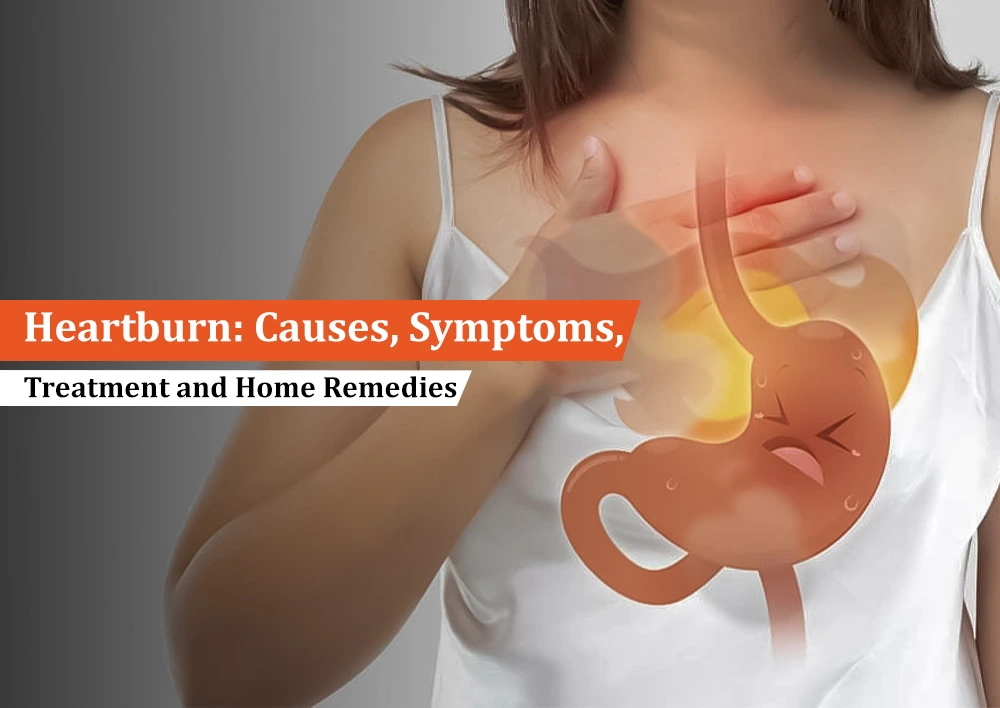
Acid reflux is a condition where stomach acid travels backward into the esophagus instead of staying in the stomach.
This can irritate the lining of the food pipe and cause
Burning sensation in the chest (heartburn)
Sour taste in the mouth.
Discomfort after meals.
Occasional reflux is normal, but frequent reflux needs medical attention.
Common symptoms include
Burning sensation in the chest (heartburn)
Sour or bitter taste in the mouth
Chest pain
Difficulty swallowing
A feeling of a lump in the throat
Chronic cough
Hoarseness in voice
Nausea
Warning sign: If symptoms happen more than twice a week, consult a gastroenterology specialist.
Acid reflux can occur because of many lifestyle, medical, and dietary factors.
A weakened lower esophageal sphincter (LES): It can also contribute to acid reflux. The LES is a ring of muscle that acts like a valve between the food pipe and stomach. Once it is weak or opens at an inappropriate time, it fails to prevent stomach acid from flowing back into the esophagus, resulting in symptoms of acid reflux.
Overeating: Consuming excessive amounts of food can also be the result of acid reflux through the mechanism of overeating and/or eating large quantities of food. This puts additional pressure on the stomach; thus, there is a greater probability that, due to the additional pressure from a large meal, stomach acid will move into the esophagus from the stomach.
Spicy, Oily, and Trigger Foods: Certain foods can increase acid production or relax the stomach valve, such as:
Spicy foods
Fried and oily foods
Citrus fruits
Chocolate
Caffeine
Carbonated drinks
These foods can trigger or worsen acid reflux symptoms.
Obesity or Excess Weight: Being overweight increases pressure on the abdomen. This pressure pushes the stomach contents upward, making acid reflux more likely.
Smoking and Alcohol Consumption: Smoking and alcohol weaken the lower esophageal sphincter muscle. They also increase acid production, which raises the risk of reflux and irritation.
Pregnancy: During pregnancy, the hormonal fluctuation can increase pressure and affect the functioning of the stomach valve. This makes acid reflux a very common problem among pregnant women, especially in the later stages.
Certain Medications
Some medicines can increase acid reflux risk or irritate the esophagus, such as:
Painkillers (NSAIDs)
Blood pressure medications.
Muscle relaxants.
Sedatives.
Always consult your gastro doctor near you if you notice reflux symptoms after starting any medication
Proper diagnosis is important to confirm acid reflux and rule out other digestive problems. Doctors use the following methods:
Medical history and physical evaluation: The doctor will ask you about your symptoms, eating routines, lifestyle, and medical history. This information can provide a better perspective on both the severity of your acid reflux and how frequently it occurs.
Endoscopy: Endoscopy is one of the most precise tests that can be used to identify and diagnose acid reflux. During this procedure, a narrow, flexible tube with a camera is placed through your mouth into your esophagus and stomach so that the doctor can visually evaluate them for inflammation, ulcers, and any other abnormalities.
pH monitoring test: This test is used to quantify the total amount of acid in your esophagus over a period of time, which is typically 24 hours. It assists in confirming how frequently acid reflux takes place and its severity.
Barium swallow X-ray: In this test, you are required to drink a barium solution that will coat your foodpipe so that X-ray pictures can be taken to inspect the shape of your foodpipe and determine any abnormalities, if present.
Early diagnosis will be important in order to start treatment as soon as possible; it may prevent complications such as GERD, ulceration, and damage to the esophagus.
Treatment depends on severity.
Eat small meals.
Avoid spicy and oily food.
Maintain healthy weight.
Avoid lying down after eating
Stop smoking.
Reduce alcohol.
Doctors may prescribe:
Antacids.
Acid blockers.
Proton pump inhibitors.
These reduce acid and provide relief.
In severe cases, surgery may be recommended to strengthen the valve.
You are more likely to develop acid reflux if you:
Are overweight
Eat unhealthy food regularly
Smoke
Drink alcohol frequently
Are pregnant
Have poor eating habits
Lie down immediately after meals
You can prevent acid reflux by following simple tips:
Eat on time
Avoid overeating
Maintain a healthy weight
Exercise regularly
Avoid trigger foods
Sleep with your head elevated
Reduce tea and coffee
A healthy lifestyle plays a major role.
Accurate diagnosis and skilled treatment of acid reflux allow for appropriate management of the condition and the prevention of complications in the future. Miracles Healthcare, a multispeciality hospital located in Gurgaon, provides individuals with comprehensive care for acid reflux and all types of digestive disorders. This hospital allows patients to have access to highly qualified gastroenterologists, the latest diagnostic techniques, including endoscopy, and individualized treatment plans. With the combination of cutting-edge technology and all aspects of digestive care being provided under one roof.
Comprehensive Care for Your Health
Meet our expert team of Gastroenterology Doctors where compassionate care meets expertise.



Inspiring Journeys: True Patient Stories

Thanks Mr. Nedrat Abdul for your grateful words fo...

Watch what one of our patient Mrs. Maria Amelin Ma...

Mr. Aadarsh Kumar - Patient Testimonial for Matern...

Our team at Miracles Healthcare takes extra care o...
Miracles Healthcare is a leading multispeciality hospital in Gurgaon. We are committed to providing comprehensive and high-quality medical care across all specialties under one roof.






Learn about the world class health care we provide
Source for Expert Advice and Health Tips





Learn about the world class health care we provide
Lifestyle changes like eating small meals, avoiding trigger foods, maintaining a healthy weight, and taking prescribed acid-reducing medicines can help stop acid reflux.
Acid reflux can be effectively controlled with lifestyle changes, medicines, and in severe cases, medical procedures or surgery.
Burning in the chest, stomach pain, nausea, bloating, throat irritation, and acid regurgitation.
Drinking water can help dilute stomach acid, and reduce irritation. However, it provides temporary relief.
Common triggers are overeating, obesity, smoking, alcohol, spicy food, stress, and lying down after meals.
Common signs of acid reflux are heartburn, sour taste in the mouth, chest discomfort, bloating, as well as difficulty swallowing.
Antacids, drinking water, eating bland foods, and avoiding spicy or oily meals can help neutralize stomach acid.
Spicy foods, fried items, citrus fruits, chocolate, caffeine, carbonated drinks, and fatty foods are the most common triggers.
Acid reflux is a condition in which acid moves upward, while heartburn is the burning sensation caused by that reflux.
Miracles Healthcare is one of the best hospitals in Gurgaon. It has a team of expert gastroenterologists who provide personalized treatment for acid reflux.


