


Gastroenterology Conditions We Treat
Comprehensive Care for Your Health

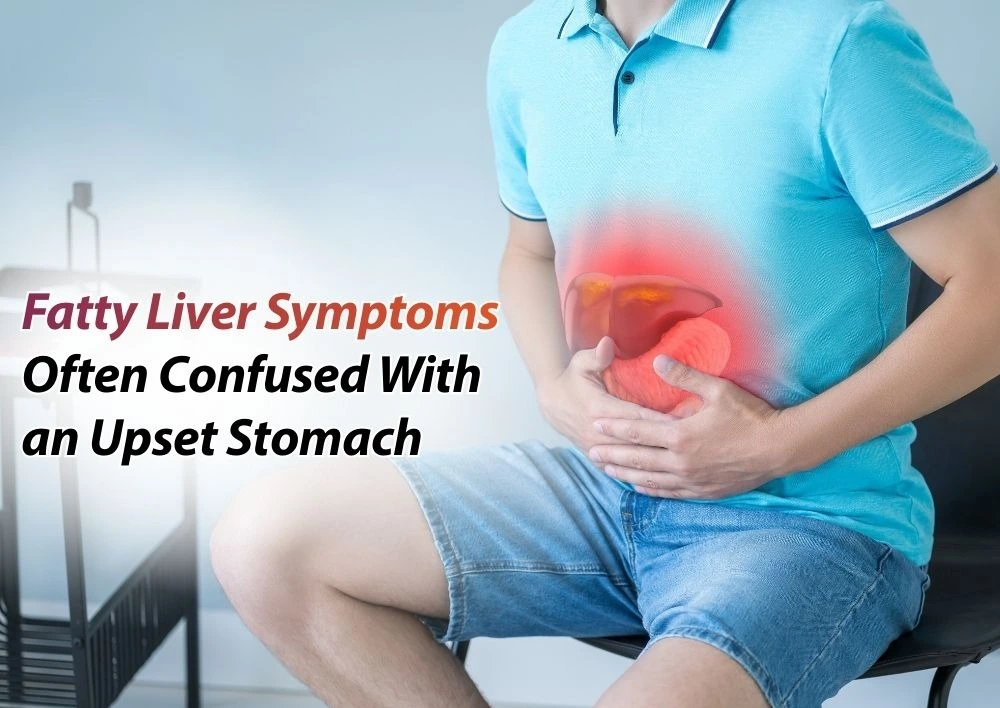
Fatty liver is becoming one of the most common lifestyle-related health problems today. It usually develops silently and may not show symptoms in the early stages. However, if ignored, fatty liver can cause serious liver damage. Getting diagnosed early and receiving proper treatment from an expert could help to reverse the effects of fatty liver disease and maintain a healthy liver.
Fatty liver (hepatocellular steatosis) is a medical condition, defined by the accumulation of too much fat in the liver, when in normal circumstances there would be very little. But when fat makes up more than 5–10% of the liver weight, it becomes fatty liver disease.
Fatty liver generally shows no symptoms in the early stages. As the condition progresses, you may experience
Constant tiredness.
Pain or discomfort in the upper right abdomen.
Weakness.
Unexplained weight loss.
Loss of appetite.
Swelling in the abdomen (in advanced stages)
Yellowing of skin and eyes.
Many patients discover fatty liver during routine health checkups.
Fatty liver develops because of fat accumulation in liver cells. Common causes include:
Obesity.
Diabetes.
High cholesterol.
High triglycerides
Excess alcohol consumption
Poor diet (junk food, sugary drinks)
Lack of physical activity.
Rapid weight loss.
Certain medications.
Lifestyle plays a major role in fatty liver development.
Fatty Liver disease is commonly detected when a patient goes for a regular clinical examination because many patients do not have symptoms at an early stage of the disease. The doctor will complete a physical examination, along with many advanced laboratory tests, to make the diagnosis of Fatty Liver Disease and to determine the severity of the disease.
Your doctor will inquire about symptoms associated with Fatty Liver Disease, including fatigue, weakness, and discomfort in your abdomen.
Your doctor will also evaluate your past medical history (medical conditions such as diabetes, obesity, elevated cholesterol, etc.), lifestyle activities, history of alcohol, and other medications that you may be taking to determine if you are at increased risk for developing Fatty Liver Disease.
In addition to those factors, they will usually assess your current body weight, calculate your Body Mass Index (BMI), and palpate the abdomen to see if there are indications of liver enlargement.
Liver health can be evaluated through blood tests, including
Liver function tests (LFTs): Used to assess liver enzymes like ALT and AST.
Cholesterol and triglyceride levels: Used to evaluate fat levels in the blood.
Blood sugar tests: Assess for diabetes or insulin resistance.
If the liver enzymes are elevated, it may signal liver damage or inflammation.
Imaging procedures can go a long way in helping visualize the liver and provide information on whether there is fatty accumulation in the liver. Some tests include:
Ultrasound: Generally the first and most commonly used test for fatty liver which provides a painless way to identify fatty liver.
CT scan: Provides detailed cross-sectional images of the liver.
MRI scan: Provides very precise images of the liver; allows for measuring the amount of fat within the liver accurately.
Imaging methods can assist in confirming if there is fat present in the liver.
FibroScan is an advanced, non-invasive test that measures
Liver stiffness.
Amount of fat in the liver.
It helps find out if the condition has progressed to fibrosis or liver cirrhosis
In some cases, a liver biopsy may be recommended. In this procedure:
A small sample of liver tissue is taken.
It is examined under a microscope.
This helps confirm the diagnosis and determine the exact stage of liver damage.
There is no single medicine to cure fatty liver, but it can be reversed with proper treatment and lifestyle changes.
Weight loss
Regular exercise
Healthy diet
Avoid alcohol
Control diabetes and cholesterol
Medicines to control cholesterol
Diabetes management
Liver-protective medications
Eat fruits and vegetables
Whole grains
Avoid oily and processed food
Reduce sugar intake
Most patients improve significantly with proper care.
You may be at higher risk of fatty liver, if you have
Obesity
Diabetes
High cholesterol
High blood pressure
Sedentary lifestyle
Poor eating habits
Age above 40 years
Even young adults are now developing fatty liver due to lifestyle changes.
Fatty liver is preventable with simple steps:
Maintain a healthy weight
Exercise regularly
Eat a balanced diet
Avoid alcohol
Control blood sugar
Regular health checkups
Early prevention protects liver health.
Miracles Healthcare is one of the best hospitals for fatty liver treatment in Gurgaon, offering complete liver evaluation with advanced diagnostic facilities as well as modern technology. The experienced team of gastroenterologists in Gurgaon provides personalized treatment plans, lifestyle guidance, and preventive care to help manage and reverse fatty liver effectively while ensuring long-term liver health.
Comprehensive Care for Your Health
Meet our expert team of Gastroenterology Doctors where compassionate care meets expertise.



Inspiring Journeys: True Patient Stories

Thanks Mr. Nedrat Abdul for your grateful words fo...

Watch what one of our patient Mrs. Maria Amelin Ma...

Mr. Aadarsh Kumar - Patient Testimonial for Matern...

Our team at Miracles Healthcare takes extra care o...
Miracles Healthcare is a leading multispeciality hospital in Gurgaon. We are committed to providing comprehensive and high-quality medical care across all specialties under one roof.






Learn about the world class health care we provide
Source for Expert Advice and Health Tips


Learn about the world class health care we provide
The main cause is excess fat buildup because of obesity, diabetes, high cholesterol, an unhealthy diet, and lack of physical activity.
Yes, in advanced stages fatty liver can cause nausea and occasional vomiting because of liver inflammation.
There is no single specific medicine; doctors may prescribe Vitamin E, liver-protective drugs, and medicines to control cholesterol and diabetes.
Pain usually occurs in the upper right side of the abdomen, where the liver is located.
Early signs include fatigue, loss of appetite, nausea, yellowing of skin (jaundice), and abdominal discomfort.
Amlodipine rarely causes fatty liver; it is generally safe, but liver function should be monitored if used long-term.
Early signs include fatigue, weakness, and mild discomfort or heaviness in the upper right abdomen.
Vitamin E, Vitamin D, and Omega-3 fatty acids are helpful in improving liver health.
Fatty liver usually does not cause smelly urine, but severe liver disease may cause dark-colored urine.


