




General Surgery Conditions We Treat
Comprehensive Care for Your Health

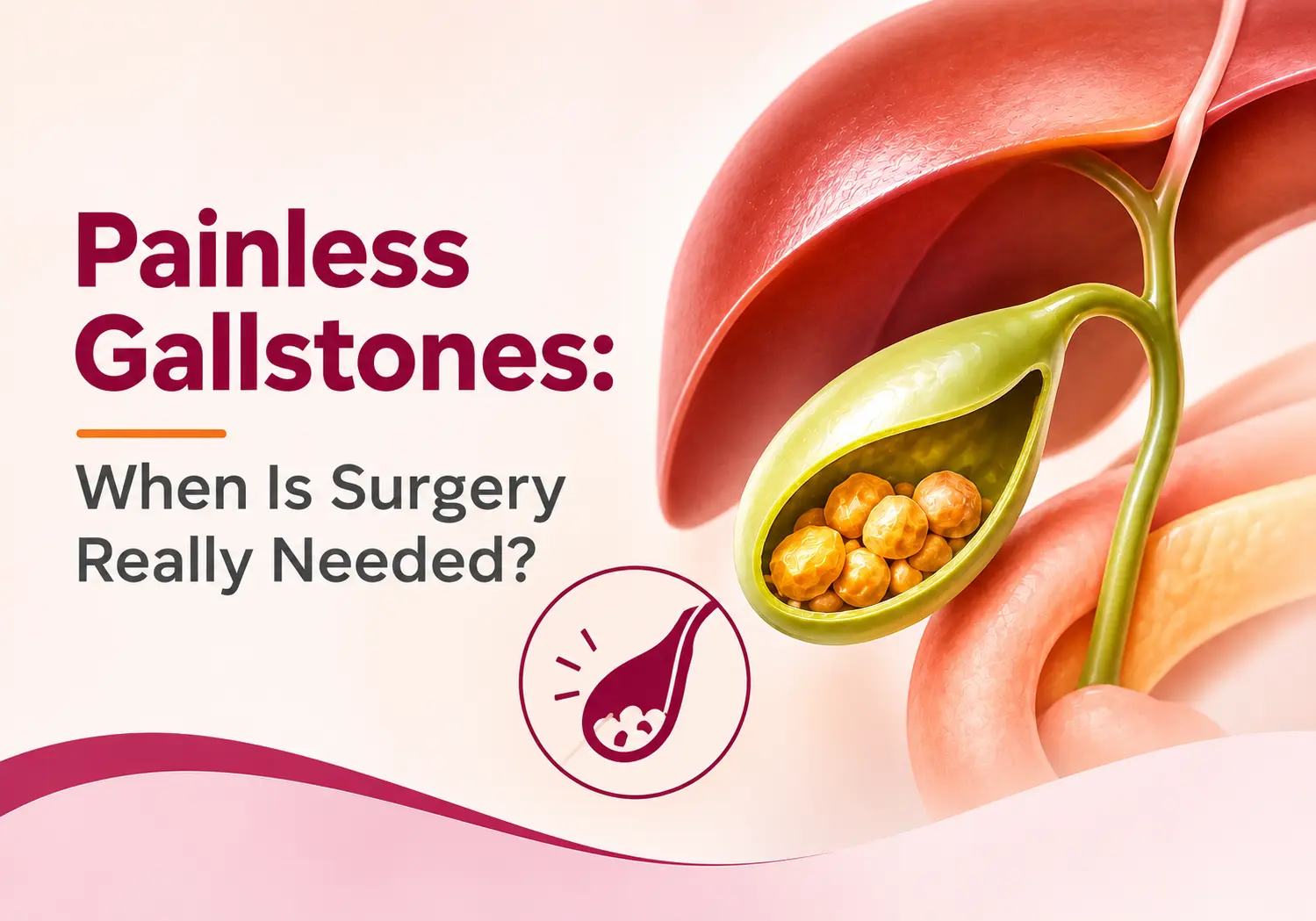
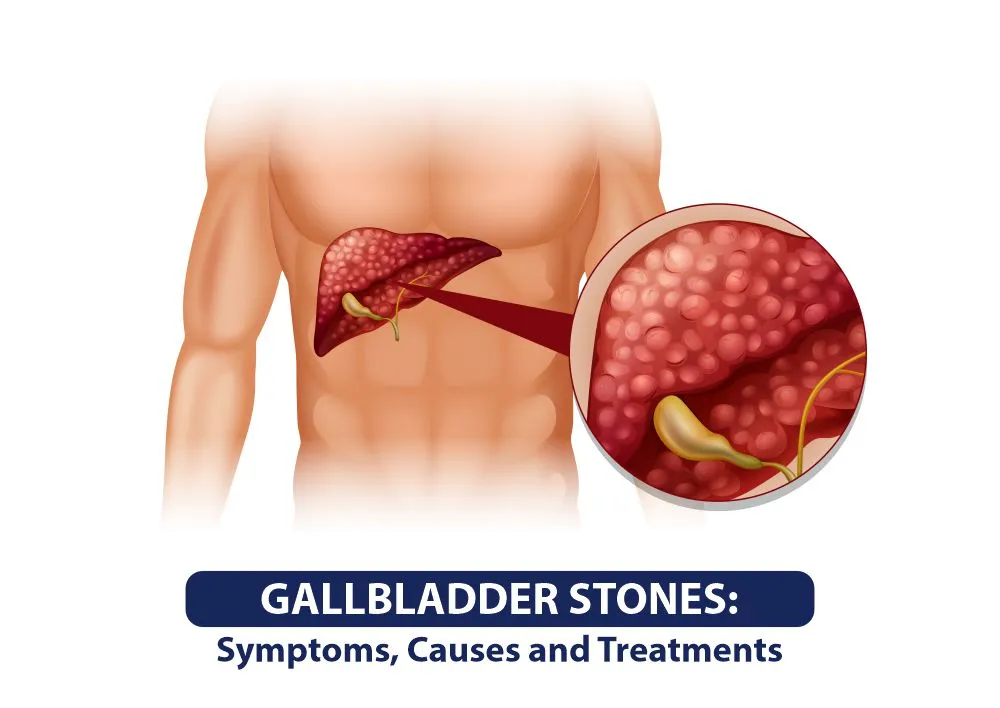
Cholecystitis refers to inflammation of the gallbladder, a small organ located beneath the liver that stores bile and helps in the digestion of fats. It commonly occurs when gallstones block the cystic duct, restricting the normal flow of bile and causing pressure and inflammation inside the gallbladder. In some cases, the condition may also be associated with bacterial infection.
Depending on its progression, cholecystitis can be acute (sudden inflammation) or chronic (repeated or long-term inflammation). Common symptoms include severe pain in the upper right abdomen, nausea, vomiting, fever, and abdominal tenderness. If not treated promptly, it may lead to complications such as infection, gallbladder tissue damage, or perforation.
Early diagnosis and appropriate medical or surgical treatment can help prevent complications and manage the condition effectively.
Experiencing persistent abdominal pain or symptoms of gallbladder inflammation? Consider consulting the general surgeon in Gurgaon at Miracles Healthcare for timely evaluation and appropriate cholecystitis treatment.
The symptoms of cholecystitis may vary depending on the severity of inflammation and whether the condition is acute or chronic. The most common symptom is pain in the upper right side of the abdomen.
Common symptoms include:
Abdominal Pain: Persistent or severe pain in the upper right abdomen, which may extend towards the right shoulder or back.
Nausea and Vomiting: Feeling sick or experiencing vomiting, particularly after eating fatty or heavy meals.
Fever: Increased body temperature due to inflammation or infection in the gallbladder.
Abdominal Tenderness: Pain or discomfort when pressure is applied to the upper right abdomen.
Bloating: A feeling of fullness, pressure, or discomfort in the abdomen.
Indigestion: Difficulty digesting fatty foods, accompanied by discomfort or nausea.
Loss of Appetite: Reduced desire to eat due to persistent abdominal discomfort.
Jaundice: Yellowing of the skin and eyes, which may occur if a gallstone also obstructs the common bile duct.
Symptoms that persist or worsen require medical evaluation, particularly when accompanied by fever or severe abdominal pain.
Cholecystitis commonly develops when bile cannot flow normally out of the gallbladder, resulting in inflammation and irritation.
Common causes include:
Gallstones: Gallstones are the most common cause of cholecystitis. They can block the cystic duct, causing bile to accumulate inside the gallbladder.
Bile Duct Obstruction: Blockage in the bile ducts due to stones or other abnormalities can interfere with normal bile drainage.
Gallbladder Infection: A bacterial infection may develop in the gallbladder, particularly when bile flow is obstructed.
Reduced Blood Supply: Inadequate blood flow to the gallbladder can cause tissue damage and inflammation, particularly in critically ill patients.
Gallbladder Sludge: Thickened bile containing small particles can obstruct bile flow and contribute to inflammation.
Acalculous Cholecystitis: In some cases, gallbladder inflammation develops without gallstones. This is more commonly associated with severe illness, major surgery, trauma, or prolonged fasting.
Diagnosing cholecystitis involves evaluating the patient's symptoms, medical history, physical examination findings, and imaging reports. The doctor may recommend blood tests and imaging investigations to identify gallbladder inflammation, detect gallstones, and assess the severity of the condition.
Common diagnostic tests include:
1. Physical Examination: The doctor examines the abdomen to identify tenderness, particularly in the upper right side. A clinical test called Murphy's sign may be performed to check for pain when the patient takes a deep breath while pressure is applied over the gallbladder area.
2. Blood Tests: Blood investigations help identify signs of inflammation or infection. These may include:
Complete Blood Count (CBC) to check for an increased white blood cell count.
Liver Function Tests (LFTs) to assess liver and bile duct health.
C-reactive protein (CRP) to identify inflammation.
Bilirubin levels to check for possible bile duct obstruction.
3. Abdominal Ultrasound: Ultrasound is commonly the first imaging test recommended for suspected cholecystitis. It helps identify gallstones, gallbladder wall thickening, fluid accumulation, and other signs of inflammation.
4. CT Scan: A CT scan may be recommended when additional information is needed about gallbladder inflammation or suspected complications such as abscess formation or perforation.
5. HIDA Scan: A Hepatobiliary Iminodiacetic Acid (HIDA) scan is a specialised nuclear imaging test used to evaluate bile flow and gallbladder function. It may be recommended when ultrasound findings are inconclusive.
6. MRCP: Magnetic Resonance Cholangiopancreatography (MRCP) is a specialised MRI technique used to examine the bile ducts, gallbladder, and pancreatic ducts. It may help identify stones or blockages in the bile ducts.
The choice of investigations depends on the patient's symptoms and clinical findings.
Cholecystitis treatment depends on the underlying cause, severity of inflammation, presence of infection, and the patient's overall health. The primary goals are to relieve symptoms, control inflammation, treat infection when present, and prevent complications.
Common treatment options include:
Medications: Doctors may prescribe pain-relieving medicines to manage abdominal discomfort. Antibiotics may be recommended when a bacterial infection is suspected or confirmed.
Intravenous Fluids: Patients with acute cholecystitis may require hospitalisation and intravenous fluids to maintain hydration and support recovery, particularly when vomiting or fasting is necessary.
Laparoscopic Cholecystectomy: Laparoscopic cholecystectomy is a minimally invasive surgical procedure used to remove the gallbladder. The surgeon makes small incisions in the abdomen and uses a camera and specialised instruments to perform the surgery. It is commonly recommended for patients with acute cholecystitis caused by gallstones, depending on their clinical condition. Removing the gallbladder helps prevent repeated episodes of gallbladder inflammation.
Open Cholecystectomy: Open cholecystectomy involves removing the gallbladder through a larger abdominal incision. It may be required in selected cases involving severe inflammation, complex anatomy, or complications that make laparoscopic surgery unsuitable.
Gallbladder Drainage: For patients who are not suitable candidates for immediate surgery, a doctor may recommend gallbladder drainage. This procedure involves inserting a tube to drain infected or accumulated fluid and help control inflammation.
The most appropriate treatment is determined after evaluating the patient's condition and diagnostic findings.
Certain health conditions and lifestyle factors can increase the likelihood of developing cholecystitis, particularly when they contribute to gallstone formation.
Common risk factors include:
Gallstones: Individuals with gallstones have a higher risk of developing gallbladder inflammation due to blockage of the cystic duct.
Age: The risk of gallstone-related conditions generally increases with age.
Gender: Women are more likely to develop gallstones, which can increase the risk of cholecystitis.
Obesity: Excess body weight can increase cholesterol levels in bile and contribute to gallstone formation.
Rapid Weight Loss: Losing weight too quickly may affect bile composition and increase the risk of gallstones.
Diabetes: People with diabetes may have an increased risk of gallbladder-related complications.
Family History: A family history of gallstones may increase an individual's susceptibility.
Unhealthy Dietary Habits: A diet high in unhealthy fats and refined carbohydrates and low in fibre may contribute to gallstone formation.
Prolonged Fasting: Extended periods without food or certain medical conditions that affect gallbladder emptying may increase the risk of gallbladder problems.
Having these risk factors does not necessarily mean a person will develop cholecystitis. However, understanding them can help individuals make informed decisions about their health.
Although not all cases of cholecystitis can be prevented, maintaining healthy lifestyle habits may help reduce the risk of gallstone formation and related gallbladder problems.
Consider the following preventive measures:
Maintain a Healthy Weight: Managing body weight can help reduce the risk of gallstone formation.
Follow a Balanced Diet: Include fruits, vegetables, whole grains, and fibre-rich foods in your daily meals.
Limit High-Fat Foods: Reduce excessive consumption of fried foods, processed foods, and meals high in saturated fats.
Exercise Regularly: Walking, cycling, and other physical activities can support healthy metabolism and weight management.
Avoid Rapid Weight Loss: Follow a gradual and medically appropriate weight-loss plan rather than crash diets.
Eat Regular Meals: Avoid prolonged fasting and maintain regular eating habits to support normal gallbladder emptying.
Manage Existing Health Conditions: Seek appropriate medical care for diabetes, obesity, and other metabolic conditions.
Seek Timely Medical Advice: Consult a doctor if you experience recurring abdominal pain, particularly after eating fatty meals.
These measures may help lower the risk of gallstones but cannot guarantee prevention of cholecystitis.
Cholecystitis can become serious if the inflammation is not treated promptly. Persistent abdominal pain, particularly in the upper right side, should not be ignored.
Consult a general surgeon near you if you experience:
Persistent pain in the upper right abdomen.
Abdominal pain that spreads towards the right shoulder or back.
Repeated episodes of nausea and vomiting.
Fever or chills along with abdominal discomfort.
Abdominal tenderness or swelling.
Loss of appetite and difficulty eating.
Yellowing of the skin or eyes (jaundice).
Recurrent abdominal pain after consuming fatty foods.
Sudden severe abdominal pain, high fever, persistent vomiting, or jaundice may indicate a serious gallbladder or bile duct problem. Seek immediate medical evaluation rather than waiting for symptoms to resolve.
Early diagnosis and timely treatment can help prevent complications such as gallbladder infection, tissue damage, and perforation.
Miracles Healthcare, a multispeciality hospital in Gurgaon, has been providing healthcare services since 2002. Cholecystitis diagnosis and treatment are supported by a team of experienced general surgeons and access to advanced diagnostic facilities and modern surgical techniques. From evaluating gallbladder inflammation and identifying gallstones to recommending appropriate medical management or surgical intervention, the focus is on providing treatment based on each patient's condition and clinical needs. Patients requiring gallbladder removal may be evaluated for laparoscopic cholecystectomy, a minimally invasive procedure that involves removing the inflamed gallbladder through small abdominal incisions.
Comprehensive Care for Your Health
Meet our expert team of General Surgery Doctors where compassionate care meets expertise.







Inspiring Journeys: True Patient Stories

Thanks Mr. Nedrat Abdul for your grateful words fo...

Watch what one of our patient Mrs. Maria Amelin Ma...

Mr. Aadarsh Kumar - Patient Testimonial for Matern...

Our team at Miracles Healthcare takes extra care o...
Miracles Healthcare is a leading multispeciality hospital in Gurgaon. We are committed to providing comprehensive and high-quality medical care across all specialties under one roof.






Learn about the world class health care we provide
Source for Expert Advice and Health Tips


Learn about the world class health care we provide
Laparoscopic cholecystectomy (gallbladder removal surgery) is commonly recommended for gallstone-related cholecystitis. Medications, antibiotics, and IV fluids may also be required.
Certain small cholesterol gallstones may be treated with medicines in selected cases, but treatment is not suitable for everyone. Surgery is generally recommended for symptomatic gallstones.
There is no fixed age limit for gallbladder removal. The decision depends on the patient's overall health, existing medical conditions, and fitness for surgery.
Gallbladder removal surgery in Gurgaon may cost approximately Rs. 45,000 to Rs. 1,70,000, depending on the hospital, surgical technique, room category, and the patient's medical condition.
Laparoscopic gallbladder removal is generally considered a safe procedure. However, potential complications include bleeding, infection, bile duct injury, and anaesthesia-related risks.
Yes, most people can live a normal, healthy life without a gallbladder. The liver continues producing bile, which helps digest fats even after gallbladder removal.


