



General Surgery Conditions We Treat
Comprehensive Care for Your Health

The gallbladder is a small organ located below the liver that stores bile, a digestive fluid that helps break down fats. A gallbladder polyp is an abnormal growth that develops on the inner wall of the gallbladder.
Most gallbladder polyps are benign (non-cancerous) and may not cause any symptoms. They are often detected during an abdominal ultrasound. However, certain polyps may have a higher risk of becoming cancerous or may indicate the need for further evaluation. Gallbladder polyps can vary in size and type. Small polyps are commonly monitored with periodic imaging, while larger or suspicious polyps may require surgical removal of the gallbladder.
If you are experiencing symptoms of gallbladder polyps, consult a general surgeon in Gurgaon at Miracles Healthcare for timely evaluation to determine whether monitoring or treatment is required.
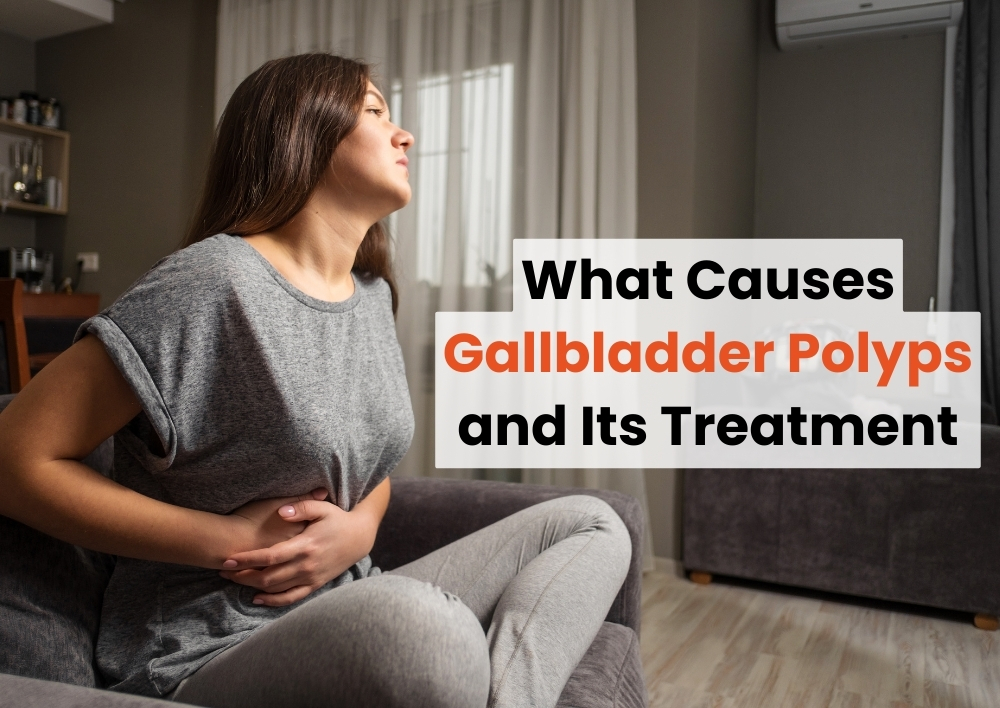
Most people with gallbladder polyps do not experience any noticeable symptoms. In many cases, the condition is discovered accidentally during an ultrasound or other imaging test.
However, some people may experience symptoms such as:
Pain or discomfort in the upper right side of the abdomen
Indigestion or digestive discomfort
Nausea or vomiting
Bloating after meals
Discomfort after eating fatty foods
Abdominal fullness or heaviness
These symptoms can also occur because of other gallbladder conditions, including gallstones or inflammation. Therefore, consult a general surgeon near you for proper diagnosis rather than assuming that the symptoms are caused by a gallbladder polyp.
The exact reason for gallbladder polyps is not always known. Different types of polyps may develop for different reasons.
Some possible factors associated with gallbladder polyps include:
Cholesterol Deposits: Some polyps develop due to cholesterol deposits on the gallbladder wall. These are among the more common types of gallbladder polyps and are generally non-cancerous.
Inflammation: Long-term inflammation or irritation of the gallbladder may contribute to changes in the gallbladder lining.
Abnormal Cell Growth: In some cases, polyps develop due to abnormal growth of cells within the gallbladder lining.
Associated Gallbladder Conditions: Certain gallbladder conditions may be associated with the development of polyps or abnormalities within the gallbladder.
Because gallbladder polyps can have different causes and characteristics, proper imaging and medical evaluation are important.
Gallbladder polyps are commonly detected during imaging tests. Your doctor may recommend one or more tests depending on the size, appearance, and characteristics of the polyp.
Ultrasound: An abdominal ultrasound is commonly used to detect gallbladder polyps. It is a non-invasive imaging test that can help identify growths and assess their size.
Follow-Up Ultrasound: If a small polyp is detected, your doctor may recommend repeat ultrasounds to monitor whether the polyp changes or increases in size.
Advanced Imaging: In certain cases, additional imaging tests may be recommended to obtain a more detailed assessment of the gallbladder and surrounding organs.
Your doctor will consider many factors, including the size and appearance of the polyp, your age, symptoms, and medical history, before recommending a treatment plan.
Treatment for gallbladder polyps depends on several factors, particularly the size of the polyp, its appearance, whether it is increasing in size, and whether there are features that may require further evaluation.
Regular Monitoring: Small polyps without concerning features may not require immediate treatment. Your doctor may recommend periodic ultrasound examinations to monitor the polyp over time.
Treatment for Associated Symptoms: If symptoms are caused by another gallbladder condition, such as gallstones or inflammation, treatment may focus on managing the underlying condition.
Gallbladder Removal Surgery: In some situations, doctors may recommend removal of the gallbladder, known as a cholecystectomy. Surgery may be considered when a polyp is large, shows concerning features, increases in size during follow-up, or is associated with other factors that increase the risk of complications.
Gallbladder removal is commonly performed using minimally invasive laparoscopic techniques. The procedure involves small incisions and may offer benefits such as smaller scars and a shorter recovery period compared with traditional open surgery, depending on the patient's condition.
The decision regarding surgery should always be made after a detailed consultation with an experienced specialist.
Many factors may be considered when evaluating the risk associated with gallbladder polyps. These include:
Increasing age
Larger polyp size
Increase in polyp size during follow-up
Certain characteristics seen on imaging
History of gallbladder disease
Chronic inflammation of the gallbladder
Certain underlying medical conditions
It is important to remember that having a gallbladder polyp does not necessarily mean that it is cancerous. Most gallbladder polyps are benign. However, regular medical evaluation helps doctors identify polyps that may need closer monitoring or treatment.
There is no guaranteed way to prevent all gallbladder polyps because their exact cause is not always known. However, maintaining good digestive and overall health may help reduce the risk of certain gallbladder problems.
You can support gallbladder health by:
Maintaining a healthy body weight
Eating a balanced and nutritious diet
Including fruits, vegetables and fibre-rich foods in your meals
Limiting excessive intake of highly processed and fatty foods
Staying physically active
Managing cholesterol and other metabolic health concerns
Seeking medical advice for persistent abdominal pain or digestive symptoms
Attending recommended follow-up scans if a gallbladder polyp has already been detected
If a gallbladder polyp has been diagnosed, following your doctor's recommendations for monitoring is one of the most important steps you can take.
Most gallbladder polyps do not cause symptoms and may be discovered incidentally during an ultrasound. However, it is important to consult a doctor if you have persistent or unexplained abdominal symptoms or if a gallbladder polyp has already been detected.
You should consult a general surgeon or gastroenterology specialist if you experience:
Persistent or recurring pain in the upper right side of the abdomen
Abdominal pain or discomfort after eating, particularly after fatty meals
Frequent nausea or vomiting
Persistent bloating or indigestion
Unexplained abdominal fullness or heaviness
A gallbladder polyp that increases in size during follow-up scans
A newly detected or relatively large gallbladder polyp
Changes in the appearance or characteristics of a polyp on imaging
Recurrent gallbladder problems or inflammation
If you have been diagnosed with a gallbladder polyp, do not skip recommended follow-up ultrasounds or medical appointments. Regular monitoring allows your doctor to assess whether the polyp remains stable or shows changes that may require further evaluation or treatment. Seek prompt medical attention if abdominal pain is severe or persistent, or if it occurs with fever, repeated vomiting, yellowing of the skin or eyes (jaundice), or other concerning symptoms. Timely consultation with an experienced specialist can help determine whether your gallbladder polyp only requires monitoring or whether further treatment may be appropriate.
Miracles Healthcare is a leading multispeciality hospital in Gurgaon, providing comprehensive evaluation and treatment for patients diagnosed with gallbladder polyps and other gallbladder conditions. Our team of experienced specialists and surgeons offers personalised care based on the size, type, and characteristics of the gallbladder polyp, associated symptoms, and individual health needs of each patient. Treatment may include regular monitoring and follow-up imaging or surgical removal of the gallbladder when medically required.
With advanced diagnostic facilities and multidisciplinary support under one roof, the hospital focuses on accurate diagnosis, timely evaluation, and patient-centred treatment. Whether a gallbladder polyp has been detected during a routine ultrasound or you are experiencing persistent abdominal pain, digestive discomfort, nausea, or other symptoms, timely medical evaluation can help determine the most appropriate course of care.
Do not ignore persistent abdominal discomfort or delay follow-up after a gallbladder polyp has been detected. Early evaluation and appropriate monitoring can help you make informed decisions about your health. Book your appointment at Miracles Healthcare today and take the first step towards timely diagnosis and personalised treatment for gallbladder polyps.

Comprehensive Care for Your Health
Meet our expert team of General Surgery Doctors where compassionate care meets expertise.







Inspiring Journeys: True Patient Stories

Thanks Mr. Nedrat Abdul for your grateful words fo...

Watch what one of our patient Mrs. Maria Amelin Ma...

Mr. Aadarsh Kumar - Patient Testimonial for Matern...

Our team at Miracles Healthcare takes extra care o...
Miracles Healthcare is a leading multispeciality hospital in Gurgaon. We are committed to providing comprehensive and high-quality medical care across all specialties under one roof.






Learn about the world class health care we provide
Source for Expert Advice and Health Tips

Learn about the world class health care we provide
There is no proven way to reduce gallbladder polyps naturally. Small polyps are often monitored with regular ultrasound scans, while treatment depends on their size and characteristics.
Avoid excessive intake of high-fat and highly processed foods, and maintain a healthy lifestyle. Follow your doctor's advice regarding monitoring and treatment.
Most gallbladder polyps cause no symptoms and may only require monitoring. Depending on their size and features, your doctor may recommend further evaluation or treatment.
Most gallbladder polyps are harmless and non-cancerous. However, larger or growing polyps may require closer monitoring or treatment by a specialist.
Some small cholesterol polyps may remain unchanged over time, but gallbladder polyps do not always disappear on their own. Regular follow-up helps monitor any changes.


