



General Surgery Conditions We Treat
Comprehensive Care for Your Health

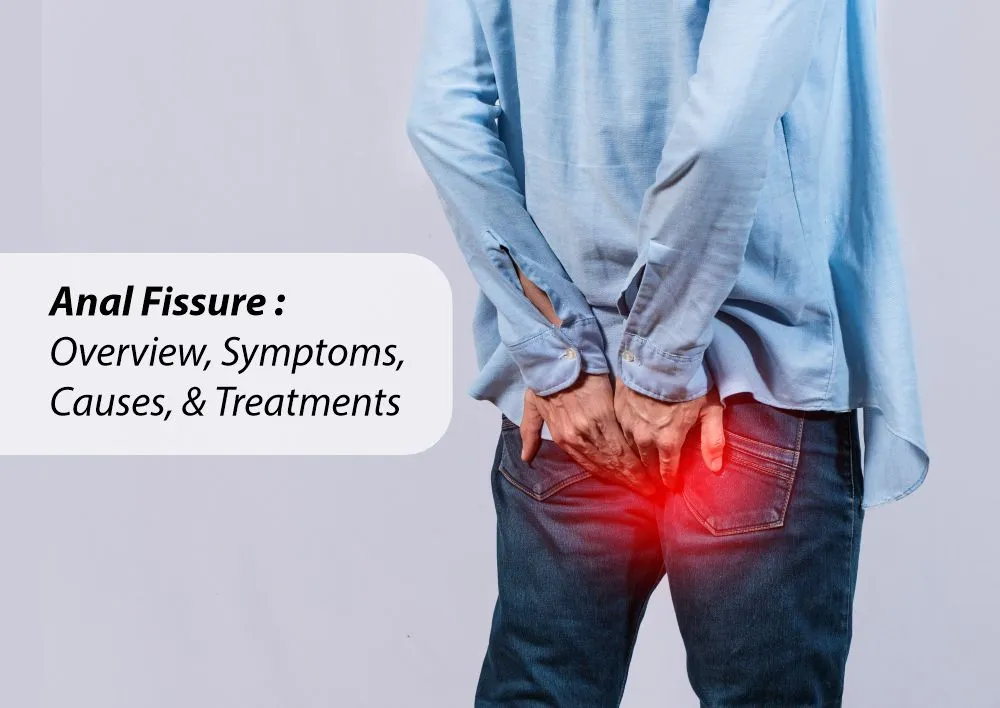
An anal fissure (Anal tear) is a small, thin rip or tear in the anal passage around the anus that may occur due to excessive straining during bowel movements. Fissures are very common among people suffering from constipation. Although they are not dangerous, they can be very painful and uncomfortable if they are not treated early with medical help. Seeking early treatment from your health care provider will reduce pain, help prevent complications, and speed up recovery.
An anal fissure is an irritation or injury to the soft, sensitive tissue of the anal canal. The torn area exposes the underlying muscles, causing pain and spasms when attempting to pass stool.
Fissures can be:
Acute Fissures: They typically resolve on their own within one or two weeks and require little or no additional treatment.
Common symptoms of an anal fissure include
Sharp pain during bowel movements
Burning or discomfort after passing stool.
Bright red blood on toilet paper or stool.
A visible crack or tear near the anus
Itching or irritation around the anal area.
Spasm of the nal muscles causing prolonged pain.
If pain or bleeding continues, medical evaluation is necessary.
Fissures usually develop due to excessive pressure on the anal canal. Common causes include
Chronic constipation.
Passing hard or large stools.
Straining during bowel movements.
Chronic diarrhea.
Poor dietary fiber intake.
Childbirth (in women)
Anal infections or inflammation.
Diagnosis of fissure is generally very simple and quick. It includes
Physical examination of the anal area.
Review of symptoms and medical history.
In chronic cases, additional tests may be advised to find out other conditions.
Most fissures can be diagnosed without invasive procedures.
Certain factors increase the risk of developing fissures
Low-fiber diet.
Dehydration.
Sedentary lifestyle.
Obesity
Pregnancy and childbirth
Chronic digestive issues.
Addressing these factors can reduce recurrence.
Fissure treatment depends on the condition, whether it is acute or chronic.
For early or mild fissures, treatment may include
High-fiber diet and increased fluid intake.
Stool softeners.
Medicated creams and ointments.
Pain-relieving medications
Warm sitz baths.
When a fissure does not heal with medications, or keeps coming back, advanced treatment may be advised. These treatments are designed to provide long-lasting relief with minimal discomfort.
Laser fissure treatment: A modern, minimally invasive procedure that precisely treats the fissure, reduces pain, and promotes faster healing with minimal bleeding.
Minimally invasive surgical procedures: Performed when the fissure becomes chronic, these procedures help repair the tear while preserving normal anal function.
Muscle relaxation–focused treatment: Treatments aimed at relaxing the anal muscles and improving blood flow to the affected area, which supports natural healing and prevents recurrence.
With advanced techniques, patients experience less pain, shorter hospital stays, faster recovery, and a faster return to their daily activities.
Fissures can often be prevented by simple lifestyle changes
Eat a fiber-rich diet (fruits, vegetables, whole grains)
Drink plenty of water.
Don't strain during the bowel movements.
Maintain good anal hygiene.
Exercise regularly.
Treat constipation at an early stage.
Miracles Healthcare is one of the best multispeciality hospitals for fissure care. The hospital specializes in providing complete, patient-focused medical care. Our experienced general surgeons in Gurgaon use advanced laser techniques to treat fissures with precision and comfort. We rely on the latest diagnostic equipment to accurately assess the condition and choose the most effective treatment. Patients receive care in a clean, private, and comfortable facility, with treatment plans tailored to their individual needs. With many locations across Gurgaon, we make quality healthcare easily accessible. Our focus is to provide quick relief, faster recovery, and long-lasting treatment results.
Comprehensive Care for Your Health
Meet our expert team of General Surgery Doctors where compassionate care meets expertise.





Inspiring Journeys: True Patient Stories

Thanks Mr. Nedrat Abdul for your grateful words fo...

Watch what one of our patient Mrs. Maria Amelin Ma...

Mr. Aadarsh Kumar - Patient Testimonial for Matern...

Our team at Miracles Healthcare takes extra care o...
Miracles Healthcare is a leading multispeciality hospital in Gurgaon. We are committed to providing comprehensive and high-quality medical care across all specialties under one roof.






Learn about the world class health care we provide
Source for Expert Advice and Health Tips

Learn about the world class health care we provide
Most fissures heal with a high-fiber diet, good hydration, medicated creams, and proper bowel habits. Chronic fissures may need laser or surgical treatment.
A fissure is usually not serious, but it can cause severe pain and may become chronic if left untreated.
Ignoring a fissure can lead to chronic pain, persistent bleeding, infection, and the need for surgery.
No, fissures are not cancerous, but persistent symptoms should be evaluated to rule out other conditions.
Passing hard stools due to constipation is the most common cause of anal fissures.
Yes, early fissures can heal at home with fiber-rich food, fluids, sitz baths, and prescribed ointments.
The first stage is an acute fissure, which is a fresh tear causing pain during bowel movements.
Avoid spicy foods, junk food, processed items, alcohol, and low-fiber foods that can cause constipation.


