


General Surgery Conditions We Treat
Comprehensive Care for Your Health

Most people are ashamed or embarrassed to admit that they have piles or hemorrhoids. Most people mistakenly think that piles can lead to their death, when in reality, they will never kill you unless you die of something else.
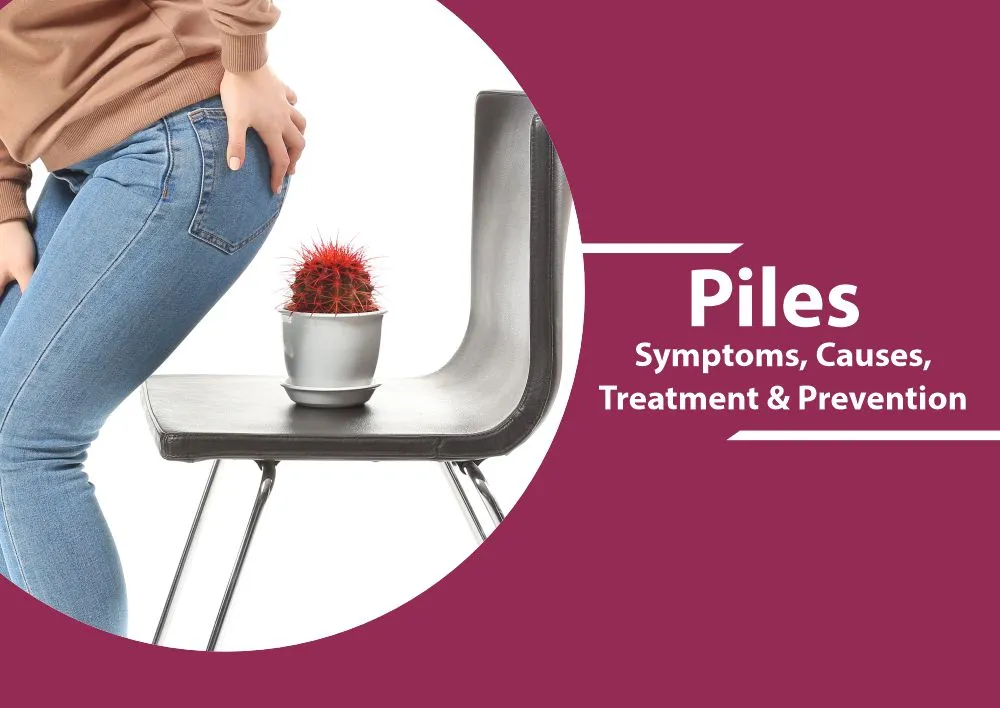
Piles (Hemorrhoids) are actually swollen, inflamed, and reddened veins located at or around the anus due to pressure placed on the veins by the hard faced loaded factum. When this happens, it creates painful, painful feelings with each bowel movement and may cause some bleeding.
Internal hemorrhoids are inside the rectum; while Internal Hemorrhoids usually do not typically hurt, the individual using the toilet may notice that they are bleeding.
External hemorrhoids occur just outside of the anus; External Hemorrhoids can cause itching or irritation around the anus and can cause pain.
Thrombosed Hemorrhoids means that there's a clot inside an external hemorrhoid; thrombosed hemorrhoids hurt very badly.
Piles Symptoms vary depending on the cause or severity of the hemorrhoid, but typically the symptoms of Piles include:
Pain/discomfort while it is occurring during bowel movements.
Bright red blood on the toilet seat/paper.
Itchy/irritated area around the anus.
Curled flaky skin, swelling, and/or a raised lump at or near the anus
Discharge (mucus) after bowel movements.
You may feel like you did not fully empty your bowels after a bowel movement.
If you notice continuous bleeding or pain in your anus area, consult a general surgeon near you quickly.
Piles develop because of increased pressure in the rectal area. Some common causes include:
Chronic constipation or diarrhea
Straining during bowel movements
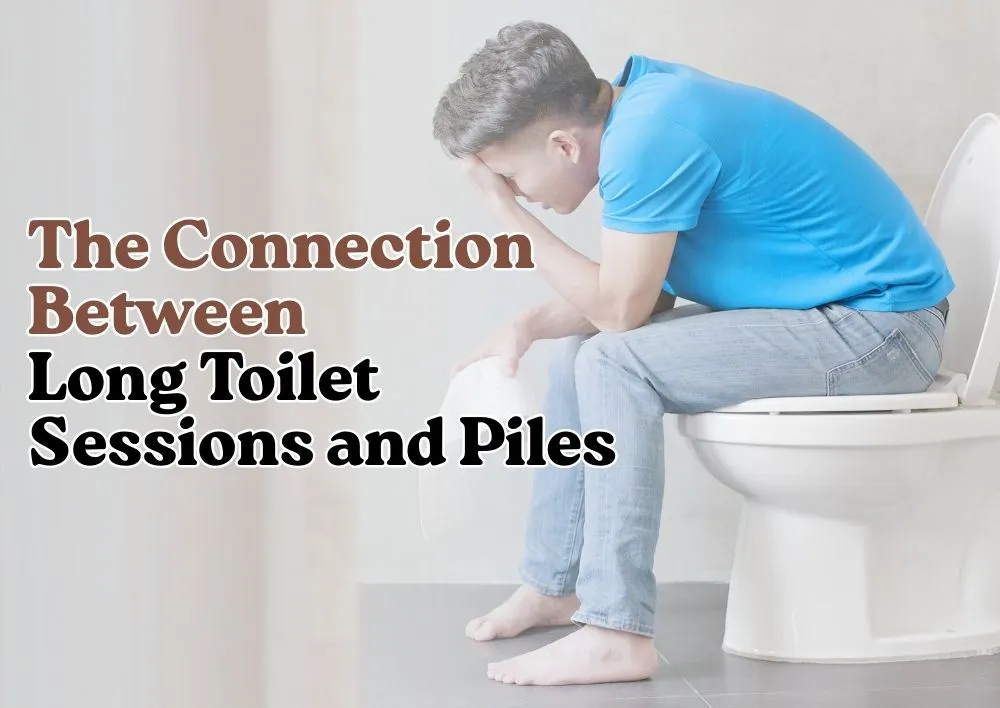
Sitting for long hours, especially on the toilet
Low-fiber diet
Obesity
Pregnancy and childbirth
Aging, which weakens rectal tissues
Diagnosis of piles is usually simple and painless. At Miracles Healthcare, doctors may recommend:
Physical examination of the anal area
Digital rectal examination
Anoscopy or proctoscopy to view internal piles
Colonoscopy (in selected cases) to rule out other conditions
Early diagnosis helps in choosing the most effective and minimally invasive treatment.
Piles treatment depends on the severity of symptoms and the type of piles.
High-fiber diet and stool softeners
Medications to reduce pain, swelling, and itching
Lifestyle modifications
When lifestyle changes and medicines do not provide enough relief, advanced medical procedures are recommended. These treatments are safe, effective, and designed to offer long-lasting relief with minimal discomfort. At modern hospitals, these procedures are usually performed on a daycare basis, allowing patients to return home the same day.
Rubber band ligation is a very commonly used, non-surgical treatment for internal piles. In this procedure, a small rubber band is placed at the base of the pile to cut off its blood supply.
Over time, the pile shrinks, dries up, and falls off naturally during bowel movements.
Key advantages include
No need for anesthesia
Simple and quick outpatient procedure.
You will have minimal discomfort with the treatment, as well as benefit from the effective treatment of early to moderate-stage piles.
This treatment option is primarily used by people who are seeking effective results without needing to undergo surgical procedures.
A special medical solution is injected into the piles tissue when using this method of treatment. This medical solution shrinks the blood vessels in the piles tissue, which causes the blood vessels to reduce in size and eventually disappear over time.
It is recommended because:
It is suitable for early-stage piles.
Quick and safe procedure.
No hospital stay required.
Minimal pain and complications.
Helps control bleeding effectively.
It is a good option for patients who cannot undergo surgery or prefer a less invasive approach.
Infrared coagulation uses infrared light to create controlled heat, which cuts off blood flow to the pile. This makes the pile to shrink and eventually heal on its own.
Benefits of infrared coagulation
Minimally invasive treatment
Short procedure time.
Little to no pain.
No stitches required.
Ideal for small internal piles.
This technique is usually chosen for patients with mild to moderate hemorrhoids.
Laser surgery is one of the most advanced treatment options for piles. In this procedure, laser energy is used to shrink, and eliminate the swollen piles tissue with high precision, and without damaging the surrounding area.
Benefits of Laser Piles Treatment
Minimally invasive procedure with no cuts or stitches.
Almost painless
Minimal blood loss
Short procedure.
Faster healing and recovery.
Minimal risk of infection, or complications.
Short hospital stay.
Patients can resume daily activities after a few days.
Laser treatment is especially suitable for patients who are looking for a safe, effective, and modern solution for piles with minimal disruption to their routine.
The main goal of laser piles surgery is to permanently reduce or remove the enlarged hemorrhoidal tissue, relieve symptoms such as pain, bleeding, and discomfort, and significantly lower the chances of recurrence.
Surgical treatment for piles is advised when symptoms are severe, keep coming back, or do not improve with medicines, or minimally invasive treatments. The main aim of surgery is to reduce pain, stop bleeding, remove swollen piles tissue, and prevent the reoccurrence.
Open Surgery for Piles
Open surgery for piles is also known as hemorrhoidectomy. It is recommended in severe, or complicated cases of piles including large prolapsed hemorrhoids or when other treatments have failed.
In this procedure, the surgeon surgically removes the hemorrhoidal tissue under anesthesia.
Certain factors increase the risk of developing piles, such as:
Sedentary lifestyle
Poor eating habits
Family history of piles
Heavy lifting
Chronic digestive issues
Prolonged sitting at work
You can reduce the risk of piles by following simple habits
Eat a fiber-rich diet
Drink plenty of water
Avoid straining during bowel movements
Exercise regularly
Do not delay the urge to pass stool
Maintain a healthy weight
Miracles Healthcare is the best multispeciality hospital, offering care for patients suffering from piles in Gurgaon. Our team of experienced proctologists as well as general surgeons provides expert care using advanced techniques to treat piles. We make sure that patients feel comfortable at every point of their treatment.
We use latest equipment for diagnosing patients accurately, and develop individualized treatment plans for all of our patients based on their conditions. With many locations throughout Gurgaon, finding an appropriate provider for quality piles treatment is easy, convenient, and accessible. We aim to provide the patient with fast results, minimal pain, and long-term success so that they can return to their normal lives as quickly and confidently as possible.
To book an appointment with one of our highly experienced general surgeons in Gurgaon, please contact us today.
Comprehensive Care for Your Health
Meet our expert team of General Surgery Doctors where compassionate care meets expertise.



Inspiring Journeys: True Patient Stories

Thanks Mr. Nedrat Abdul for your grateful words fo...

Watch what one of our patient Mrs. Maria Amelin Ma...

Mr. Aadarsh Kumar - Patient Testimonial for Matern...

Our team at Miracles Healthcare takes extra care o...
Miracles Healthcare is a leading multispeciality hospital in Gurgaon. We are committed to providing comprehensive and high-quality medical care across all specialties under one roof.






Learn about the world class health care we provide
Source for Expert Advice and Health Tips


Learn about the world class health care we provide
Piles are mainly caused by constipation and straining during bowel movements, which increases pressure on the rectal veins.
In the first stage, piles remain inside the rectum and may cause mild bleeding without pain.
Piles are confirmed with a physical examination, digital rectal exam, and tests like anoscopy.
Anal fissures, fistulas, and rectal polyps can have symptoms similar to piles.
They may appear suddenly because of constipation, heavy lifting, pregnancy, and prolonged sitting.
Mild piles can be treated with a high-fiber diet, fluids, and medicines, while advanced cases may need laser or surgical treatment.
Avoid spicy foods, fried items, processed foods, and low-fiber diets.
Early signs include bleeding during stools, itching, discomfort, or a feeling of fullness near the anus.
Piles can occur at any age but are more common in adults between 30 and 60 years.
Piles do not have a fixed lifespan. They can continue or worsen if untreated, but proper treatment can cure them completely.


