



General Surgery Conditions We Treat
Comprehensive Care for Your Health

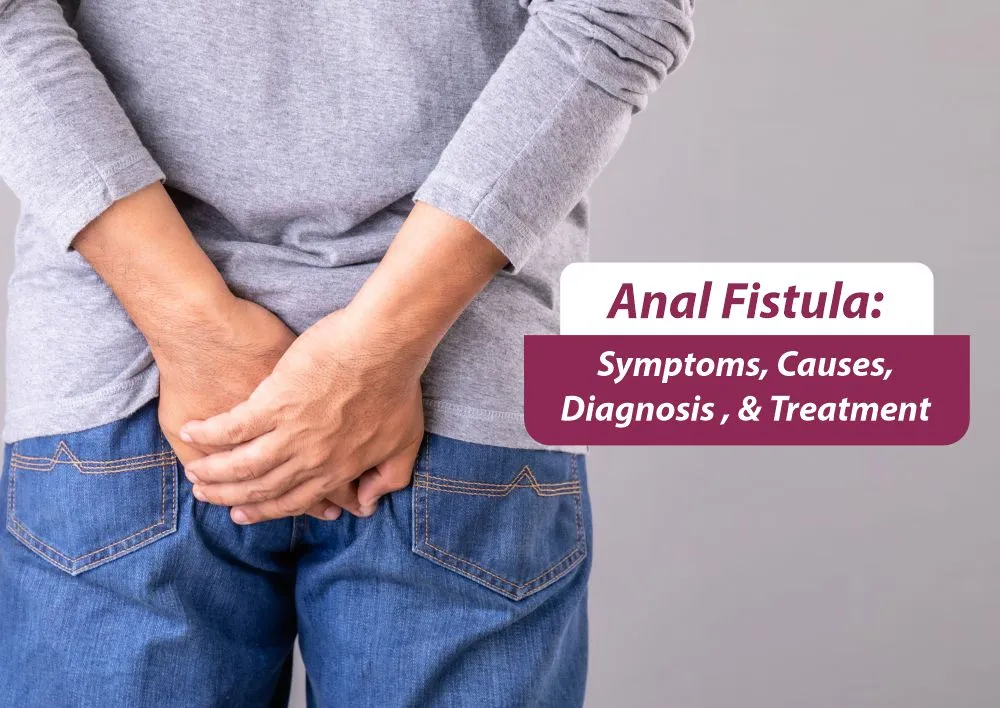
A fistula is a type of abnormal pathway existing between two parts of the body's anatomy that do not normally share a connection. It can be formed in several different locations, with the anal region being the most widely recognized site. Fistulas that form as a result of a medical problem can typically be treated successfully when diagnosed early.
Fistulas are abnormal, non-natural tunnels that form between two organs or between an organ and the surface of your body. The most common type of fistula is known as an anal fistula and forms between the anal canal (the last portion of the gastrointestinal tract) and the skin surrounding the anus. Anal fistulas typically develop as a result of an anal abscess (infected tissue).
Fistula symptoms may vary depending on the type and location. Common signs include:
Persistent pain around the anus
Swelling or redness near the affected area
Discharge of pus or blood
Foul-smelling fluid from an opening near the anus
Pain during bowel movements
Fever or fatigue in severe cases
Recurrent abscess formation
If these symptoms persist, immediate medical attention is advised.
Fistulas usually develop due to underlying infections or medical conditions, such as
Untreated anal abscess.
Chronic constipation or diarrhea.
Crohn’s disease or inflammatory bowel disease.
Tuberculosis.
Trauma or injury during surgery.
Radiation therapy
Childbirth complications (rare cases)
Certain factors increase the risk of developing a fistula
History of anal abscess.
Poor bowel habits.
Inflammatory bowel diseases.
Weak immune system
Diabetes
Smoking.
Managing these risk factors can reduce the chances of recurrence.
Accurate diagnosis is important to identify the exact location, type, and complexity of a fistula. Doctors may use the following diagnostic methods
Physical Examination: The doctor will perform a physical exam in order to identify visible openings, any swelling, discharge, or signs of an anal or skin infection.
Digital Rectal Exam (DRE): A gentle, hand-held gadget used by your physician to examine inside the anal canal.
MRI or CT Scan (for Complex Fistulas): Advanced imaging tests such as MRI and/or CT scans will create detailed images of the fistular tract, allowing your doctor to determine the presence of deep, complex, or recurrent fistular tracts.
Ultrasound: Anal or pelvic ultrasound can be used to view the fistula pathway and surrounding tissue, especially when the fistula cannot be seen externally.
Fistulography: In some cases, a contrast dye will be injected through the fistula opening, and an x-ray will be taken to visualize the direction and the length of the fistula tract.
By using these advanced diagnostic tools, your doctor will be able to accurately locate the fistula and assess how bad it is so you can receive the safest and most effective and target treatment possible.
Fistulas do not heal on their own. They usually require proper medical or surgical treatment. The treatment plan is determined by the characteristics of the fistula such as the type, where it is located, whether it is mild, moderate or severe and the overall health of the patient. Listed below are the most frequently used options.
Antibiotics and anti-inflammatory medications: They are prescribed to help treat infection and inflammation and relieve pain. These medications are usually used before or after surgery to help treat an infected fistula.
Fistulotomy: This surgical procedure involves opening the fistula tract to allow it to heal naturally from the inside out and is commonly used for simple fistulas.
Laser Fistula Treatment: A minimally invasive procedure that uses laser energy to close the fistula tract with high precision, resulting in less pain, minimal bleeding, and faster recovery.
LIFT Procedure (Ligation of Intersphincteric Fistula Tract): In this technique, the fistula tract is carefully tied and sealed between the muscle layers to prevent damage to the anal sphincter and reduce the risk of incontinence.
While not all fistulas can be prevented, the risk can be minimized by
Treating anal infections early.
Maintaining good personal hygiene.
Eating a high-fiber diet.
Drinking plenty of fluids.
Avoid prolonged constipation or straining.
Seeking timely medical advice for anal pain or swelling
Miracles Healthcare is among the leading hospitals for fistula treatment in Gurgaon. We are well-known for our team of highly experienced general surgeons and advanced medical technology. We offer modern laser fistula treatment, accurate diagnosis through advanced imaging, and minimally invasive procedures designed to reduce pain and promote faster recovery. With a strong focus on personalized treatment plans and patient comfort, the center ensures safe care, high success rates, and long-term relief for patients.
If you are experiencing the symptoms of a fistula, consult a general surgeon near you today and take a confident step toward lasting relief from fistula.

Comprehensive Care for Your Health
Meet our expert team of General Surgery Doctors where compassionate care meets expertise.







Inspiring Journeys: True Patient Stories

Thanks Mr. Nedrat Abdul for your grateful words fo...

Watch what one of our patient Mrs. Maria Amelin Ma...

Mr. Aadarsh Kumar - Patient Testimonial for Matern...

Our team at Miracles Healthcare takes extra care o...
Miracles Healthcare is a leading multispeciality hospital in Gurgaon. We are committed to providing comprehensive and high-quality medical care across all specialties under one roof.






Learn about the world class health care we provide
Source for Expert Advice and Health Tips


Learn about the world class health care we provide
The most common cause is an untreated infection or abscess that creates an abnormal passage between tissues.
An AV (arteriovenous) fistula is an abnormal connection between an artery and a vein, often created surgically for dialysis access.
Common signs include pain, swelling, discharge of pus or blood, foul smell, and discomfort during bowel movements.
Modern techniques, especially laser treatment, cause minimal pain and are managed well with medication.
Yes, with the help of right treatment, most fistulas can be cured completely.
Yes, if left untreated it can cause recurrent infections, pain, and complications, but it is highly treatable with proper care.
Many fistulas are treated with minimally invasive or laser procedures that require short hospital stays.
Most fistulas require a procedure; medicines alone can control infection but usually cannot permanently close the fistula.
Antibiotics and pain-relief medicines help control infection, and symptoms but are not a permanent cure.


