


General Surgery Conditions We Treat
Comprehensive Care for Your Health

An incisional hernia develops when tissue pushes through a weakened area in the abdominal wall at or near the site of a previous surgical incision. It can occur weeks, months, or even years after abdominal surgery.
An incisional hernia may appear as a bulge near the surgical scar, which can become more noticeable when standing, coughing, or straining. While some hernias may cause little discomfort, others can lead to pain or complications if the protruding tissue becomes trapped.
If you notice a bulge, pain, or swelling around a previous surgical scar, consult a general surgeon in Gurgaon at Miracles Healthcare for timely evaluation and appropriate treatment.
Common symptoms of an incisional hernia include:
A visible or noticeable bulge near a previous surgical scar
Swelling that becomes more prominent while coughing, standing, or straining
Pain or discomfort around the surgical site
A feeling of pressure or heaviness in the abdomen
Pain while lifting, exercising, or performing certain activities
Tenderness around the hernia
A hernia that suddenly becomes very painful, firm, or difficult to push back, especially when accompanied by vomiting or abdominal swelling, may require urgent medical attention.
An incisional hernia occurs when the abdominal wall does not heal strongly enough after surgery. Factors that can contribute to its development include:
Weakness at the site of a previous surgical incision
Increased pressure inside the abdomen
Poor wound healing
Wound infection after surgery
Persistent coughing or straining
Constipation and repeated straining during bowel movements
Heavy lifting soon after surgery
Obesity or excess abdominal weight
An incisional hernia can often be diagnosed through a physical examination. Your doctor may examine the surgical scar and ask you to stand, cough, or strain to assess the bulge.
Depending on the size, location, and symptoms, your doctor may recommend imaging tests such as:
Ultrasound: may help identify the hernia and assess the abdominal wall.
CT scan: provides detailed images of the abdominal wall and can help evaluate larger or complex hernias.
The choice of diagnostic test depends on your symptoms and individual condition.
Treatment depends on the size of the hernia, symptoms, overall health, and risk of complications.
1. Observation: Small incisional hernias that are not causing significant symptoms may sometimes be monitored by a doctor. Regular follow-up can help assess whether the hernia is changing.
2. Hernia Repair: Surgery may be recommended when the hernia is painful, increasing in size, affecting daily activities, or at risk of complications.
Depending on the individual case, repair may be performed using:
Open hernia surgery: The surgeon makes an incision over or near the hernia, returns the protruding tissue to its proper position, and strengthens the abdominal wall, often using surgical mesh.
Laparoscopic or minimally invasive hernia repair: Small incisions are used to access and repair the hernia. This approach may be suitable for selected patients.
Robotic-assisted repair: In appropriate cases, robotic technology may be used to assist the surgeon during minimally invasive hernia repair.
Your surgeon will recommend the most appropriate approach based on the hernia's size, location, previous surgeries, and your overall health.
Several factors can increase the risk of developing an incisional hernia, including:
Previous abdominal surgery
Surgical wound infection
Obesity
Smoking
Diabetes
Poor nutrition
Chronic cough
Chronic constipation
Repeated heavy lifting or straining
Multiple abdominal surgeries
Conditions that affect wound healing
Having these risk factors does not necessarily mean that you will develop an incisional hernia.
Not all incisional hernias can be prevented, but certain measures may reduce the risk:
Follow your surgeon's instructions after abdominal surgery.
Avoid heavy lifting until your doctor says it is safe.
Maintain a healthy weight.
Eat a nutritious, protein-rich diet to support healing.
Avoid smoking.
Manage diabetes and other conditions that may affect wound healing.
Prevent and treat persistent coughing or constipation.
Keep the surgical wound clean and follow recommended wound-care instructions.
Consult a surgeon near you if you notice:
A new bulge or swelling near a previous abdominal surgery scar
A bulge that is increasing in size
Pain or discomfort around the surgical scar
A bulge that becomes more noticeable while standing, coughing, or straining
Seek urgent medical attention if you experience:
Sudden or severe pain in the hernia
A bulge that becomes hard or cannot be pushed back
Vomiting or significant abdominal swelling
Difficulty passing stool or gas
Miracles Healthcare is a NABH-accredited hospital in Gurgaon providing comprehensive general surgical care for different types of hernias, including incisional hernia, since 2002. Our team of 10+ experienced general surgeons uses advanced diagnostic techniques to assess the size, location, and complexity of the hernia and recommend an appropriate treatment approach.
Depending on the patient’s condition, treatment may include laparoscopic and other minimally invasive surgical techniques, along with personalized pre- and post-operative care.
Don’t ignore a bulge or discomfort around an old surgical scar. Get it evaluated by an experienced hernia surgeon near you at Miracles Healthcare and understand your treatment options.
Comprehensive Care for Your Health
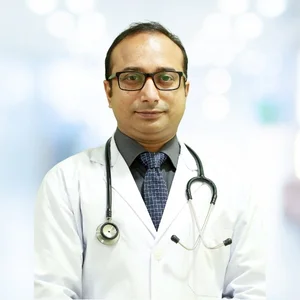
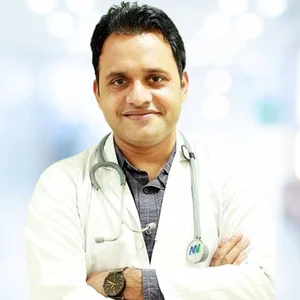
Meet our expert team of General Surgery Doctors where compassionate care meets expertise.





Inspiring Journeys: True Patient Stories

Thanks Mr. Nedrat Abdul for your grateful words fo...

Watch what one of our patient Mrs. Maria Amelin Ma...

Mr. Aadarsh Kumar - Patient Testimonial for Matern...

Our team at Miracles Healthcare takes extra care o...
Miracles Healthcare is a leading multispeciality hospital in Gurgaon. We are committed to providing comprehensive and high-quality medical care across all specialties under one roof.






Learn about the world class health care we provide
Source for Expert Advice and Health Tips



Learn about the world class health care we provide
A bulge, swelling, or discomfort around a previous surgical scar may indicate an incisional hernia. It may become more noticeable when standing, coughing, or straining.
An incisional hernia generally does not heal on its own because the abdominal wall weakness remains. Surgical repair may be recommended depending on its size and symptoms.
The duration varies depending on the complexity and surgical technique used. Your surgeon can provide a more accurate estimate after evaluating the hernia.
Some pain, swelling, and restricted activity are common initially. Recovery time varies, and your surgeon will guide you on wound care, activity, lifting, and follow-up.
An incisional hernia may remain stable for some time, but it can also grow or cause complications. A surgeon can assess whether monitoring or repair is appropriate.
Incisional hernia repair is a commonly performed procedure, but the complexity depends on the hernia’s size, location, previous surgeries, and overall health.
Most incisional hernia repairs are successful, although recurrence is possible. Outcomes depend on factors such as hernia size, surgical technique, and individual health.


