


General Surgery Conditions We Treat
Comprehensive Care for Your Health

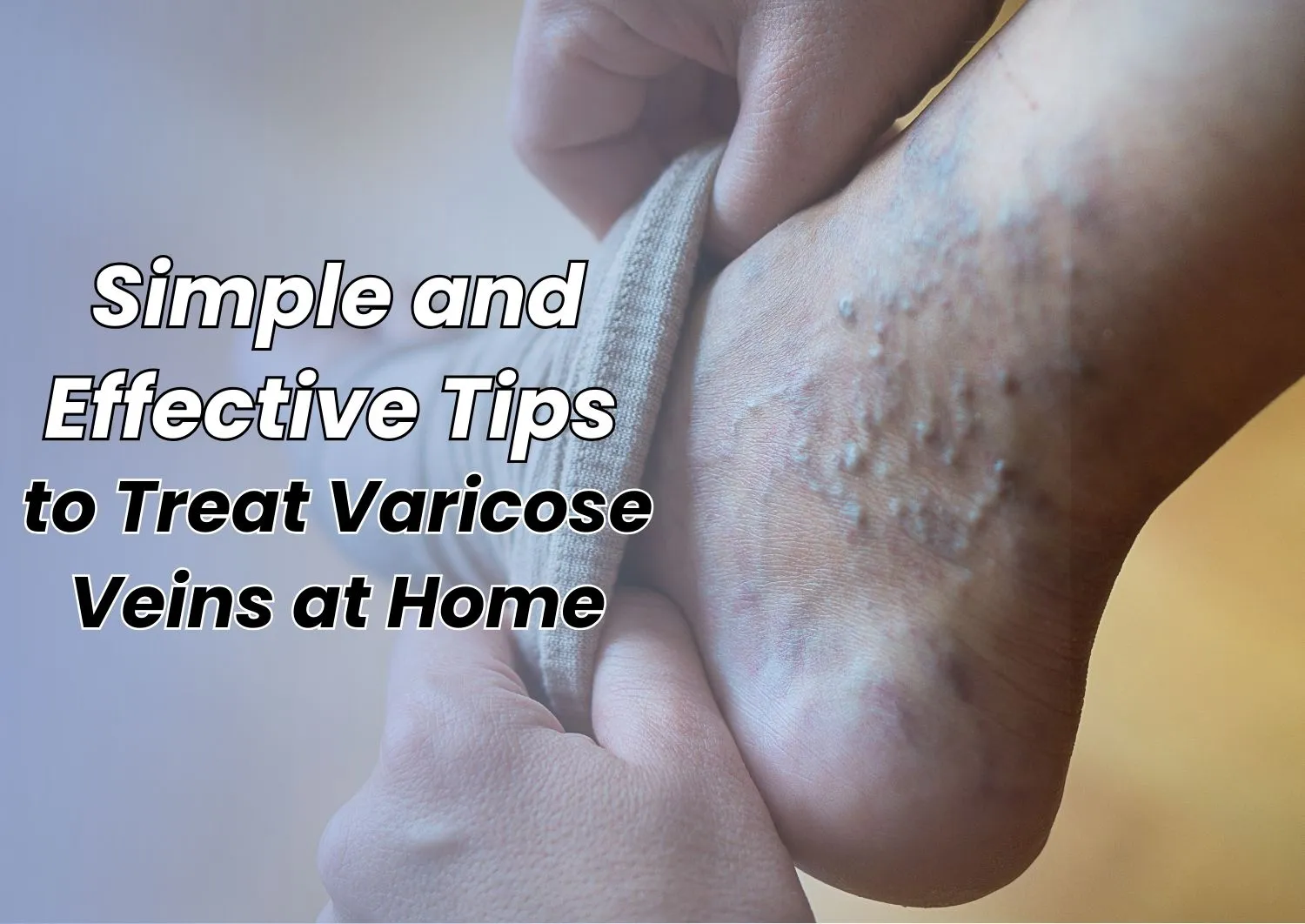
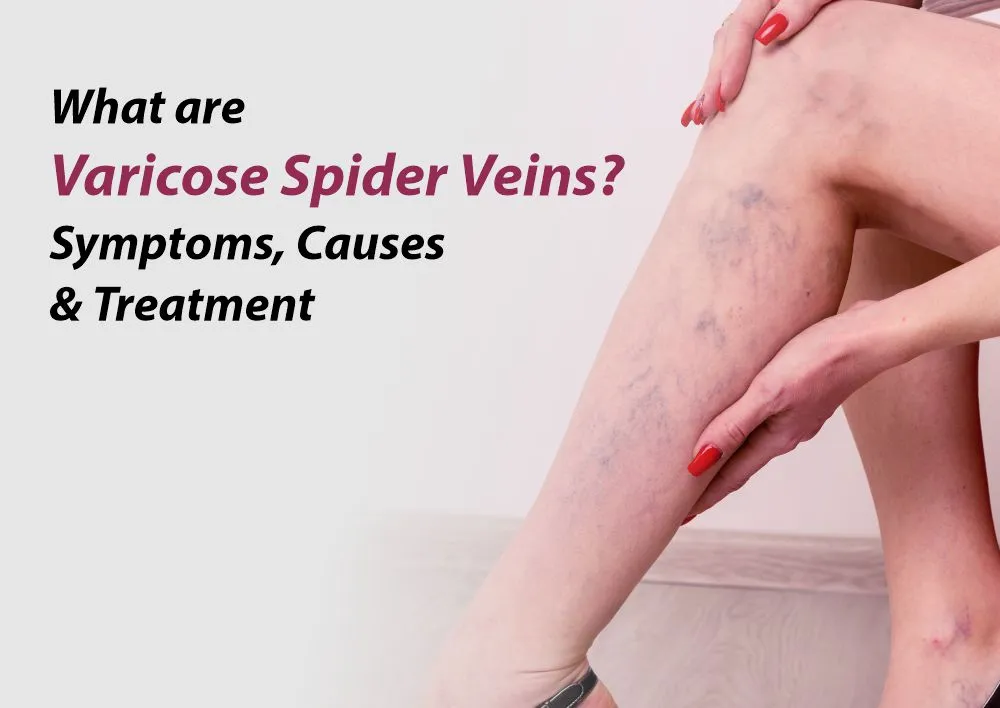
Varicose veins are enlarged, twisted, and swollen veins that commonly develop in the legs and feet. They usually appear blue, purple, or dark in colour and become visible beneath the skin. This condition occurs when the valves inside the veins become weak or damaged, affecting normal blood circulation towards the heart.
When these valves fail to function properly, blood starts accumulating in the veins, causing them to enlarge and become prominent. Common symptoms include leg pain, heaviness, swelling, itching, muscle cramps, and discomfort, particularly after prolonged standing or sitting.
If left untreated, varicose veins may lead to complications such as skin discolouration, inflammation, bleeding, and venous ulcers. Early diagnosis and appropriate treatment can help relieve symptoms, improve circulation, and reduce the risk of complications.
Experiencing persistent leg pain, swelling, or visible enlarged veins? Consider consulting a general surgeon near you in Gurgaon at Miracles Healthcare for varicose veins evaluation and treatment.
Varicose veins can cause different symptoms depending on their severity and the extent of venous involvement. Some people may not experience discomfort, while others may notice symptoms that worsen after prolonged standing or sitting.
Common symptoms of varicose veins include:
Visible Enlarged Veins: Twisted, swollen, or bulging veins that appear blue, purple, or dark beneath the skin, particularly on the legs.
Leg Pain or Aching: A persistent aching or throbbing sensation in the affected legs, especially after standing for long periods.
Heaviness in Legs: A feeling of heaviness, tiredness, or discomfort in the lower legs.
Swelling: Swelling around the ankles and feet, which may become more noticeable towards the end of the day.
Itching Around Veins: Itchy or irritated skin around the affected veins.
Muscle Cramps: Leg cramps, particularly at night or after prolonged physical activity.
Skin Changes: Darkening, dryness, or thickening of the skin around the ankles.
Restlessness in Legs: An uncomfortable sensation in the legs that may become more noticeable during periods of inactivity.
The intensity of symptoms may vary from person to person. Persistent swelling, skin changes, or discomfort should be medically evaluated.
Varicose veins primarily develop due to weakened vein walls or malfunctioning valves that interfere with normal blood circulation.
The veins in the legs work against gravity to carry blood back towards the heart. Small valves inside these veins open to allow blood to flow upwards and close to prevent it from flowing backwards. When these valves become weak or damaged, blood may collect in the veins, increasing pressure and causing them to enlarge.
Common causes of varicose veins include:
Weak or Damaged Vein Valves: When the valves do not close properly, blood flows backwards and accumulates inside the veins.
Poor Blood Circulation: Increased pressure in the leg veins can affect normal blood flow and contribute to vein enlargement.
Weak Vein Walls: Reduced elasticity or weakness in the vein walls can make them more susceptible to stretching and enlargement.
Hormonal Changes: Hormonal fluctuations, particularly during pregnancy and menopause, may affect vein walls and circulation.
Pregnancy: Increased blood volume, hormonal changes, and pressure from the growing uterus can place additional strain on the leg veins.
Chronic Venous Insufficiency: This condition occurs when the veins have difficulty returning blood efficiently to the heart, leading to increased pressure in the lower limbs.
Varicose veins are generally diagnosed through a physical examination and imaging tests that help assess blood flow and the functioning of vein valves.
A doctor may evaluate the appearance of the affected veins, associated symptoms, medical history, and possible risk factors before recommending further investigations.
Common diagnostic methods include:
Physical Examination: The doctor examines the legs while the patient is standing or sitting to identify enlarged veins, swelling, skin changes, and areas of discomfort.
Medical History Assessment: The doctor reviews the patient's symptoms, family history, previous blood clots, pregnancy history, occupation, and lifestyle habits to understand possible contributing factors.
Doppler Ultrasound: A Doppler ultrasound is a non-invasive imaging test used to assess blood flow through the veins. It helps identify faulty valves, blood flow abnormalities, and possible blood clots.
Duplex Ultrasound: Duplex ultrasound combines conventional ultrasound imaging with Doppler technology. It provides information about vein structure, blood circulation, and valve function.
This investigation is commonly used to identify the extent of venous reflux and help plan appropriate treatment.
Additional Investigations: In selected cases, the doctor may recommend further vascular imaging or investigations, particularly when there is suspicion of deep vein thrombosis or more complex venous disease.
Accurate diagnosis helps determine the severity of the condition and whether conservative management or a medical procedure is required.
Varicose veins treatment depends on the severity of the condition, the symptoms experienced, the extent of venous damage, and the patient's overall health. While mild cases may be managed with lifestyle changes and compression therapy, more advanced cases may require minimally invasive procedures or surgery.
The primary goals of treatment are to improve blood circulation, relieve discomfort, manage visible veins, and prevent complications.
Common treatment options for varicose veins include:
Compression Stockings: Compression stockings apply controlled pressure to the legs, helping blood flow towards the heart. They may help reduce swelling, heaviness, and discomfort. The type and compression level should be recommended by a doctor.
Lifestyle Modifications: For individuals with mild varicose veins, lifestyle changes may help manage symptoms and improve circulation. These include regular walking, maintaining a healthy weight, avoiding prolonged standing or sitting, and elevating the legs while resting.
Sclerotherapy: Sclerotherapy is a minimally invasive procedure in which a specialised solution is injected into the affected veins. The solution causes the treated veins to close gradually, allowing blood to flow through healthier veins. It is commonly used for smaller varicose veins and certain spider veins.
Endovenous Laser Ablation (EVLA): Endovenous laser ablation is a minimally invasive treatment that uses laser energy to close the affected vein. A thin laser fibre is inserted into the vein through a small puncture, and heat is used to seal it. Blood is then redirected through healthier veins. This procedure is commonly performed for suitable cases of larger varicose veins.
Radiofrequency Ablation (RFA): Radiofrequency ablation uses controlled heat generated through radiofrequency energy to close the affected vein. A thin catheter is inserted into the vein, and the treated vein slowly seals. It is a minimally invasive option for managing venous reflux in appropriately selected patients.
Surgical Treatment (Vein Ligation and Stripping): In certain advanced or complex cases, surgical treatment may be recommended. Vein ligation and stripping involves tying off and removing the affected superficial veins through small incisions.
The choice between surgery and minimally invasive procedures depends on ultrasound findings, vein anatomy, symptoms, and the patient's overall health.
Certain factors can increase the likelihood of developing varicose veins by affecting vein walls, valve function, and blood circulation.
Common risk factors include:
Increasing Age: Vein walls and valves may become weaker with age, increasing the risk of varicose veins.
Family History: Individuals with a family history of varicose veins may have a higher likelihood of developing the condition.
Gender: Women are more likely to develop varicose veins, partly due to hormonal changes.
Pregnancy: Increased blood volume, hormonal fluctuations, and pressure on pelvic veins can contribute to varicose veins.
Obesity: Excess body weight increases pressure on the veins in the lower body.
Prolonged Standing or Sitting: Jobs that involve remaining in one position for extended periods may contribute to poor venous circulation.
Lack of Physical Activity: Limited movement reduces the effectiveness of calf muscles in supporting blood flow towards the heart.
Hormonal Changes: Hormonal fluctuations associated with pregnancy, menopause, or certain hormone-based medications may influence vein function.
Having these risk factors does not necessarily mean a person will develop varicose veins. However, individuals with multiple risk factors should pay attention to persistent leg discomfort, swelling, or visible changes in their veins.
Although varicose veins cannot always be prevented, certain lifestyle habits may help support healthy blood circulation and reduce pressure on the leg veins.
Consider the following preventive measures:
Stay Physically Active: Walking, cycling, swimming, and other low-impact activities help improve circulation and strengthen calf muscles.
Avoid Sitting or Standing for Long Periods: Change positions regularly and take short walking breaks to support blood flow.
Maintain a Healthy Weight: Managing body weight helps reduce unnecessary pressure on the veins in the legs.
Elevate Your Legs: Raise your legs while resting to help blood return towards the heart and reduce swelling.
Wear Comfortable Clothing: Avoid clothing that is excessively tight around the waist or groin if it causes discomfort or restricts circulation.
Follow a Balanced Diet: Include fibre-rich foods, fruits, vegetables, and adequate fluids to support overall vascular health and prevent constipation.
Exercise Your Calf Muscles: Simple ankle movements, calf raises, and regular walking help activate the muscles that support venous blood flow.
Use Compression Stockings When Recommended: Individuals at increased risk or those experiencing symptoms may benefit from medically recommended compression stockings.
These measures may help reduce symptoms and support circulation, but they cannot reverse damaged vein valves or eliminate established varicose veins.
Occasional leg tiredness may occur due to prolonged activity, but persistent discomfort, swelling, or visible changes in the veins should not be ignored.
Consider consulting a general surgeon near you if you experience:
Prominent, twisted, or enlarged veins in your legs.
Persistent pain, heaviness, or tiredness in the legs.
Recurrent swelling around the ankles or feet.
Itching, dryness, or skin discolouration near the affected veins.
Muscle cramps that frequently disturb your sleep.
Skin thickening or sores around the ankles.
Bleeding from a varicose vein.
Seek immediate medical attention if:
A vein starts bleeding, particularly if the bleeding does not stop with direct pressure.
You develop sudden swelling, pain, warmth, or redness in one leg, which may indicate a blood clot.
You experience sudden breathlessness, chest pain, or coughing up blood, as these may indicate a pulmonary embolism and require emergency care.
Timely medical evaluation can help identify the underlying venous problem and determine whether treatment is necessary.
Miracles Healthcare, a trusted multispecialty hospital in Gurgaon, has been providing quality healthcare services, including varicose veins treatment, since 2002. The care is supported by a team of experienced general surgeons who focus on accurate diagnosis and appropriate treatment planning. With access to advanced diagnostic facilities and modern treatment techniques, the hospital offers evaluation and management of varicose veins based on each patient's condition and medical needs. Whether you are experiencing leg pain, swelling, heaviness, or visibly enlarged veins, timely medical consultation can help prevent complications and improve your quality of life.
Comprehensive Care for Your Health
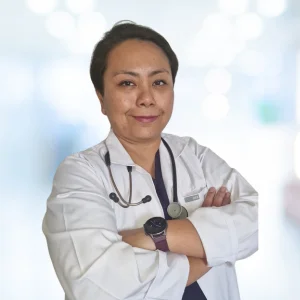
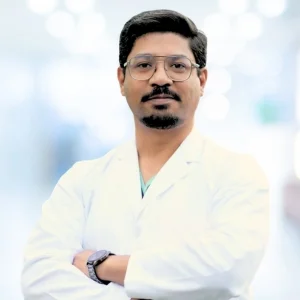
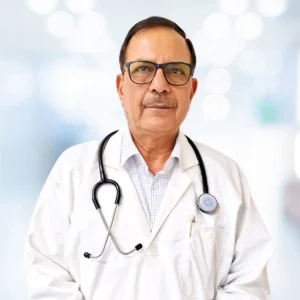
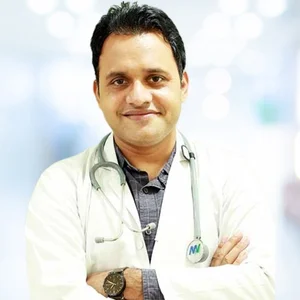
Meet our expert team of General Surgery Doctors where compassionate care meets expertise.

Inspiring Journeys: True Patient Stories

Thanks Mr. Nedrat Abdul for your grateful words fo...

Watch what one of our patient Mrs. Maria Amelin Ma...

Mr. Aadarsh Kumar - Patient Testimonial for Matern...

Our team at Miracles Healthcare takes extra care o...
Miracles Healthcare is a leading multispeciality hospital in Gurgaon. We are committed to providing comprehensive and high-quality medical care across all specialties under one roof.


Learn about the world class health care we provide
Source for Expert Advice and Health Tips

Learn about the world class health care we provide
Varicose veins can be effectively treated, but complete permanent prevention of recurrence cannot be guaranteed, as new veins may become affected over time.
Endovenous laser ablation (EVLA) and radiofrequency ablation (RFA) are commonly recommended treatments for suitable patients with venous reflux. The choice depends on ultrasound findings and vein anatomy.
Modern minimally invasive options include endovenous laser ablation, radiofrequency ablation, and non-thermal vein closure techniques. The appropriate option depends on individual assessment.
In Gurgaon, varicose vein treatment may cost approximately Rs. 30,000 to Rs. 1,50,000 or more, depending on the severity, treatment technique, diagnostic tests, and hospital facilities. A specialist consultation and Doppler ultrasound help determine the appropriate treatment and estimated cost.
Treatment of affected veins, maintaining a healthy weight, regular exercise, and avoiding prolonged standing may help manage the condition, but recurrence cannot always be prevented.
Minimally invasive treatments such as laser ablation, radiofrequency ablation, and sclerotherapy can treat suitable varicose veins without conventional open surgery.


