

How to Increase Hemoglobin in a Week During Pregnancy: A Practical Guide

- Why Hemoglobin Matters During Pregnancy
- Normal Hemoglobin Levels During Pregnancy
- How to Increase Hemoglobin in a Week During Pregnancy
- Sample 1-Day Diet Plan to Boost Hemoglobin
- Lifestyle Tips to Boost Hemoglobin Faster
- When to Consult a Doctor
- Quick Summary: How to Increase Hemoglobin in a Week
- Why Choose Miracles Healthcare for Your Pregnancy Care?
- Book a Consultation with Our Gynaecology & Nutrition Experts
Summary
Low hemoglobin during pregnancy is more common than many women realise, and it can leave you feeling tired, weak, and breathless. If your recent blood test has flagged low haemoglobin levels and you're wondering how to increase hemoglobin in a week during pregnancy, the good news is that small, consistent changes in your diet and lifestyle can show noticeable improvement quickly.
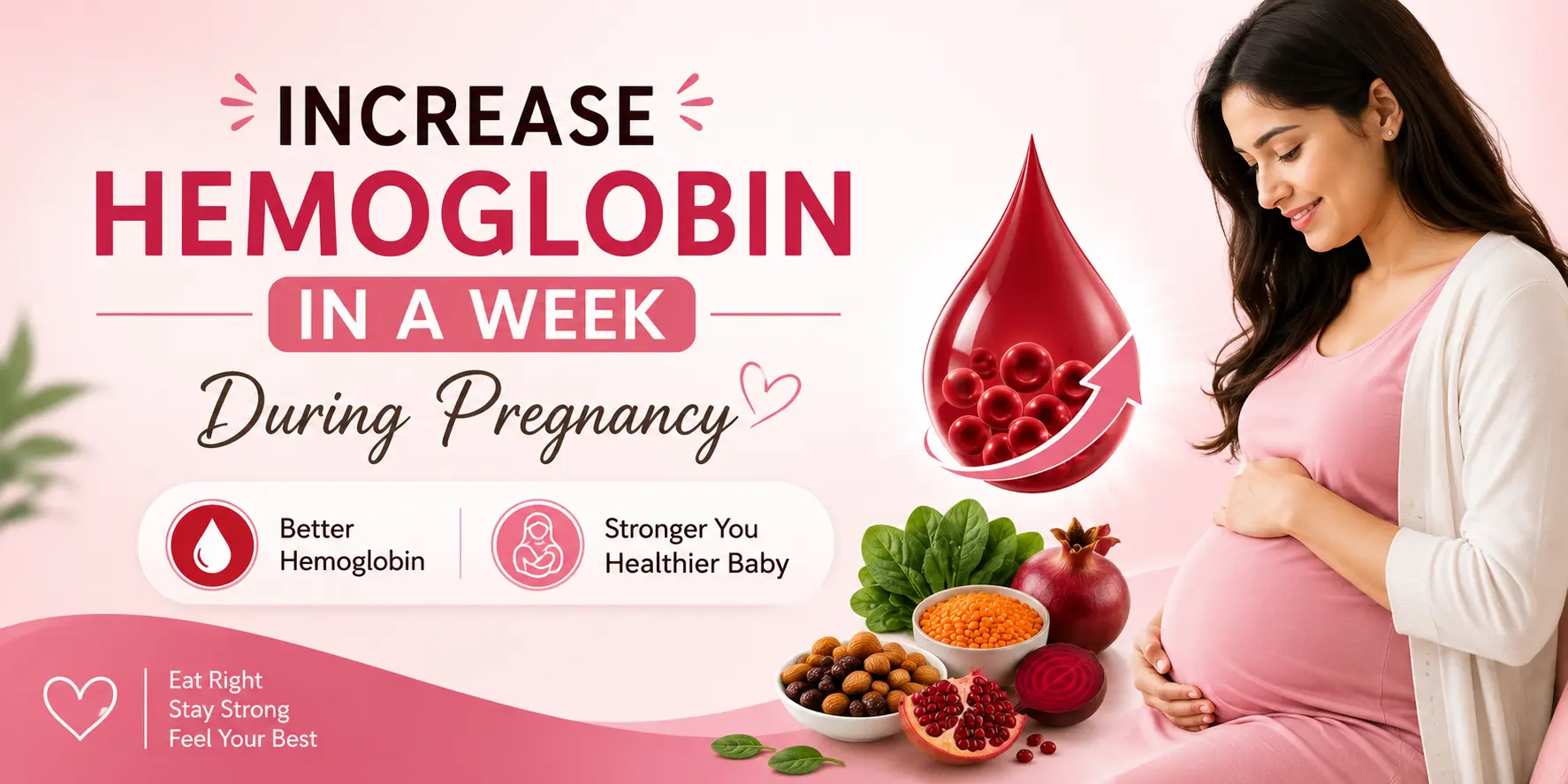
To raise haemoglobin in a week, focus on iron-rich foods (spinach, beetroot, pomegranate, dates, jaggery, lentils), vitamin C sources (oranges, lemon, amla), prescribed iron supplements, and avoid tea or coffee with meals. Always follow your gynaecologist's guidance for safe and effective results.
For more than two decades, Miracles Healthcare has been Gurgaon's go-to neighbourhood family hospital for safe, expert-led maternity care. Our gynaecologists, dieticians, and in-house diagnostic team work together to help expectant mothers maintain healthy haemoglobin levels throughout pregnancy.
Why Hemoglobin Matters During Pregnancy
Hemoglobin is the protein in red blood cells that carries oxygen to your body and your baby. During pregnancy, your blood volume increases by nearly 50%, which means your body needs more iron to produce enough haemoglobin.
Low haemoglobin (anaemia) during pregnancy can lead to:
-
Constant fatigue and weakness
-
Dizziness and shortness of breath
-
Pale skin and brittle nails
-
Increased risk of preterm delivery
-
Low birth weight in babies
-
Excessive blood loss during delivery
-
Slower postnatal recovery
This is why maintaining healthy haemoglobin levels is critical for both mother and baby.
Normal Hemoglobin Levels During Pregnancy
|
Trimester |
Normal Hb Range |
|
First Trimester |
11.0 – 14.0 g/dL |
|
Second Trimester |
10.5 – 14.0 g/dL |
|
Third Trimester |
11.0 – 14.0 g/dL |
A haemoglobin level below 11 g/dL is generally considered low during pregnancy and may need medical attention.
How to Increase Hemoglobin in a Week During Pregnancy
Raising haemoglobin quickly is possible with the right combination of diet, supplements, and lifestyle habits. Here's a practical 7-day plan to follow:
1. Eat Iron-Rich Foods Every Day
Include both heme iron (from animal sources) and non-heme iron (from plant sources) in your meals.
Iron-rich foods to include:
-
Spinach, methi, and other leafy greens
-
Beetroot and carrots
-
Pomegranate and apples
-
Dates, raisins, and figs
-
Jaggery (gur)
-
Black sesame seeds (til)
-
Pumpkin seeds and sunflower seeds
-
Whole grains like ragi and bajra
-
Lentils, chickpeas, and rajma
-
Eggs, chicken, and fish (if non-vegetarian)
-
Liver (only with doctor's approval)
2. Pair Iron with Vitamin C
Vitamin C boosts iron absorption significantly. Add these to your meals:
-
Oranges and sweet lime (mosambi)
-
Lemon juice on salads or dals
-
Amla (Indian gooseberry)
-
Guava and papaya (only fully ripe and doctor-approved)
-
Strawberries and kiwi
-
Tomatoes and capsicum
A simple trick: squeeze lemon over your spinach or dal to enhance iron absorption.
3. Take Iron and Folic Acid Supplements
Your gynaecologist will likely prescribe iron and folic acid tablets, which are essential during pregnancy. For faster results:
-
Take them on an empty stomach or as advised
-
Pair with a vitamin C source (lemon water or orange juice)
-
Avoid tea, coffee, or milk for at least an hour before and after
4. Avoid Foods That Block Iron Absorption
Certain foods reduce iron absorption when taken with meals:
-
Tea and coffee (tannins)
-
Milk and dairy (calcium)
-
High-calcium supplements
-
Whole grains and bran (in excess due to phytates)
-
Aerated drinks
Space these out from your iron-rich meals and supplements.
5. Add Beetroot and Pomegranate Juice Daily
These are time-tested haemoglobin boosters. A glass of fresh beetroot-carrot-pomegranate juice daily can support quick improvement.
6. Cook in Iron Utensils
Cooking in a cast-iron pan or kadhai naturally adds small amounts of iron to your food, an old yet effective practice.
7. Stay Hydrated and Rest Well
Drink 8–10 glasses of water and get 7–9 hours of sleep. Rest helps your body produce red blood cells more efficiently.
Sample 1-Day Diet Plan to Boost Hemoglobin
|
Meal |
Foods |
|
Early Morning |
Soaked raisins + dates + 1 glass warm water with lemon |
|
Breakfast |
Vegetable poha with peanuts + 1 boiled egg + amla juice |
|
Mid-Morning |
1 pomegranate or a glass of beetroot-carrot juice |
|
Lunch |
Spinach dal + roti + brown rice + cucumber-tomato salad with lemon |
|
Evening Snack |
Roasted chana + jaggery + handful of pumpkin seeds |
|
Dinner |
Methi-paneer sabzi + bajra roti + curd (not with iron tablet) |
|
Bedtime |
1 date + 4–5 soaked almonds |
Follow this for 7 days, and you'll likely notice improvement in energy levels.
Lifestyle Tips to Boost Hemoglobin Faster
-
Take a 20-minute walk daily for better blood circulation
-
Practise prenatal yoga or breathing exercises
-
Limit stress, as it affects nutrient absorption
-
Avoid skipping meals
-
Eat small, frequent meals
-
Get sunlight exposure for natural vitamin D, which supports iron metabolism
When to Consult a Doctor
If your haemoglobin is significantly low (below 9 g/dL), home remedies alone may not be enough. Visit your gynaecologist if you experience:
-
Severe fatigue or fainting
-
Heart palpitations
-
Breathlessness even while resting
-
Cold hands and feet
-
Pale lips, gums, or eyelids
In some cases, doctors may recommend iron injections, IV iron therapy, or blood transfusion for severe anaemia. Timely diagnosis and treatment are key to a safe pregnancy.
Quick Summary: How to Increase Hemoglobin in a Week
|
Action |
Why It Helps |
|
Eat iron-rich foods |
Builds red blood cells |
|
Add vitamin C foods |
Boosts iron absorption |
|
Take prescribed supplements |
Quick correction of iron deficiency |
|
Avoid tea/coffee with meals |
Prevents iron blockage |
|
Drink beetroot-pomegranate juice |
Natural haemoglobin booster |
|
Rest and stay hydrated |
Supports red blood cell production |
Why Choose Miracles Healthcare for Your Pregnancy Care?
Miracles Healthcare is your trusted neighbourhood family hospital in Gurgaon, offering complete maternity care under one roof. From routine pregnancy check-ups to managing complications like anaemia, our team ensures you and your baby stay healthy at every stage.
What sets us apart:
-
150+ specialist doctors across maternity and allied departments
-
In-house pathology lab with reports in just 6 hours
-
NABH and NABL accredited for clinical accuracy and safety
-
Dedicated dieticians to plan pregnancy-friendly meals
-
Level III NICU with 24x7 neonatology support
-
Female radiologists for comfortable diagnostic care
-
Whatsapp report delivery for fast, easy access
-
Google rating of 4.9 reflects strong patient trust
We proudly serve families across Huda City Centre, Cyber City, Palam Vihar, Manesar, Sohna, and Old Gurgaon.
Book a Consultation with Our Gynaecology & Nutrition Experts
Worried about low haemoglobin during pregnancy? Get expert guidance from the maternity team at Miracles Healthcare for safe, science-backed care.
Call: 0124-4797600
WhatsApp / Mobile: 98209-65000
Visit: Miracles Apollo Cradle at Sector 14, Miracles Apollo Cradle/Spectra at Sector 82, Gurgaon, and Miracles Mediclinic at Sec 56
Written and Verified by:

Frequently Asked Questions
Eat iron-rich foods like spinach, beetroot, dates, jaggery, and lentils. Add vitamin C sources, take prescribed iron supplements, and avoid tea or coffee with meals.
Pomegranate, apples, oranges, and amla are excellent fruits for boosting haemoglobin quickly.
Yes, untreated low haemoglobin can lead to fatigue, preterm delivery, low birth weight, and complications during delivery.
No. Iron supplements should always be taken under your gynaecologist's guidance to avoid side effects or incorrect dosage.
Mild deficiency may improve within 1–2 weeks with diet and supplements. Severe cases may require IV iron therapy and a longer recovery.
Avoid tea, coffee, milk, and aerated drinks within an hour of your iron-rich meals or supplements.
You can visit Miracles Healthcare in Gurgaon for expert maternity care, in-house diagnostics, and personalised nutrition guidance.






Was the information useful?
0 0