



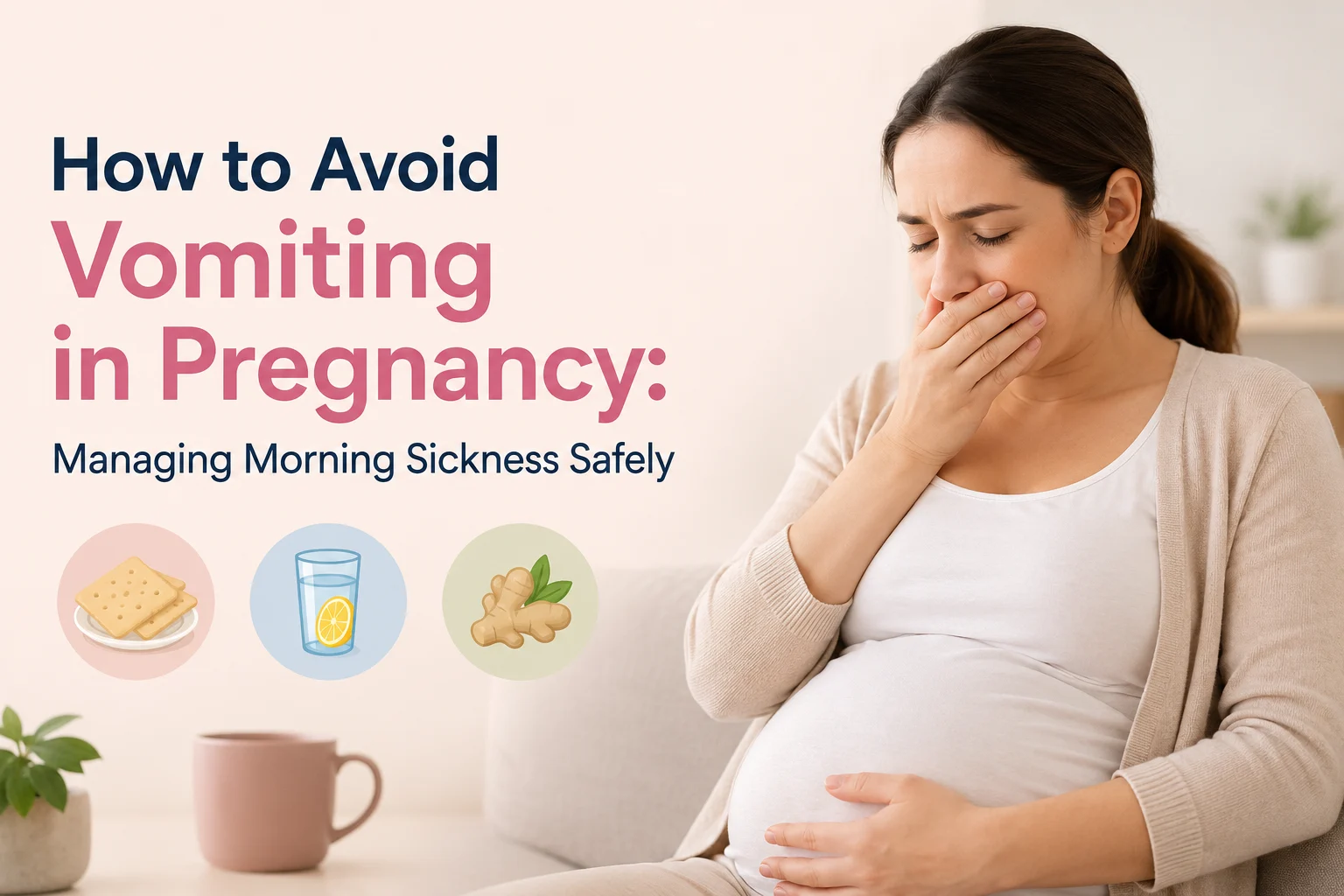
How to Avoid Vomiting in Pregnancy: Managing Morning Sickness Safely
Summary
Morning sickness is one of the most common pregnancy experiences, affecting nearly 70–80% of expecting mothers. While it usually signals a healthy pregnancy, the constant nausea and vomiting can leave you feeling drained and worried. If you're searching for how to avoid vomiting in pregnancy, the right combination of diet, lifestyle, and timely medical guidance can bring noticeable relief.
To reduce vomiting during pregnancy, try eating small, frequent meals, staying hydrated, avoiding strong smells, sipping ginger or lemon water, getting enough rest, and taking doctor-prescribed vitamin B6 supplements. Severe cases may need medical care to prevent dehydration and complications.
Pregnancy care at Miracles Healthcare in Gurgaon brings together experienced gynaecologists, in-house nutritionists, and 24x7 maternity support to help expecting mothers manage common discomforts like morning sickness with practical, evidence-based care.
What Is Morning Sickness?
Morning sickness refers to nausea and vomiting during pregnancy, which often begins around the 6th week and may continue until the 12th to 14th week. Despite its name, it can occur at any time of the day, not just in the morning.
For some women, it stays mild and manageable. For others, it can be persistent, intense, and exhausting.
What Causes Vomiting During Pregnancy?
Several factors contribute to pregnancy-related nausea and vomiting:
-
Rising hCG hormone levels in early pregnancy
-
Increased estrogen and progesterone affect digestion
-
Heightened sense of smell, making certain odours trigger
-
Sensitive stomach due to slower digestion
-
Low blood sugar from skipping meals
-
Stress, fatigue, and lack of sleep
-
Vitamin B6 deficiency
-
Carrying twins or multiples, which raises hormone levels further
Understanding the cause can help you choose the right relief approach.
When Does Vomiting in Pregnancy Start and Stop?
-
Starts: Around 4–6 weeks of pregnancy
-
Peaks: Between 8–11 weeks
-
Eases: By 12–14 weeks for most women
-
May continue: Throughout pregnancy in a small percentage of women
If vomiting becomes severe and persistent, it may indicate a condition called Hyperemesis Gravidarum, which needs medical attention.
How to Avoid Vomiting in Pregnancy: Practical Tips That Work
The good news is that morning sickness can be managed with simple, safe strategies. Here's how to reduce vomiting during pregnancy:
1. Eat Small, Frequent Meals
An empty stomach can worsen nausea. Eat 5–6 small meals throughout the day instead of three large ones.
2. Start Your Day Slowly
-
Keep dry crackers, biscuits, or toast by your bedside.
-
Eat something light before getting out of bed.
-
Get up slowly to avoid dizziness.
3. Stay Hydrated
Dehydration can intensify nausea. Sip on:
-
Plain water
-
Coconut water
-
Lemon water
-
Buttermilk
-
Electrolyte drinks (doctor-approved)
Sip slowly throughout the day rather than gulping large quantities at once.
4. Try Ginger in Safe Forms
Ginger is a well-known natural remedy for nausea. You can try:
-
Ginger tea
-
Fresh ginger slices in warm water
-
Ginger candies or lozenges
Always check with your gynaecologist before using ginger regularly.
5. Use Lemon for Quick Relief
The fresh scent and taste of lemon can ease nausea instantly:
-
Smell a freshly cut lemon
-
Add lemon to water or salads
-
Sip warm lemon water in the morning
6. Avoid Strong Smells and Triggers
Common nausea triggers include:
-
Strong perfumes and deodorants
-
Spicy or oily food
-
Cigarette smoke
-
Cooking smells
-
Excess caffeine
Identify your personal triggers and avoid them.
7. Eat Bland, Easy-to-Digest Foods
Stick to gentle foods such as:
-
Toast, khichdi, curd rice
-
Bananas and apples
-
Boiled potatoes
-
Plain rice and dal
-
Coconut water
-
Crackers and dry cereals
Avoid heavy, fried, or strongly spiced meals.
8. Get Enough Rest and Sleep
Fatigue makes nausea worse. Aim for:
-
7–9 hours of sleep
-
A short nap during the day
-
Reduced screen time before bed
9. Wear Comfortable, Loose Clothing
Tight waistbands and uncomfortable clothes can worsen nausea and bloating.
10. Take Prescribed Supplements
Your gynaecologist may recommend:
-
Vitamin B6 supplements
-
Doxylamine + B6 combinations
-
Anti-nausea medications, if needed
Avoid self-medication.
11. Try Acupressure Bands
Wrist acupressure bands (like Sea-Bands) are safe and effective for some women.
12. Practise Mindfulness and Breathing
Deep breathing, prenatal yoga, and meditation can calm both mind and stomach.
Sample Daily Routine to Manage Morning Sickness
|
Time |
What to Do |
|
Before getting up |
Eat a dry cracker or biscuit |
|
Breakfast (7–8 AM) |
Light toast, banana, lemon water |
|
Mid-morning (10 AM) |
Coconut water or curd |
|
Lunch (1 PM) |
Soft khichdi or rice with dal |
|
Evening snack (4 PM) |
Fruit + dry cereal |
|
Dinner (7–8 PM) |
Light meal like soup, roti, or porridge |
|
Bedtime |
Warm milk or chamomile tea (doctor-approved) |
Foods to Avoid for Nausea Relief
Some foods can worsen vomiting and should be limited:
-
Fried and oily foods
-
Heavily spiced curries
-
Caffeine and aerated drinks
-
Raw and undercooked foods
-
Strong-smelling cheeses
-
Processed and packaged snacks
-
Excess sweets and chocolates.
Home Remedies for Morning Sickness
Try these gentle, time-tested remedies:
-
Ginger tea for instant relief
-
Lemon water sipped slowly
-
Peppermint tea to soothe the stomach
-
Saunf (fennel seeds) chewed after meals
-
Tulsi leaves in warm water
-
Soaked raisins in the morning
-
Coconut water for hydration
Always consult your gynaecologist before trying new remedies.
When to Seek Medical Help
Mild nausea is normal, but contact your doctor if you experience:
-
Vomiting more than 4–5 times a day
-
Inability to keep food or fluids down
-
Weight loss
-
Dizziness or fainting
-
Dark-coloured urine or reduced urination
-
Severe weakness
-
Rapid heartbeat
-
Vomiting blood
These could be signs of Hyperemesis Gravidarum, which may require IV fluids, anti-nausea medication, or hospital admission for proper management.
Is Vomiting in Pregnancy Harmful for the Baby?
Mild to moderate vomiting is not harmful to your baby. The baby continues to receive nutrients from your body's reserves. However, severe, persistent vomiting can lead to dehydration and nutrient deficiency, which may affect your health and the baby's growth, making medical care essential.
Quick Summary: How to Avoid Vomiting in Pregnancy
|
Tip |
Why It Helps |
|
Eat small, frequent meals |
Prevents empty stomach nausea |
|
Sip fluids slowly |
Avoids dehydration |
|
Try ginger and lemon |
Natural anti-nausea remedies |
|
Avoid strong smells |
Reduces triggers |
|
Rest well |
Lowers fatigue-induced nausea |
|
Take the prescribed B6 |
Eases nausea safely |
|
Consult your doctor for severe cases |
Prevents complications |
Why Choose Miracles Healthcare for Pregnancy Care?
Miracles Healthcare is your neighbourhood family hospital in Gurgaon, offering personalised maternity care that goes beyond routine check-ups. From early pregnancy discomforts to safe delivery and postnatal recovery, our team supports you at every milestone.
What sets us apart:
-
150+ specialist doctors across maternity and allied departments
-
In-house dieticians and nutritionists for pregnancy meal planning
-
NABH-accredited maternity centres for safety and quality
-
Level III NICU with 24x7 neonatologists
-
24x7 emergency and obstetric support
-
Female radiologists for sensitive scans
-
Painless delivery options with Entonox support
-
Dedicated PROs for end-to-end pregnancy assistance
-
Google rating of 4.9 across thousands of patient reviews
Book a Consultation with Our Gynaecology Experts
Struggling with severe morning sickness or persistent vomiting? Don't suffer in silence. The maternity team at Miracles Healthcare is here to support you with safe, expert-led care.
Landline: 0124-4797600
WhatsApp / Mobile: 98209-65000
Our Locations in Gurgaon:
Miracles Apollo Cradle Hospital SCO 1, 2 & 3, Delhi Road, Sector 14, Gurugram, Haryana 122007 Baby Delivery, High-Risk Pregnancy Care, Level III NICU, Gynae & Multi-Specialty Surgeries
0124-4797600
Miracles Mediclinic SCO 1, 2 & 3, Sector 14, Gurugram, Haryana 122007 Consultations, Diagnostics, Lab Tests, Health Checks
0124-4797600
Miracles Mediclinic SCO 68-69, More Market, Block B, Sector 56, Gurugram, Haryana 122011 Consultations, Diagnostics, Lab Tests, Health Checks, MRI & CT Scans
906-906-8800
Miracles Apollo Cradle / Spectra Plot No. 45, Vatika India Next, Sector 82, Gurugram, Haryana 122012 Baby Delivery, High-Risk Pregnancy Care, Level III NICU, Multi-Specialty Surgeries, Diagnostics, MRI & CT Scans
0124-352-8282
Written and Verified by:

Frequently Asked Questions
Eat small, frequent meals, sip lemon or ginger water, avoid strong smells, get enough rest, and stay hydrated to reduce vomiting naturally.
Morning sickness usually starts around the 6th week of pregnancy, peaks at 8–11 weeks, and eases by 12–14 weeks for most women.
Mild vomiting is not harmful. However, severe, persistent vomiting can lead to dehydration and requires medical care.
Bland foods like toast, khichdi, bananas, curd rice, coconut water, and dry cereals are gentle on the stomach and help reduce nausea.
It is a severe form of pregnancy vomiting that causes dehydration, weight loss, and weakness. It often requires hospital care and IV fluids.
Yes, in moderate amounts, ginger and lemon are considered safe and effective for managing morning sickness. Always consult your doctor first.
You can visit Miracles Healthcare in Sector 14, Sector 56, or Sector 82, Gurgaon for expert maternity care, in-house diagnostics, and personalised pregnancy support.






Was the information useful?
0 0