

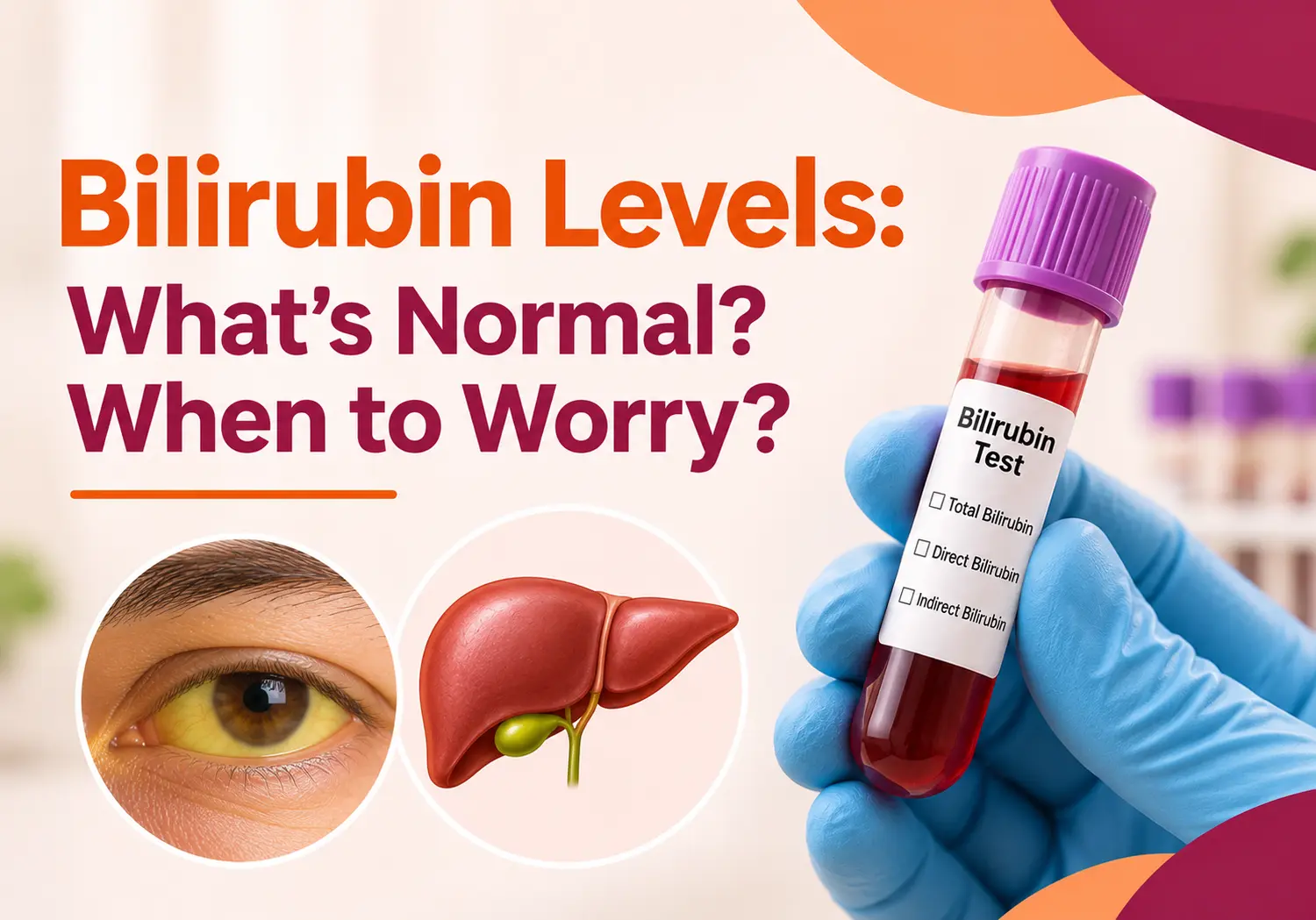
Understanding Bilirubin Levels: What is Normal and When to Worry?

- What are the Normal Total Bilirubin Levels?
- What are Direct, Indirect, and Total Bilirubin?
- What Does a High Bilirubin Level Mean?
- What are the Symptoms of High Bilirubin Levels?
- How Can High Bilirubin Levels Be Managed?
- How is a Bilirubin Blood Test Performed?
- When Should You Consult a Doctor About Bilirubin Levels?
- Understand Your Bilirubin Levels With Appropriate Medical Guidance
- Bilirubin Testing at Miracles Healthcare, Gurgaon
Summary
-
The normal total bilirubin level for most adults is about 0.0–1.2 mg/dL, though lab reference ranges may vary.
-
Total bilirubin includes direct (conjugated) and indirect (unconjugated) bilirubin.
-
High bilirubin levels may result from liver conditions, increased red blood cell breakdown, Gilbert syndrome, bile duct obstruction, or certain medications.
-
Common symptoms of elevated bilirubin include jaundice, dark urine, pale stools, itching, abdominal discomfort, fatigue, and loss of appetite.
-
Low bilirubin levels are generally not considered a significant medical concern.
-
A bilirubin blood test is commonly performed as part of a liver function test (LFT) to assess bilirubin levels and help investigate potential health conditions.
-
Managing high bilirubin depends on its underlying cause. Staying hydrated, eating a balanced diet, and avoiding unverified remedies can support general health but do not replace medical treatment.
-
Bilirubin levels can return to normal when the underlying cause resolves or receives appropriate treatment. Identifying the cause is essential for effective management.
-
Miracles Healthcare, Gurgaon offers 2000+ lab tests, including routine and specialised tests, to help you assess your health and support the timely investigation of medical concerns.
-
Consult a healthcare professional if your bilirubin level is abnormal or you experience jaundice, persistent abdominal pain, or other concerning symptoms. Newborn jaundice requires prompt, age-specific assessment.
Bilirubin is a yellow pigment produced when the body breaks down old red blood cells. The liver processes bilirubin and helps remove it from the body through bile. Measuring bilirubin levels in the blood can help doctors assess liver function and investigate certain liver, bile duct, and blood-related conditions.
If you have recently undergone a liver function test (LFT), you may be wondering whether your results fall within the normal total bilirubin range. Understanding your report can help you recognise what your results may mean and when further medical evaluation is necessary.
For most adults, the normal total bilirubin level is approximately 0.0–1.2 mg/dL, although reference ranges may vary between laboratories. An elevated result does not always indicate a serious condition, but it should be interpreted alongside your symptoms, medical history, and other test results.
In this blog, we will discuss normal bilirubin levels, the difference between direct and indirect bilirubin, common causes of abnormal results, and the warning signs that should not be ignored.
What are the Normal Total Bilirubin Levels?
Total bilirubin measures the combined amount of direct and indirect bilirubin in your blood. It is commonly included in liver function tests (LFTs) to help investigate potential problems affecting the liver, bile ducts, or red blood cells.
For most adults, the typical total bilirubin reference range is approximately 0.0–1.2 mg/dL. However, the exact range may differ depending on the laboratory and the testing method used.
Total Bilirubin Normal Range by Age
|
Age group |
Bilirubin level interpretation |
|
Adults |
Typically 0.0–1.2 mg/dL for total bilirubin |
|
Children |
Typically less than 1.0 mg/dL |
|
Newborns |
Typically less than 1.2 mg/dL |
These values are general reference points rather than universal diagnostic cut-offs. Always compare your result with the reference range printed on your laboratory report.
Newborns require special consideration because bilirubin levels commonly rise during the first few days after birth. A level that is acceptable for one baby may require treatment in another, depending on the baby’s age in hours, gestational age, and other risk factors. Newborn bilirubin results must therefore be assessed using age-specific clinical guidelines rather than adult reference ranges.
According to Dr. Karabi Roy, Senior Pathologist in Gurgaon at Miracles Healthcare, “Bilirubin levels should always be interpreted in the context of a patient’s age, symptoms, and other laboratory findings. An abnormal result does not always indicate a serious condition, but it should be evaluated appropriately to identify the underlying cause.”
What are Direct, Indirect, and Total Bilirubin?
A bilirubin blood test may report total bilirubin and its two components: direct and indirect bilirubin. Understanding these measurements can help explain why a result may be abnormal.
-
Total Bilirubin: Total bilirubin represents the combined concentration of direct and indirect bilirubin in the blood. It helps doctors investigate conditions affecting red blood cell breakdown, liver processing, or bile flow.
-
Direct Bilirubin: Direct bilirubin, also known as conjugated bilirubin, is bilirubin that has been processed by the liver and made water-soluble. It is normally transported into bile for removal from the body. Elevated direct bilirubin may occur when the liver cannot adequately excrete bilirubin or when bile flow is obstructed. Possible causes include liver inflammation, bile duct obstruction, and certain liver or biliary disorders.
-
Indirect Bilirubin: Indirect bilirubin, also called unconjugated bilirubin, forms when red blood cells break down. It travels through the bloodstream attached to albumin before being processed by the liver. Higher indirect bilirubin levels may be associated with increased red blood cell destruction, inherited conditions such as Gilbert syndrome, or reduced efficiency of bilirubin processing.
Dr. Karabi Roy explains, “Evaluating direct and indirect bilirubin levels alongside total bilirubin helps doctors better understand the possible cause of abnormal results and determine whether further investigations are needed.”
Doctors interpret these measurements together with other findings to decide whether additional blood tests or imaging may be necessary.
What Does a High Bilirubin Level Mean?
A bilirubin result above the laboratory’s reference range is known as hyperbilirubinemia. It can occur when the body produces more bilirubin than usual, the liver cannot process or excrete it effectively, or bile cannot flow normally through the bile ducts.
The significance of a high bilirubin level depends on how elevated the result is, whether direct or indirect bilirubin is increased, and whether other symptoms or abnormal test results are present.
Common Causes of High Bilirubin Levels
-
Liver conditions: Conditions such as viral hepatitis, alcohol-associated liver disease, and other forms of liver inflammation can interfere with bilirubin processing and excretion.
-
Increased breakdown of red blood cells: When red blood cells break down faster than usual, they release additional bilirubin into the bloodstream. This can occur in certain haemolytic disorders.
-
Gilbert syndrome: Gilbert syndrome is a common inherited condition in which the liver processes bilirubin less efficiently. It may cause mild, intermittent increases in indirect bilirubin, particularly during fasting, dehydration, illness, or physical stress. It is generally harmless, but an unexplained elevation should be assessed before it is attributed to this condition. Dr. Karabi Roy explains, “High bilirubin levels can have several underlying causes, so understanding the pattern of the test results and evaluating associated symptoms are important for identifying the right course of care.”
-
Bile duct obstruction: Gallstones and other conditions that obstruct bile flow can cause bilirubin to accumulate in the bloodstream. Direct bilirubin may increase, and symptoms can include dark urine, pale stools, abdominal pain, and yellowing of the skin or eyes.
-
Certain medications: Some medicines can affect liver function or bilirubin metabolism. Inform your doctor about all prescription medicines, over-the-counter products, and supplements you take. Do not stop prescribed medication without medical advice.
What are the Symptoms of High Bilirubin Levels?
An elevated bilirubin level does not always cause noticeable symptoms. However, when bilirubin accumulates in the bloodstream, it may cause jaundice, which makes the skin and the whites of the eyes appear yellow.
Other symptoms may include:
-
Dark-coloured urine: May occur when direct bilirubin levels are elevated.
-
Pale or clay-coloured stools: Can indicate reduced bile flow into the intestines.
-
Itching: Some liver and bile duct conditions can cause persistent skin itching.
-
Abdominal discomfort or pain: May occur when an underlying condition affects the liver, gallbladder, or bile ducts.
-
Nausea or vomiting: Can accompany certain liver or biliary conditions.
-
Fatigue or weakness: May occur alongside underlying conditions associated with elevated bilirubin.
-
Loss of appetite: Can accompany liver-related illness and other health problems.
These symptoms can have several causes, and their presence alone cannot establish a diagnosis. A doctor may recommend bilirubin testing and other investigations to determine the underlying cause.
Consult a general physician near you if yellowing of the skin or eyes occurs with fever, severe abdominal pain, persistent vomiting, confusion, or unusual drowsiness. These symptoms may indicate a condition that requires prompt assessment.
How Can High Bilirubin Levels Be Managed?
There is no single treatment for every case of elevated bilirubin. The appropriate approach depends on the underlying cause. For example, bilirubin elevation associated with Gilbert syndrome requires a different approach from an elevation caused by bile duct obstruction or liver inflammation.
The following measures can support general health, but they do not replace medical evaluation or treatment when needed.
-
Stay adequately hydrated: Drink enough water throughout the day, particularly during hot weather or when you are unwell.
-
Eat a balanced diet: Include vegetables, fruits, whole grains, and appropriate sources of protein as part of a varied diet.
-
Avoid excessive alcohol consumption: Alcohol can contribute to liver injury. If you have a liver condition, ask your doctor whether you should avoid alcohol completely.
-
Review your medications: Some medicines and supplements can affect liver function. Discuss potential risks with your healthcare provider before making changes.
-
Avoid unverified remedies: Do not rely on detox drinks, herbal products, or home remedies to lower bilirubin without professional guidance.
-
Follow medical advice: Attend recommended follow-up appointments and complete any additional tests your doctor considers necessary.
Dr. Karabi Roy says, “Managing elevated bilirubin begins with identifying its underlying cause through appropriate clinical evaluation and laboratory testing. Lifestyle changes may support overall health, but targeted medical treatment may be necessary depending on the diagnosis.”
Bilirubin levels may return to normal when the underlying cause resolves or receives appropriate treatment. The time required for recovery varies according to the condition responsible for the elevation.
How is a Bilirubin Blood Test Performed?
A bilirubin blood test measures the amount of bilirubin circulating in your bloodstream. It is commonly ordered as part of a liver function test or when a doctor suspects jaundice, liver disease, or a problem affecting bile flow.
The test generally involves three steps:
-
Blood sample collection: A healthcare professional collects a small blood sample from a vein, usually in your arm.
-
Laboratory analysis: The sample is analysed to measure total bilirubin and, when required, direct and indirect bilirubin.
-
Result interpretation: Your doctor compares the results with the laboratory’s reference range and considers your symptoms, medical history, and other test findings.
Fasting is not always necessary for a bilirubin test alone. However, if your doctor has ordered additional blood tests, you may need to follow specific preparation instructions. Check with your healthcare provider or laboratory before the test.
When Should You Consult a Doctor About Bilirubin Levels?
Consult an internal medicine doctor near you if your bilirubin result is above the laboratory’s reference range, particularly if the elevation persists or is accompanied by other abnormal liver test results.
Medical evaluation is especially important if you experience:
-
Yellowing of the skin or eyes, which may indicate jaundice.
-
Dark urine or pale stools, which may indicate changes in bilirubin processing or bile flow.
-
Persistent itching without an obvious cause.
-
Abdominal pain, particularly when accompanied by fever, nausea, or vomiting.
-
Unexplained fatigue or loss of appetite alongside other concerning symptoms.
Depending on your symptoms and initial results, your doctor may recommend additional investigations, such as liver enzyme tests, a complete blood count (CBC), urine testing, or abdominal imaging.
Important Note: Newborn jaundice requires prompt, age-specific assessment. Seek medical advice promptly if your baby develops yellow skin or eyes. Poor feeding, unusual sleepiness, difficulty waking, or worsening jaundice requires urgent medical attention.
Bilirubin levels in newborns must be interpreted according to age in hours, gestational age, and individual risk factors. Adult reference ranges should never be used to determine whether a newborn’s bilirubin level is safe.
Understand Your Bilirubin Levels With Appropriate Medical Guidance
Understanding bilirubin levels can help you interpret an important part of your liver function test. For most adults, the typical total bilirubin reference range is approximately 0.0–1.2 mg/dL, although the range may vary between laboratories.
Elevated bilirubin can be associated with liver conditions, increased red blood cell breakdown, bile duct obstruction, or certain inherited conditions. However, an abnormal result does not automatically mean that you have a serious illness. The result must be considered alongside your symptoms, medical history, and other test findings.
If your bilirubin level is abnormal or you experience symptoms such as jaundice, dark urine, pale stools, or persistent abdominal pain, consult a qualified healthcare professional for appropriate evaluation and guidance.
Bilirubin Testing at Miracles Healthcare, Gurgaon
Miracles Healthcare, Gurgaon, is a multispeciality hospital with an in-house, 24x7 NABL-accredited pathology laboratory offering 2,000+ laboratory tests, including routine and specialised investigations. Supported by a team of pathologists, microbiologists, laboratory technicians, and phlebotomists, the laboratory helps support the accurate assessment of a wide range of health concerns.
With a team of 150+ multispecialists, the hospital enables patients to access a range of medical consultations and diagnostic services under one roof. Its centres in Sector 14, Sector 56, and Sector 82, Gurgaon, make healthcare services accessible across multiple locations in the city.
If you need a bilirubin blood test or have questions about your liver function test results, call 906-906-8800 to book your bilirubin test near you. Our doctors team can guide you on the appropriate investigations based on your symptoms and your doctor's recommendations.
Written and Verified by:

Frequently Asked Questions
Reducing bilirubin depends on the underlying cause. Stay hydrated, eat a balanced diet, avoid alcohol if advised, and consult a doctor for appropriate evaluation and treatment.
Yes, a total bilirubin level of 2.8 mg/dL is above the typical adult reference range of 0.0–1.2 mg/dL. Consult a doctor to identify the cause, especially if you have jaundice or other symptoms.
A bilirubin level of 7.2 mg/dL is elevated for an adult and may cause visible jaundice. In newborns, its significance depends on age in hours, gestational age, and risk factors, so prompt medical assessment is important.
Yes, bilirubin levels can return to normal when the underlying cause resolves or is appropriately treated. Recovery depends on the condition responsible for the elevation.
No, there is no reliable evidence that lemon or lemon water directly lowers bilirubin levels. It can be part of a balanced diet but cannot replace medical evaluation or treatment.
Stay hydrated, eat nutritious meals, and avoid alcohol and unverified remedies. High bilirubin requires medical assessment to identify the cause; newborn jaundice needs prompt professional evaluation.






Was the information useful?
0 0