



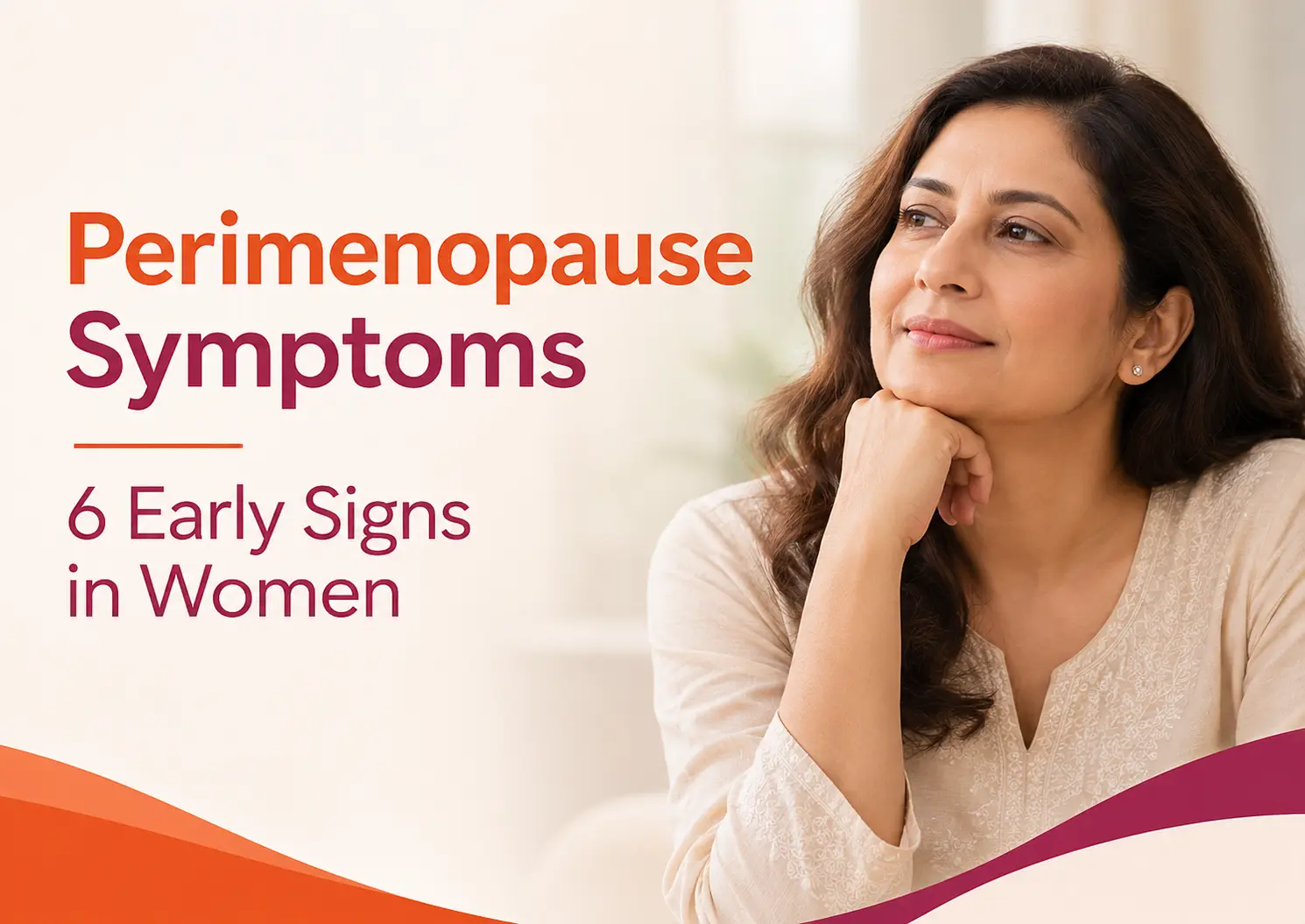
Perimenopause Symptoms: 6 Signs Your Body is Entering a New Stage

Summary
-
Perimenopause is a natural transition before menopause, marked by hormonal fluctuations that can affect menstrual cycles, mood, sleep, and overall well-being.
-
Irregular periods, changes in menstrual flow, and variations in cycle length are often among the earliest signs of perimenopause.
-
Hot flashes and night sweats may cause sudden sensations of heat, sweating, and disrupted sleep.
-
Hormonal fluctuations, poor sleep, and stress may contribute to mood swings, anxiety, irritability, and low mood.
-
Sleep disturbances can lead to persistent fatigue, reduced concentration, and difficulty managing daily activities.
-
Some women experience brain fog, forgetfulness, and difficulty concentrating during the menopausal transition.
-
Vaginal dryness, discomfort during intercourse, and urinary changes may occur as oestrogen levels fluctuate and slowly decline.
-
Perimenopause most commonly begins during the 40s, although some women notice symptoms earlier. Symptoms before age 40 require medical assessment.
-
A balanced diet, regular exercise, adequate sleep, stress management, and individualised medical advice can help manage symptoms.
-
Heavy or unusual menstrual bleeding, persistent symptoms, and any vaginal bleeding after menopause warrant medical evaluation.
-
Miracles Healthcare provides comprehensive gynaecology services through a team of 50+ female gynaecologists, with advanced diagnostic facilities and multispeciality support across Sectors 14, 56, and 82 in Gurgaon.
Have you noticed changes in your menstrual cycle, sudden mood swings, disturbed sleep, or unexpected hot flashes? These changes may be related to perimenopause, a natural stage of life when the body gradually transitions towards menopause.
Perimenopause symptoms can vary from person to person. Some women experience noticeable physical and emotional changes, while others have only mild symptoms. Understanding these changes can help you recognise what is happening in your body and know when to seek medical advice.
In this blog, we explore six common signs of perimenopause, when they typically begin, how they differ from menopause, and what you can do to manage them.
What is Perimenopause?
Perimenopause is the transitional phase before menopause, during which the ovaries gradually change their hormone production, particularly oestrogen. These hormonal fluctuations can affect menstrual cycles, sleep, mood, body temperature, and vaginal and urinary health.
The perimenopause age varies from person to person, but this transition commonly begins during the 40s, although some women may experience changes earlier or later. It may continue for several years before menopause.
Menopause is defined as the point when a person has gone 12 consecutive months without a menstrual period, provided the absence of periods is not due to another cause, such as hormonal contraception.
According to the World Health Organization (WHO), the menopausal transition can affect physical, emotional, mental, and social well-being. However, every individual's experience is different, and recognising the changes can help women understand their symptoms and seek medical advice when needed.
6 Common Perimenopause Symptoms to Recognise
1. Irregular Periods and Changes in Menstrual Flow
One of the earliest signs of perimenopause is a change in your usual menstrual pattern. You may notice that your periods no longer arrive on schedule or that your menstrual flow differs from what you have experienced previously.
Common menstrual changes during perimenopause include:
-
Periods arriving earlier or later than expected.
-
Menstrual cycles become shorter or longer.
-
Bleeding becomes lighter or heavier.
-
Occasionally skipping a period.
-
Changes in the duration of menstrual bleeding.
These changes occur because hormonal fluctuations can affect ovulation and the menstrual cycle.
According to Dr. Sadhna Sharma, a highly experienced gynaecologist doctor in Gurgaon at Miracles Healthcare, “Changes in menstrual patterns can be a natural part of the perimenopausal transition. However, women should not assume that every episode of irregular or heavy bleeding is caused by hormonal changes. Paying attention to changes in menstrual flow and seeking medical advice when needed can help identify any underlying concerns.”
Although irregular periods are common during perimenopause, not every change in menstrual bleeding should automatically be attributed to hormones. Heavy bleeding, bleeding between periods, bleeding after sexual intercourse, or bleeding accompanied by significant pain warrants medical assessment. If you experience vaginal bleeding after 12 months without a period, seek medical evaluation promptly.
2. Hot Flashes and Night Sweats
Have you ever experienced a sudden wave of heat even when the room temperature feels comfortable? This may be a hot flash, also known as a hot flush. Hot flashes are among the commonly reported perimenopause symptoms. They are associated with changes in the body’s temperature-regulation mechanisms during the menopausal transition.
You may experience:
-
Sudden warmth in the face, neck, or chest.
-
Sweating or flushing of the skin.
-
A noticeable or faster heartbeat.
-
Chills after the episode passes.
-
Night sweats that interrupt sleep.
Hot flashes can last from a few seconds to several minutes and may occur occasionally or multiple times a day.
Keeping your bedroom cool, wearing breathable clothing, identifying personal triggers, and maintaining a regular sleep schedule may help you manage these episodes.
If hot flashes are frequent, severe, or affecting your daily routine, consult a healthcare professional to discuss suitable management options.
3. Mood Swings, Anxiety, and Irritability
Emotional changes can be another important sign of perimenopause. You may find yourself feeling unusually irritable, anxious, overwhelmed, or emotionally sensitive.
Some women notice changes in their mood even when nothing significant has changed in their daily circumstances.
Possible symptoms include:
-
Sudden mood swings.
-
Increased irritability or frustration.
-
Feelings of anxiety or uneasiness.
-
Low mood or reduced motivation.
-
Difficulty managing everyday stress.
Hormonal fluctuations may contribute to these changes. Poor sleep, night sweats, work pressures, and other midlife responsibilities can also influence emotional well-being.
Dr. Sadhna Sharma explains,“Hormonal fluctuations during perimenopause can influence mood and emotional well-being, so persistent or distressing changes should be discussed with a healthcare professional rather than ignored.”
These symptoms should not be dismissed as simply a part of ageing. Regular physical activity, relaxation techniques, social support, and a consistent sleep routine may help support emotional health.
If anxiety, persistent sadness, or mood changes interfere with your relationships, work, or daily activities, speak with a healthcare professional. Persistent or severe emotional symptoms deserve appropriate assessment and support.
4. Sleep Disturbances and Persistent Fatigue
If you find it difficult to fall asleep, wake up repeatedly during the night, or feel tired despite spending enough time in bed, perimenopause may be one possible explanation.
Sleep disturbances can occur during the menopausal transition, sometimes alongside night sweats or mood changes.
Common sleep-related symptoms include:
-
Difficulty falling asleep.
-
Waking up frequently during the night.
-
Waking earlier than usual and struggling to return to sleep.
-
Feeling tired or unrefreshed in the morning.
-
Difficulty concentrating after a poor night’s sleep.
Over time, disrupted sleep can affect your energy, mood, productivity, and ability to concentrate.
To support better sleep, try maintaining consistent sleeping and waking times, limiting caffeine later in the day, keeping your bedroom comfortable, and incorporating regular physical activity into your routine.
However, persistent fatigue may also be associated with other conditions, including anaemia, thyroid disorders, sleep apnoea, or other health concerns. A healthcare professional can help determine whether your symptoms are related to perimenopause or another underlying cause.
5. Brain Fog and Difficulty Concentrating
Have you recently found yourself forgetting small details, losing track of conversations, or struggling to concentrate on tasks that previously felt easy?
Some women report these experiences during perimenopause, often describing them as brain fog.
Possible changes include:
-
Difficulty concentrating for extended periods.
-
Forgetting names, appointments, or everyday details.
-
Feeling mentally less sharp than usual.
-
Taking longer to complete familiar tasks.
-
Difficulty remembering information when tired or stressed.
Hormonal changes may play a role, but sleep disturbances, stress, anxiety, and other health factors can also contribute to concentration and memory difficulties.
Occasional forgetfulness does not necessarily indicate a serious problem. Maintaining a regular sleep schedule, exercising, eating a balanced diet, and using reminders or calendars may help with everyday functioning.
If memory problems are persistent, worsening, or interfering significantly with daily life, seek medical advice rather than assuming they are caused by perimenopause.
6. Vaginal Dryness, Reduced Libido, and Urinary Changes
Perimenopause can also affect vaginal and urinary health. As oestrogen levels fluctuate and gradually decline, tissues in the vaginal and urinary areas may become drier or more sensitive.
You may experience:
-
Vaginal dryness or irritation.
-
Discomfort or pain during sexual intercourse.
-
Changes in sexual desire.
-
A more frequent urge to urinate.
-
Burning or discomfort during urination.
These symptoms can affect comfort, intimacy, and overall quality of life. However, urinary burning, urgency, or frequency may also indicate a urinary tract infection or another condition that requires assessment.
Depending on your symptoms, a healthcare professional may discuss options such as vaginal moisturisers, lubricants, or prescription treatments when appropriate.
You do not need to feel embarrassed about discussing vaginal or urinary symptoms. These are legitimate health concerns, and appropriate care can help improve comfort and well-being.
At What Age Do Perimenopause Symptoms Begin?
“This is one of the most common questions my patients ask me during OPD consultations, especially when they begin noticing lighter menstrual flow or irregular periods,” says Dr. Sadhna Sharma.
Perimenopause most commonly begins during the 40s, although the timing varies from woman to woman. Some women may notice changes in their late 30s, while others experience them later.
Age alone cannot confirm whether you are entering perimenopause. Your menstrual history, symptoms, medical background, and use of hormonal contraception may all be relevant in understanding these changes.
If menopause-like symptoms or persistent menstrual irregularities begin before the age of 40, seek medical assessment. Early menopause or premature ovarian insufficiency may need to be considered.
Perimenopause vs Menopause: What is the Difference?
|
Feature |
Perimenopause |
Menopause |
|
Menstrual periods |
May become irregular, lighter, or heavier |
Periods have stopped for 12 consecutive months, when not explained by another cause |
|
Hormones |
Levels fluctuate and may slowly decline |
Ovarian hormone production has declined |
|
Symptoms |
May include hot flashes, mood changes, sleep problems, and vaginal dryness |
Similar symptoms may continue after periods stop |
|
Pregnancy |
Pregnancy is still possible |
Natural pregnancy is no longer expected after menopause |
Perimenopause is the transition, while menopause marks the end of menstrual periods. Symptoms can continue after menopause, so the two stages are not defined solely by how you feel.
How Can You Manage Perimenopause Symptoms?
Although perimenopause is a natural life stage, its symptoms can sometimes affect everyday comfort and well-being. A few practical measures may help:
-
Maintain a balanced diet: Include vegetables, fruits, whole grains, protein sources, and calcium-rich foods.
-
Exercise regularly: Walking, strength training, and other suitable physical activities can support general health and bone strength.
-
Prioritise sleep: Maintain consistent sleep and waking times and create a comfortable sleeping environment.
-
Manage stress: Relaxation exercises, yoga, mindfulness, or talking to someone you trust may help.
-
Track your symptoms: Record menstrual dates, bleeding patterns, hot flashes, sleep changes, and mood symptoms to discuss during your consultation.
-
Seek individualised medical advice: Depending on your symptoms and medical history, a clinician may discuss hormonal or non-hormonal treatment options.
Hormone therapy may help certain menopause-related symptoms, but it is not suitable for everyone. Its benefits, risks, and alternatives should be discussed with a qualified healthcare professional. Avoid starting hormonal medicines or herbal supplements without appropriate advice.
When Should You Consult a Gynaecologist?
Consider consulting a gynaecologist near you for perimenopause treatment if you experience
-
Persistent menstrual changes
-
Frequent hot flashes
-
Ongoing sleep disturbances
-
Significant mood changes
-
Vaginal discomfort, or symptoms that affect your daily life.
Medical evaluation is particularly important if you experience very heavy bleeding, bleeding between periods, or any vaginal bleeding after menopause. Seek urgent medical care if bleeding is severe or accompanied by fainting, marked weakness, or other concerning symptoms.
A clinician may be able to identify perimenopause based on your age, symptoms, and menstrual history. Depending on your circumstances, additional tests may be recommended to investigate other possible causes.
Conclusion:
Perimenopause is a natural transition, but recognising its signs can help you understand changes in your body and make informed decisions about your health. Irregular periods, hot flashes, mood changes, sleep disturbances, brain fog, and vaginal or urinary symptoms are six common signs to be aware of.
Remember that these symptoms can also occur due to other health conditions. Keeping track of changes and discussing persistent or concerning symptoms with a qualified healthcare professional can help you understand their possible causes and explore appropriate care.
Get Professional Gynaecology Care in Gurgaon at Miracles Healthcare
Miracles Healthcare is a NABH-accredited maternity hospital that has been providing comprehensive gynaecology services since 2002, supported by a team of 50+ female gynaecologists. Backed by advanced diagnostic and treatment facilities and multispeciality support, the hospital addresses women's healthcare needs at every stage of life, from menstrual health and perimenopause to menopause and beyond. With a multi-location presence across Sectors 14, 56, and 82 in Gurgaon, the hospital offers accessible healthcare services to women across the city.
If you are experiencing changes associated with perimenopause, consider scheduling a consultation with a gynae near you to discuss your symptoms and individual healthcare needs.
To book your appointment for guidance, call 906-906-8800
Written and Verified by:

Frequently Asked Questions
The earliest signs often include irregular periods, changes in menstrual flow, hot flashes, night sweats, mood swings, and sleep disturbances. Symptoms vary from woman to woman.
Your menstrual pattern and symptoms can help indicate the stage, but there is no single test that reliably identifies every stage. A gynaecologist can assess your symptoms, age, and medical history.
Perimenopause most commonly begins during the 40s, although some women notice symptoms in their late 30s. The timing varies between individuals.
There is no single worst age, as symptom severity varies from person to person. Some women experience more disruptive symptoms during the menopausal transition, regardless of their age.
There is no reliable at-home test to confirm perimenopause. Tracking your periods and symptoms can help, while a gynaecologist can assess whether further tests are needed.
There is no single best vitamin for perimenopause. Vitamin D and calcium are important for bone health, while vitamin B12 may be beneficial if you have a deficiency. Consult a healthcare professional before starting supplements to determine your individual needs.



Was the information useful?
0 0