



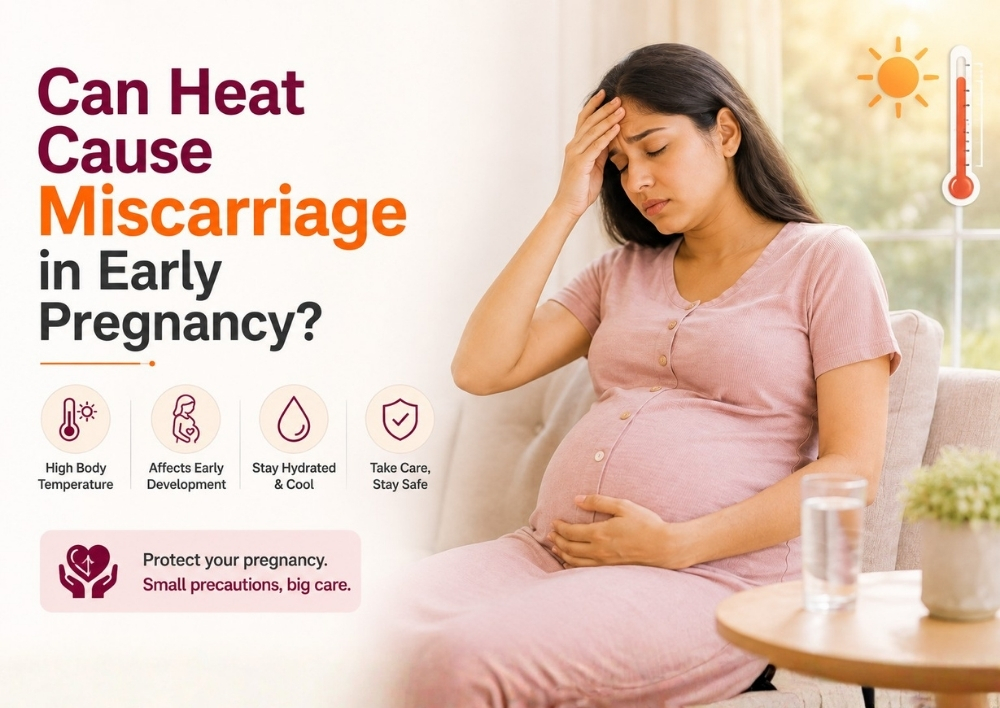
Can Heat Cause Miscarriage in Early Pregnancy? A Doctor Explains

- How Does Heat Affect the Body During Pregnancy?
- Can Overheating Cause Miscarriage in Early Pregnancy?
- Is Fever More Dangerous than Hot Weather in First Trimester?
- Can Dehydration Cause Miscarriage?
- Can Hot Baths, Saunas or Hot Tubs Cause Miscarriage?
- What Should You Do If You Develop a Fever During Early Pregnancy?
- When Should You Contact a Doctor Immediately?
- Tips to Stay Safe in Hot Weather During Early Pregnancy
- Heat and Miscarriage: Key Facts at a Glance
- Final Takeaway
- Pregnancy Concerns? Get Expert Care at Miracles Healthcare
Summary
Pregnancy brings many questions, especially during the first few weeks when the developing baby is particularly sensitive to changes in the mother's health. One common concern is: Can heat cause miscarriage in early pregnancy?
Well, the simple answer is that usual exposure to high temperatures does not necessarily lead to miscarriage. However, heat during pregnancy, particularly when it results in a significant increase in the mother’s core body temperature, can become a concern.
According to Dr. Sadhna Sharma, Pregnancy Doctor in Gurgaon at Miracles Healthcare, “Hot weather itself is not a direct cause of miscarriage. However, excessive exposure to extremely hot weather, high temperatures, fever, and dehydration might result in extra strain on the pregnant woman's body. “ During early pregnancy, it is necessary to ensure that a major increase in body temperature will not be reached and consult a doctor if feeling overheated or feverish.”
Research on fever and hyperthermia suggests that increased body temperature during pregnancy may be associated with certain pregnancy risks, although the evidence specifically linking heat exposure to miscarriage is not conclusive. Some studies have suggested an increased risk, while others have not found a clear association.
This is why the focus should not simply be on the temperature outside, but on whether the mother's core body temperature rises significantly, how long the overheating lasts, and whether dehydration, heat illness, or fever is also present.
How Does Heat Affect the Body During Pregnancy?
Pregnancy naturally changes the way your body regulates temperature. Increased blood flow, hormonal changes, and the additional demands placed on the cardiovascular system can make you feel warmer than usual.
During very hot weather, prolonged exposure to heat can make it harder for the body to cool itself.
Hyperthermia happens when the body absorbs more heat than it can release. It can result from prolonged exposure to very hot conditions, extreme physical activity, hot tubs, saunas, or heatstroke.
A mildly uncomfortable day in hot weather is very different from significant overheating or heat illness.
Heat exposure during pregnancy may become concerning when it causes:
-
A significant rise in body temperature
-
Heavy sweating
-
Dizziness or fainting
-
Severe weakness
-
Nausea or vomiting
-
Confusion
-
Rapid heartbeat
-
Severe dehydration
Severe hyperthermia can require urgent medical attention.
Can Overheating Cause Miscarriage in Early Pregnancy?
Simply being outside on a hot day does not mean that a miscarriage will occur. However, prolonged or significant elevation of body temperature during pregnancy has been studied because early fetal development is sensitive to changes in maternal body temperature.
Dr. Sadhna explains: “Routine exposure to hot weather is generally not a reason to panic. The concern is when the body becomes significantly overheated or a high fever persists, particularly during early pregnancy. If you experience symptoms such as severe weakness, dizziness, fainting, or excessive sweating, it is important to cool down, stay hydrated, and seek medical advice when needed.”
Some studies have suggested a possible increase in miscarriage with fever or hyperthermia, while other studies have not found an increased risk. Because miscarriage can happen for many reasons, it is often difficult to determine whether fever, hyperthermia, an underlying infection, or another factor was responsible.
Therefore, it is more accurate to say:
Heat itself does not mean that a miscarriage will occur, but significant overheating or high fever during early pregnancy deserves medical attention.
If you experience substantial overheating, especially with a high temperature or symptoms of heat illness, contact a gynaecologist near you immediately rather than assuming that everything is fine or assuming that a miscarriage will happen
Is Fever More Dangerous than Hot Weather in First Trimester?
Yes, the differentiation matters since hot weather does not necessarily indicate an increase in body temperature internally.
Fevers, on the other hand, are a real elevation in body temperature, usually as a result of an infection or illness of some sort.
Long-term fever and hyperthermia can be dangerous in early pregnancy. It has also been shown in research that mothers having an elevated body temperature at early pregnancy stages have an increased risk of giving birth to infants suffering from congenital anomalies. However, various results have been found from different studies. It is essential to take fever seriously when pregnant.
Can Dehydration Cause Miscarriage?
Dehydration is another important concern when temperatures are high, especially during pregnancy. Mild dehydration does not mean that a miscarriage will occur, but severe dehydration can make you unwell and may occur alongside overheating, vomiting, diarrhoea, or fever.
Dr. Sharma explains, “Staying adequately hydrated is especially important during pregnancy and becomes even more important in hot weather. Mild dehydration is usually manageable with adequate fluids, but if you are unable to keep fluids down, are passing very little urine, feeling faint, or experiencing signs of severe dehydration, you should seek medical attention promptly.”
Can Hot Baths, Saunas or Hot Tubs Cause Miscarriage?
Another question that usually comes up is whether hot baths, saunas, or hot tubs are safe during pregnancy.
Dr. Sadhna explains, “Staying adequately hydrated is especially important in pregnancy and becomes even more important in hot weather. Mild dehydration is usually manageable with adequate fluids, but if you are unable to keep fluids down, are passing very little urine, feeling faint, or experiencing signs of severe dehydration, you should seek medical attention promptly.”
The concern is therefore not simply that the water or room feels hot, but whether prolonged exposure causes maternal hyperthermia. If you are pregnant or trying to conceive, discussing safe bathing and relaxation options with your doctor can help you make informed choices.
What Should You Do If You Develop a Fever During Early Pregnancy?
According to Dr. Sadhna, “Fever during any stage of pregnancy cannot be overlooked.” Therefore, it is essential to
-
Identify the cause: You might have an infection or another illness causing you the high temperature.
-
Monitor your temperature: It is advisable to check if your body is running a high temperature.
-
Stay hydrated: Drink plenty of water because if you have vomiting, excessive sweating, or diarrhea, you will require more fluids than normal.
-
Do not self-medicate: Some medicines may not be suitable during pregnancy. Consult your doctor before taking any fever-reducing medication.
-
Use pregnancy-safe medication only: Paracetamol may be recommended by a doctor when appropriate and used at the advised dose.
-
Know when to seek medical care: High or persistent fever, severe weakness, dizziness, difficulty breathing, confusion, or other concerning symptoms require prompt medical evaluation.
-
Follow your doctor's advice: Do not start, stop, or change any medication during pregnancy without professional guidance.
When Should You Contact a Doctor Immediately?
Seek prompt medical care if you are pregnant and experience:
-
High or persistent fever
-
Fainting or severe dizziness
-
Confusion
-
Difficulty breathing
-
Severe weakness
-
Symptoms of heatstroke
-
Inability to drink or keep fluids down
-
Significant vaginal bleeding
-
Severe abdominal or pelvic pain
-
Fluid leakage from the vagina
These symptoms should be evaluated rather than attributed to normal pregnancy changes or hot weather.
Tips to Stay Safe in Hot Weather During Early Pregnancy
The goal during pregnancy is not to avoid every warm environment, but to prevent excessive overheating and dehydration, particularly during extreme summer temperatures.
The team of 50+ female gynaecologists in Gurgaon at Miracles Healthcare provides personalized pregnancy care and recommends the following practical precautions to help expectant mothers stay comfortable and safe in hot weather:
-
Stay well hydrated: Keep water with you and drink fluids regularly throughout the day.
-
Keep yourself cool: Stay in well-ventilated or air-conditioned spaces during periods of extreme heat whenever possible.
-
Choose the right time for outdoor activities: Avoid strenuous exercise and prolonged outdoor activities during the hottest hours of the day.
-
Wear light, breathable clothing: Choose loose-fitting, lightweight clothes that allow air to circulate and help your body stay cool.
-
Listen to your body: Do not ignore dizziness, severe weakness, confusion, excessive sweating, or fainting. Move to a cooler place and seek medical help if symptoms are severe or do not improve.
-
Manage fever promptly: If you develop a fever during pregnancy, contact your healthcare provider to identify the cause and understand the appropriate treatment.
-
Take extra care during heatwaves: Limit unnecessary exposure to extreme temperatures and take frequent breaks in a cool environment.
Heat and Miscarriage: Key Facts at a Glance
|
Concern |
What You Should Know |
|
Hot weather |
Being outside in hot weather does not automatically cause a miscarriage. |
|
Extreme overheating |
Staying in very hot conditions for a long time can raise body temperature and may be a concern during pregnancy. |
|
Fever |
A high or persistent fever should be evaluated by a doctor and treated appropriately. |
|
Dehydration |
Severe dehydration can make you seriously unwell, especially during pregnancy. |
|
Sauna or hot tub |
These can significantly increase body temperature, so prolonged exposure should be avoided during pregnancy. |
|
One episode of heat exposure |
A single episode of getting overheated does not automatically mean that miscarriage or harm to the baby has occurred. |
|
Early pregnancy |
The developing baby is more sensitive to significant increases in the mother's body temperature during early pregnancy. |
|
Warning signs |
Severe dizziness, fainting, confusion, extreme weakness, or other signs of heat illness require prompt medical attention. |
Final Takeaway
Hot weather does not mean that a miscarriage will happen. The greater concern with heat during pregnancy is prolonged overheating, high fever, severe dehydration, or heat-related illness, particularly during early pregnancy. Staying hydrated, keeping cool, avoiding prolonged exposure to extreme temperatures, and paying attention to warning signs can help you stay safer during hot weather. If you experience persistent fever, severe dizziness, fainting, confusion, unusual weakness, or other symptoms of overheating, do not ignore them or self-medicate; consult a gynecology doctor in gurgaon at Miracles Healthcare. Timely medical advice can help identify the cause and ensure appropriate care for you and your developing baby.
Pregnancy Concerns? Get Expert Care at Miracles Healthcare
Pregnancy is a journey that needs the right guidance at every stage. Miracles Healthcare is a leading maternity hospital in Gurgaon, providing personalized pregnancy and maternity care through a team of 50+ female obstetricians and gynaecologists and a multidisciplinary team of 150+ specialists. With more than two decades of excellence, the team supports mothers from early pregnancy through delivery and postnatal recovery.
What Makes Pregnancy Care at Miracles Healthcare Different?
-
Recognised as the Best Women & Children Hospital in Gurgaon and Faridabad by TOI in 2023, highlighting its commitment to comprehensive women’s and children’s healthcare.
-
25,000+ babies delivered, reflecting extensive experience in pregnancy, delivery, and newborn care.
-
20+ years of excellence in maternity and women’s healthcare, with a focus on safe, personalised care.
-
Fetal medicine and advanced pregnancy monitoring to assess the baby’s growth and development throughout pregnancy.
-
24×7 maternity and emergency support for urgent pregnancy-related concerns.
-
Advanced labour and delivery facilities supporting normal deliveries, C-sections, continuous fetal monitoring and other medically indicated interventions.
-
Level 3 NICU and specialised neonatal care for newborns who require additional medical attention after birth.
-
Multispecialty support under one roof, with access to paediatricians, neonatologists, anaesthetists, general physicians, general surgeons, radiologists and other specialists when required.
-
Personalized prenatal guidance, including advice on nutrition, vaccinations, routine tests, travel during pregnancy and preparation for delivery.
-
Multiple locations across Gurgaon, making maternity care more accessible to families across the city.
Miracles Healthcare Locations in Gurgaon
Whether you are concerned about heat exposure during early pregnancy, fever, dehydration, or another pregnancy-related issue, timely medical guidance can help you understand what is safe for you and your baby. Book a pregnancy consultation at Miracles Healthcare, Gurgaon, and get personalised guidance from experienced obstetricians throughout your pregnancy journey.
Written and Verified by:

Frequently Asked Questions
Yes, hormonal changes, particularly increased progesterone, can make you feel warmer during early pregnancy. However, a high or persistent temperature is different from normal pregnancy-related warmth and should be evaluated by a doctor.
Excessive heat during pregnancy can raise core body temperature and increase the risk of dehydration, heat exhaustion and heatstroke, particularly during early pregnancy.
Dr. Sadhna says, "There is no fixed safe time limit, but avoid prolonged exposure to extreme heat, stay hydrated, take frequent breaks in cool places, and avoid strenuous outdoor activity during the hottest hours."
Limited sun exposure can support vitamin D production, but prolonged exposure may cause overheating, dehydration and sunburn. Stay hydrated and use appropriate sun protection.
Hormonal changes, increased blood flow and a higher metabolic rate can make you feel warmer during pregnancy. Hot weather, fever, dehydration, and strenuous activity can also increase body temperature.





Was the information useful?
0 0