



Orthopedic Conditions We Treat
Comprehensive Care for Your Health

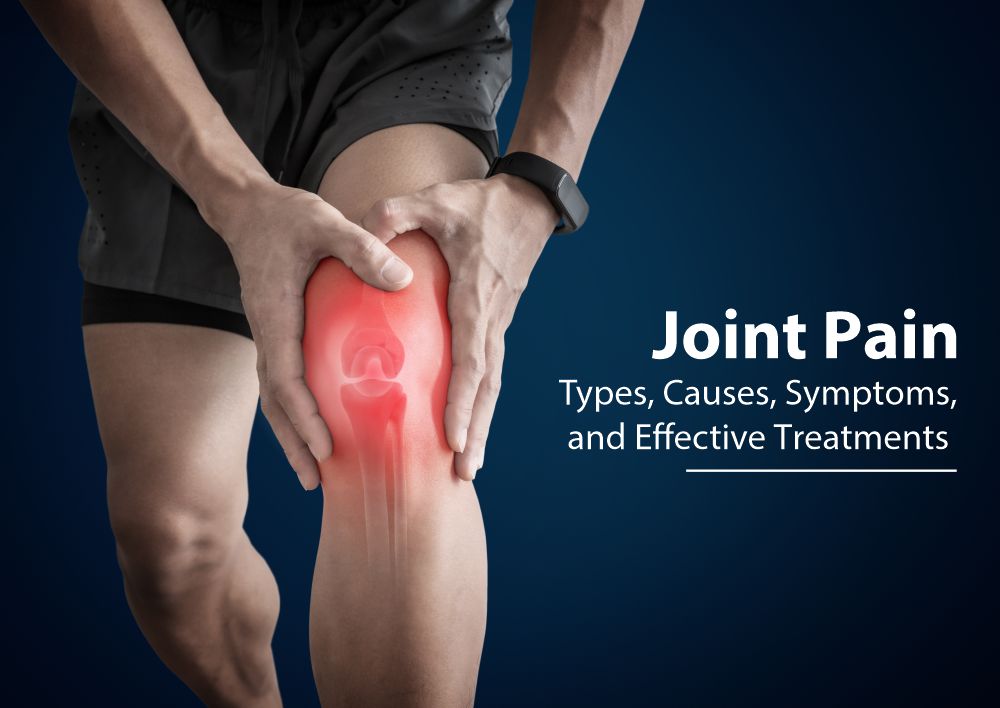
Joint pain is a common health concern that can affect people of different age groups. It may develop slowly due to ageing and wear and tear or occur suddenly following an injury, infection or underlying medical condition. Joint pain can affect the knees, hips, shoulders, elbows, wrists, ankles and other parts of the body.
The discomfort may range from mild stiffness and occasional pain to persistent discomfort that makes everyday activities such as walking, climbing stairs, sitting, standing or lifting objects difficult. In some cases, joint pain may also be accompanied by swelling, redness, warmth, and restricted movement.
Several conditions, including osteoarthritis, rheumatoid arthritis, gout, bursitis, and joint injuries, can contribute to joint pain. Identifying the underlying cause is important because the appropriate treatment depends on the affected joint, severity of symptoms, and overall health of the individual.
If joint pain is affecting your movement or making routine activities uncomfortable, don't ignore the symptoms. Consider consulting an orthopaedist specialist near you in Gurgaon at Miracles Healthcare for appropriate evaluation to understand the cause and plan the right course of care.
Joint pain can affect one or multiple joints and may vary depending on the underlying condition. Some common types include:
Knee Joint Pain: Knee pain may occur due to osteoarthritis, ligament injuries, cartilage damage, overuse, or inflammation. It can make walking, running, bending, and climbing stairs uncomfortable.
Hip Joint Pain: Hip pain may develop due to arthritis, muscle strain, bursitis, or injuries. It can cause discomfort while walking, sitting, standing, or performing routine movements.
Shoulder Joint Pain: Shoulder discomfort may be associated with rotator cuff injuries, frozen shoulder, bursitis, or joint inflammation. It can restrict arm movement and make lifting objects difficult.
Elbow Joint Pain: Elbow pain may result from repetitive movements, tendon inflammation, sports injuries, or conditions such as tennis elbow and golfer's elbow.
Wrist and Hand Joint Pain: Pain in the wrists, fingers, and hands may be linked to arthritis, repetitive strain, injuries, or inflammation. It may affect gripping and holding objects.
Ankle and Foot Joint Pain: Ankle and foot joint discomfort may occur due to sprains, arthritis, overuse, or inflammation. It can affect balance, walking, and standing.
Multiple Joint Pain: Pain affecting several joints simultaneously may be associated with inflammatory conditions such as rheumatoid arthritis, certain infections, or other systemic disorders.
Joint pain symptoms can differ depending on the affected joint and the underlying cause. Common symptoms include:
Pain and Discomfort: Aching, tenderness, or sharp pain in one or more joints, particularly during movement.
Joint Stiffness: Difficulty moving the joint, especially after waking up or remaining inactive for a long time.
Swelling: Enlargement around the affected joint due to inflammation or fluid accumulation.
Redness and Warmth: The skin around the joint may appear red or feel warmer than the surrounding area.
Reduced Range of Motion: Difficulty bending, straightening, or rotating the affected joint.
Joint Weakness: Reduced strength or stability that may interfere with everyday activities.
Clicking or Grinding Sensation: Unusual sounds or sensations during joint movement, sometimes associated with changes in joint structures.
Difficulty Walking or Performing Daily Activities: Persistent pain may make climbing stairs, standing, walking, or carrying objects challenging.
Joint pain can develop due to several medical conditions, injuries, and lifestyle-related factors. Some common causes include:
Osteoarthritis: Osteoarthritis occurs when the protective cartilage within a joint slowly wears down. It commonly affects the knees, hips, hands, and spine, causing pain, stiffness and reduced mobility.
Rheumatoid Arthritis: This is an autoimmune condition in which the immune system mistakenly attacks the lining of the joints, resulting in inflammation, swelling, pain and stiffness.
Gout: Gout develops due to the accumulation of uric acid crystals within a joint. It can cause sudden episodes of intense pain, swelling, and redness, commonly affecting the big toe.
Joint Injuries: Sprains, strains, fractures, ligament tears, and cartilage injuries can damage joint structures and lead to pain and swelling.
Bursitis: Inflammation of the small fluid-filled sacs (bursae) that cushion joints can cause pain, particularly around the shoulders, hips, and elbows.
Tendinitis: Inflammation or irritation of tendons surrounding a joint may cause discomfort, tenderness, and pain during movement.
Joint Infections: Bacterial or other infections affecting a joint can cause severe pain, swelling, warmth, and fever. Septic arthritis requires urgent medical treatment.
Overuse and Repetitive Movements: Repeated physical activities, strenuous exercise, or prolonged pressure on a joint can contribute to irritation and discomfort.
Other Medical Conditions: Certain viral infections and autoimmune or inflammatory disorders may also cause joint pain, sometimes affecting multiple joints.
Accurate diagnosis is important to identify the underlying cause of joint pain and determine an appropriate treatment approach. An orthopaedic specialist may recommend a combination of clinical evaluation, medical history, and diagnostic investigations.
Common diagnostic methods include:
Medical History: The doctor asks about the duration, location, and intensity of pain, previous injuries, existing medical conditions, and activities that may worsen the symptoms.
Physical Examination: The affected joint is examined for swelling, tenderness, redness, warmth, stiffness, and restricted movement. The doctor may also assess joint stability and muscle strength.
X-ray: X-rays help identify changes in joint spaces, bone alignment, fractures, and signs of osteoarthritis.
MRI Scan: Magnetic Resonance Imaging (MRI) provides detailed images of soft tissues, including cartilage, ligaments, tendons, and other structures surrounding the joint.
CT Scan: A Computed Tomography (CT) scan may be recommended to evaluate complex bone injuries and certain joint abnormalities.
Blood Tests: Blood investigations may help identify signs of inflammation, autoimmune conditions, infections, or elevated uric acid levels, depending on the suspected cause.
Joint Fluid Analysis: In certain cases, a small sample of fluid may be collected from the affected joint to check for infection, inflammation, or uric acid crystals.
The investigations recommended depend on the patient's symptoms, clinical findings, and suspected underlying condition. Not every patient requires all these tests.
Joint pain treatment depends on its cause, severity, affected joint, and the individual's overall health. The primary goals are to reduce discomfort, manage inflammation, improve joint movement, and maintain everyday functionality.
Some commonly recommended treatment options include:
Medications: Doctors may prescribe appropriate pain-relieving or anti-inflammatory medicines depending on the underlying condition. Specific medications may be required for conditions such as rheumatoid arthritis, gout, or joint infections.
Physiotherapy: Physiotherapy helps improve joint flexibility, muscle strength, balance and movement. A customised exercise programme may also support joint stability and functional recovery.
Lifestyle Modifications: Maintaining a healthy weight, avoiding excessive joint strain and following appropriate physical activity recommendations can help manage joint discomfort.
Hot and Cold Therapy: Heat applications may help relieve stiffness, while cold applications can help reduce swelling and discomfort following certain injuries.
Joint Injections: Depending on the diagnosis, doctors may recommend injections such as corticosteroids to manage inflammation and provide temporary symptom relief in selected conditions.
Supportive Devices: Braces, knee supports, walking aids, or other orthopaedic devices may be recommended to improve joint stability and reduce pressure on affected areas.
Surgical Treatment: Surgery may be considered when joint damage is significant, or symptoms do not improve with appropriate non-surgical treatment. Depending on the condition, procedures may include arthroscopy, joint repair, or joint replacement surgery.
The treatment plan should be individualised after a proper medical assessment. Early evaluation can help identify treatable conditions and prevent unnecessary delays in care.
Several factors can increase the likelihood of developing joint pain. Some common risk factors include:
Ageing: The risk of degenerative joint conditions, particularly osteoarthritis, generally increases with age.
Excess Body Weight: Additional body weight places greater mechanical stress on weight-bearing joints, especially the knees and hips.
Previous Joint Injuries: Earlier injuries involving ligaments, cartilage, or bones may increase the risk of developing joint problems later.
Family History: A family history of certain joint conditions, including osteoarthritis and rheumatoid arthritis, may increase susceptibility.
Lack of Physical Activity: Limited movement can contribute to muscle weakness and reduced joint flexibility.
Repetitive Physical Activities: Occupations or activities involving repetitive movements, heavy lifting, or prolonged joint stress may increase the risk of joint problems.
Autoimmune Conditions: Certain autoimmune disorders can cause persistent joint inflammation and damage.
Sports and Physical Strain: High-impact activities, improper exercise techniques, and inadequate recovery may increase the possibility of joint injuries.
Although not all causes of joint pain can be prevented, adopting healthy habits can help maintain joint health and reduce the risk of certain joint problems.
Here are some practical preventive measures:
Maintain a Healthy Weight: Managing body weight helps reduce excessive pressure on the knees, hips, and other weight-bearing joints.
Exercise Regularly: Low-impact activities such as walking, swimming, and cycling can help maintain joint mobility and strengthen supporting muscles.
Follow Proper Exercise Techniques: Warm up before physical activity, use appropriate techniques, and avoid suddenly increasing exercise intensity.
Maintain Good Posture: Proper posture while sitting, standing, and lifting objects can help minimise unnecessary stress on joints.
Avoid Overuse: Take adequate breaks during repetitive activities and allow your body sufficient time to recover after strenuous exercise.
Eat a Balanced Diet: Include foods containing protein, calcium, vitamin D, and other essential nutrients to support bone and muscle health.
Wear Appropriate Footwear: Comfortable and supportive footwear can help maintain balance and reduce unnecessary strain on the lower-body joints.
Seek Timely Medical Advice: Do not ignore persistent stiffness, swelling, or recurring joint discomfort. Early assessment can help identify underlying problems and guide appropriate care.
Occasional joint discomfort may improve with rest, but persistent or recurring pain should not be ignored. Consider consulting an orthopaedic specialist near you if you experience any of the following:
Persistent Joint Pain: Pain that continues for several days or keeps returning.
Joint Swelling: Repeated or unexplained swelling around one or more joints.
Stiffness: Difficulty moving the joint, particularly after waking up or remaining inactive.
Restricted Movement: Difficulty walking, climbing stairs, bending, or performing routine activities.
Redness and Warmth: Redness, tenderness, or unusual warmth around the affected joint.
Pain After an Injury: Joint pain or swelling following a fall, accident, or sports injury.
Seek urgent medical attention if you experience sudden, severe joint pain with swelling, warmth, and fever, as these may indicate a joint infection.
Timely medical evaluation can help identify the underlying cause and guide appropriate treatment.
Joint pain can make everyday activities such as walking, climbing stairs, or getting up from a chair difficult. It may develop due to age-related wear and tear, arthritis, sports injuries, or other musculoskeletal conditions. Early evaluation can help identify the cause and guide appropriate treatment.
Miracles Healthcare is a NABH-accredited orthopaedic hospital in Gurgaon, offering diagnosis and treatment for various musculoskeletal conditions since 2002. Our team of experienced orthopaedic specialists and physiotherapists focuses on assessing joint problems and recommending suitable care, including medical management, physiotherapy, rehabilitation, and surgical intervention when required.
With centres across Sector 14, Sector 56, and Sector 82, patients can access orthopaedic consultations, diagnostic support, and physiotherapy services at multiple locations, helping ensure coordinated care based on their individual needs.

Comprehensive Care for Your Health
Meet our expert team of orthopaedic doctors where compassionate care meets expertise.










Inspiring Journeys: True Patient Stories

Thanks Mr. Nedrat Abdul for your grateful words fo...

Watch what one of our patient Mrs. Maria Amelin Ma...

Mr. Aadarsh Kumar - Patient Testimonial for Matern...

Our team at Miracles Healthcare takes extra care o...
Miracles Healthcare is a leading multispeciality hospital in Gurgaon. We are committed to providing comprehensive and high-quality medical care across all specialties under one roof.






Learn about the world class health care we provide
Source for Expert Advice and Health Tips





Learn about the world class health care we provide
Permanent relief depends on the underlying cause. Appropriate treatment, regular exercise, weight management, and physiotherapy can help manage symptoms, but some chronic joint conditions may require long-term care.
Foods that may worsen inflammation or affect joint health include sugary drinks, processed meats, deep-fried foods, refined carbohydrates, and foods high in added sugar.
Gentle exercises, warm or cold compresses, maintaining a healthy weight, and adequate rest may help relieve joint discomfort. Persistent pain should be evaluated by a doctor.
Vitamin D supports bone health, while vitamin C helps maintain cartilage. Vitamin deficiencies should be corrected based on medical advice rather than taking supplements unnecessarily.
Fatty fish, nuts, seeds, berries, leafy green vegetables, and olive oil contain nutrients and antioxidants that may help support joint health and manage inflammation.
There is no specific fruit that everyone with arthritis needs to avoid. Whole fruits such as berries, oranges, apples, and cherries can be part of a balanced, joint-friendly diet.


