



Orthopedic Conditions We Treat
Comprehensive Care for Your Health

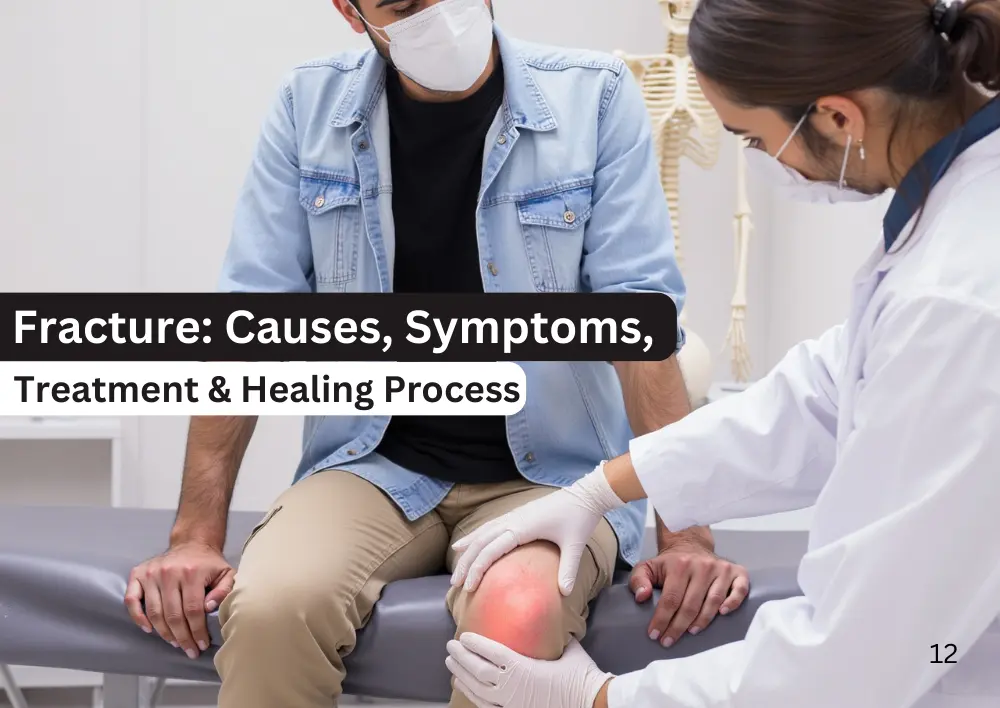
A bone fracture is a partial or complete break or crack in a bone. Fractures can happen due to falls, accidents, sports injuries, direct impact, or excessive stress on the bone. In some cases, weakened bones due to conditions such as osteoporosis can fracture even after a minor injury.
The severity of a fracture depends on the affected bone, location of the break, alignment of the bone fragments, and whether nearby muscles, nerves, blood vessels, or other tissues are affected. Early diagnosis and appropriate treatment are important for proper healing and restoration of normal movement.
If you have experienced an injury, fall, or accident and suspect a fracture, timely medical evaluation can help prevent complications and support proper bone healing. Consult an experienced orthopaedic specialist in Gurgaon at Miracles Healthcare for accurate diagnosis and personalised fracture treatment.
Bone fractures can occur in different patterns depending on the cause and force of the injury. Common types include:
Closed Fracture: The bone is broken, but the skin remains intact.
Open Fracture: The broken bone causes an open wound or comes through the skin. It requires immediate medical attention.
Displaced Fracture: The broken bone fragments have moved out of their normal alignment.
Non-Displaced Fracture: The bone is cracked or broken but remains in its normal position.
Comminuted Fracture: The bone breaks into several pieces, usually because of significant trauma.
Greenstick Fracture: An incomplete fracture in which the bone bends and cracks without breaking completely. It is more common in children.
Stress Fracture: A small crack in the bone caused by repeated stress or overuse rather than a single major injury.
Compression Fracture: The bone collapses or becomes compressed, commonly affecting the bones of the spine.
The symptoms of a fracture can vary depending on its location and severity. Common symptoms include:
Sudden or severe pain
Swelling around the injured area
Bruising or skin discoloration
Tenderness when touched
Difficulty moving the affected limb or joint
Difficulty walking or putting weight on the affected area
Visible deformity or change in the shape of the limb
Reduced range of movement
Numbness or tingling
An open wound in case of an open fracture
Severe pain, visible deformity, numbness, or inability to move or bear weight on the injured area should be evaluated by an orthopaedic specialist promptly.
Bone fractures can result from sudden trauma, repetitive stress, or weakened bones. Common causes include:
Falls
Road accidents
Direct blows or trauma
Workplace injuries
Twisting injuries
High-impact activities
Repetitive stress or overuse
Low bone density
Conditions that weaken the bones
In people with weakened bones, even a minor fall or everyday activity may sometimes result in a fracture.
An orthopaedic specialist starts the diagnosis with a physical examination. The doctor checks the injured area for pain, swelling, tenderness, deformity, movement, and changes in circulation or sensation.
Depending on the suspected fracture, imaging tests may include:
X-ray: An X-ray is commonly used to identify fractures and determine their location and alignment.
CT Scan: A CT scan provides more detailed images and may be recommended for complex fractures or fractures involving a joint.
MRI: An MRI scan can help identify certain fractures that may not be clearly visible on an X-ray. It can also help assess associated soft-tissue injuries.
Bone Density Test: A bone density test may be recommended when a fracture occurs after relatively minor trauma or when the doctor suspects osteoporosis or reduced bone strength.
The treatment of a bone fracture depends on the type, location, severity, and alignment of the fracture. The patient's age, overall health, bone strength, and activity level may also influence the treatment plan.
Immobilization: Stable fractures may be treated using a cast, splint, brace, or sling. Immobilisation keeps the affected bone stable and allows it to heal properly.
Fracture Reduction: If the bone fragments have moved out of their normal position, the doctor may need to realign them. This procedure is known as fracture reduction.
Surgical Treatment: Some fractures require surgery, particularly when the bone is significantly displaced, broken into several pieces, involves a joint, or cannot be adequately stabilised with a cast or brace. Depending on the fracture, surgical fixation may involve plates, screws, rods, or other fixation devices to hold the bone in the correct position during healing.
Physiotherapy and Rehabilitation: Physiotherapy may be recommended during recovery to slowly restore:
Joint movement
Muscle strength
Flexibility
Balance
Coordination
Normal functional movement
The rehabilitation plan depends on the type of fracture and the treatment received.
Certain factors can increase the risk of developing a bone fracture, including:
Increasing age
Osteoporosis or low bone density
Previous fractures
Calcium or vitamin D deficiency
Repetitive high-impact activities
Participation in contact or high-risk sports
Poor balance
Increased risk of falls
Smoking
Excessive alcohol consumption
Certain medical conditions
Certain long-term medications that can affect bone health
People with osteoporosis have weaker bones and may be more likely to experience fractures after relatively minor trauma.
Although accidents cannot always be prevented, certain measures can help maintain bone strength and reduce the risk of fractures.
Maintain a balanced diet containing adequate calcium and vitamin D.
Exercise regularly with appropriate weight-bearing and muscle-strengthening activities.
Maintain muscle strength and balance.
Take precautions to prevent falls, particularly in older adults.
Keep floors, stairs, and walkways free of obstacles.
Use appropriate protective equipment during sports and physical activities.
Avoid smoking.
Limit alcohol consumption.
Discuss bone-density testing with a doctor if you have risk factors for osteoporosis.
Follow appropriate treatment if you have been diagnosed with low bone density or osteoporosis.
You should consult an orthopedic doctor near you immediately for medical attention after an injury if you experience
Severe or persistent pain
Significant swelling
Difficulty moving the affected area
Inability to bear weight
Visible deformity
Numbness
Changes in skin colour
An open fracture, severe bleeding, or a suspected injury to the head, neck, or spine requires urgent medical attention.
Do not attempt to straighten a deformed limb or push a protruding bone back into place. Keep the injured area as still as possible until medical help is available.
Miracles Healthcare is the best orthopedic hospital in Gurgaon, providing comprehensive orthopaedic care for patients with different types of bone fractures for two decades. With a team of 10+ experienced orthopaedic specialists and physiotherapists, the hospital offers evaluation and treatment for fractures based on the affected bone, severity of injury, and overall health of the patient.
The orthopaedic team evaluates the injury, identifies the type and severity of the fracture, and recommends an appropriate treatment plan. Treatment may include fracture management with immobilisation, fracture reduction, surgical fixation when required, and physiotherapy and rehabilitation to improve mobility, restore strength, and support a safe return to daily activities.
If you have experienced an injury or have symptoms suggestive of a bone fracture, consult our orthopaedic specialist for timely evaluation, treatment, physiotherapy, and rehabilitation.
Comprehensive Care for Your Health
Meet our expert team of orthopaedic doctors where compassionate care meets expertise.











Inspiring Journeys: True Patient Stories

Thanks Mr. Nedrat Abdul for your grateful words fo...

Watch what one of our patient Mrs. Maria Amelin Ma...

Mr. Aadarsh Kumar - Patient Testimonial for Matern...

Our team at Miracles Healthcare takes extra care o...
Miracles Healthcare is a leading multispeciality hospital in Gurgaon. We are committed to providing comprehensive and high-quality medical care across all specialties under one roof.






Learn about the world class health care we provide
Source for Expert Advice and Health Tips



Learn about the world class health care we provide
Yes, many fractures can heal naturally when the bone is properly aligned and immobilised. However, some fractures require reduction or surgery for proper healing.
Milk and calcium- and vitamin D-fortified drinks can support bone health during recovery. Adequate protein and overall nutrition are also important for healing.
“Broken” and “fractured” mean the same thing medically. Severe pain, swelling, bruising, deformity, or difficulty moving or bearing weight may indicate a fracture, but an X-ray or other imaging is often needed to confirm it.
There is no universal ranking, but fractures of the hip, spine, and pelvis can be particularly serious because they may affect mobility and surrounding organs or nerves.
Following your doctor’s treatment plan, eating enough protein, calcium, and vitamin D, avoiding smoking, and gradually doing recommended rehabilitation exercises can support bone healing.
Most broken bones take around 6–8 weeks to heal, but the recovery time can vary depending on the type and location of the fracture, age, overall health, and treatment. Some complex fractures may take several months to fully recover.


