



Orthopedic Conditions We Treat
Comprehensive Care for Your Health

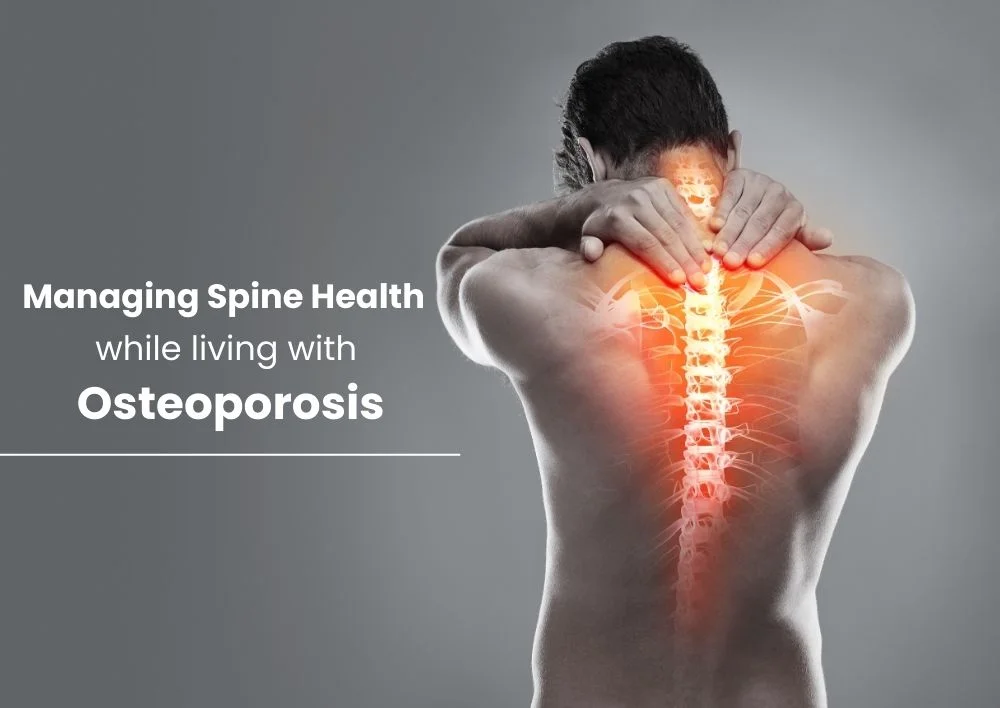
Osteoporosis is a bone condition that affects a lot of people, and the process is gradual with no symptoms in the early stages. The condition causes the bones to become fragile and prone to breaking, even with the slightest touch. When detected early, osteoporosis can be controlled, and the progression of bone loss slowed down. The most important step in ensuring that you have healthy bones and are able to live an active and independent lifestyle is learning more about osteoporosis.
Osteoporosis is an ailment in which the bones start losing strength and density. The bones are strong and dense in a healthy person, but in the case of osteoporosis, they become hollow.
This condition principally impacts:
Older Adults
Postmenopausal
People with low levels of Calcium or Vitamin D. The typical places where a broken bone may occur are the hips, spine, or wrist.
Osteoporosis is often called a “silent disease” because symptoms may not appear until a fracture occurs.
Common symptoms may include:
Frequent bone fractures
Back pain due to spinal fractures
Loss of height over time
Stooped or hunched posture
Weak bones that break easily
If you notice these signs, consult an orthopedist near you for early medical evaluation.
Osteoporosis develops when the body loses bone faster than it can build new bone.
Common causes include:
Aging
Hormonal changes, especially after menopause
Low calcium and vitamin D intake
Lack of physical activity
Long-term use of steroids
Smoking and excessive alcohol consumption
Certain medical conditions can also increase the risk of bone loss.
Certain factors increase the chance of developing osteoporosis.
Major risk factors include:
Female gender.
Family history of osteoporosis.
Early menopause
Low body weight
Poor nutrition.
Sedentary lifestyle.
Chronic medical conditions
Knowing your risk can help you take preventive steps early.
Early diagnosis helps prevent fractures and complications. Doctors may recommend:
A physical examination can help identify signs of osteoporosis, including loss of height, stooping, and spinal curvature. With these, it becomes easier for the doctor to evaluate bone strength, evaluate fracture probability, and then design an appropriate treatment plan based on his observations
It is the most accurate and popular method for diagnosing osteoporosis. The DEXA scan measures the density of bones in the hip and spine areas of the body, estimating the strength of the bones and the chance of future fractures.
Blood test is also used to determine the level of calcium, vitamin D, and other minerals in the body. The test will help to establish the nutrient deficiencies in the body that could be causing bone loss.
Sometimes, X-rays may be ordered to check for previous fractures, especially in the spine, hips, or wrist. They can help check for thinning or compression fractures, which might have been overlooked.
The goal of treating osteoporosis is slowing down bone loss, increasing bone strength, and preventing fractures. With proper treatment, lifestyle modifications, and regular follow-up care, patients with osteoporosis can have much healthier bones
Common treatment methods are:
Calcium is important for strong bones. Calcium from the food we eat helps in being properly absorbed in the body through vitamin D. In most cases, calcium supplements are recommended in the event of low calcium levels in one’s diet. This applies to senior citizens and women who have undergone menopause.
Doctors may prescribe some medications that help to resist the degradation or enhancement of bone formation. These help to increase bone strength; hence, chances of bone fractures become minimal.
Engaging in regular physical activity, including walking, stair climbing, light weight training, and balance exercises, is important in maintaining bone density and muscular strength. Physical activity also enhances coordination and prevents the chance of falls.
Quitting smoke and avoid consuming too much alcohol can help prevent weak bones. Additionally, a healthy diet full of calcium, protein, and nutrients is also crucial.
Fall prevention is an important aspect of managing osteoporosis. This could be done with improved home safety, the use of supportive footwear, the correction of visual impairments, and balance exercises.
Treatment programs are always customized to suit the patient’s age, extent of bone loss, potential for fractures, and health status. This ensures that the outcomes of the medication are positive and safe.
Although osteoporosis cannot be entirely prevented, it is possible to avoid it or reduce the risk factor to some extent through healthy living habits:
Consume a balanced diet that is rich in calcium and vitamin D.
Enjoy proper sunlight exposure for vitamin D.
Engage in weight-bearing activities such as walking, jogging, or weight training.
Keep a healthy body weight.
Do not drink or smoke
Get regular bone health screenings, especially if you are at risk.
Miracles Healthcare, the best multispecialty hospital in Gurgaon, offers a comprehensive patient care for osteoporosis.
Patients benefit from
Bone density scans (DEXA scan) for detailed diagnosis.
The treatment plans shall be developed in accordance with the person’s bone status.
Nutritional and Lifestyle Modifications that help in maintaining stronger bones.
Physiotherapy Services, Fracture Care, and Mobility Support Services.
By applying care through interdisciplinary approaches along with advanced facilities in the hospital, patients receive appropriate diagnoses and treatments while ensuring control of osteoporosis.
Comprehensive Care for Your Health
Meet our expert team of Orthopedic Doctors where compassionate care meets expertise.











Inspiring Journeys: True Patient Stories

Thanks Mr. Nedrat Abdul for your grateful words fo...

Watch what one of our patient Mrs. Maria Amelin Ma...

Mr. Aadarsh Kumar - Patient Testimonial for Matern...

Our team at Miracles Healthcare takes extra care o...
Miracles Healthcare is a leading multispeciality hospital in Gurgaon. We are committed to providing comprehensive and high-quality medical care across all specialties under one roof.






Learn about the world class health care we provide
Source for Expert Advice and Health Tips


Learn about the world class health care we provide
Osteoporosis can be improved with calcium- and vitamin D–rich foods, regular weight-bearing exercise, and doctor-recommended medicines.
Postmenopausal women, elderly people, those with a family history, smokers, and people with low physical activity are at higher risk.
Osteoporosis affects the bones, especially the spine, hips, and wrists.
A sudden fracture from a minor fall or persistent back pain can be a major warning sign.
Bone loss often begins after age 30, but osteoporosis is more common after 50, especially in women.
The main cause is loss of bone density due to aging, hormonal changes (especially after menopause), and low calcium or vitamin D levels.
It weakens bones, making them fragile and more likely to break, even after minor falls or injuries.
Early signs may include back pain, loss of height, weak posture, or fractures occurring easily.
Treatment usually includes calcium and vitamin D supplements, bone-strengthening medicines, exercise, and lifestyle changes as advised by a ortho doctor.
Miracles Healthcare has a team of highly experienced orthopedists who understand how bone problems can affect daily life. They focus on accurate diagnosis and create personalized treatment plans to help patients manage osteoporosis and improve long-term bone health with care and confidence.


