



Orthopedic Conditions We Treat
Comprehensive Care for Your Health

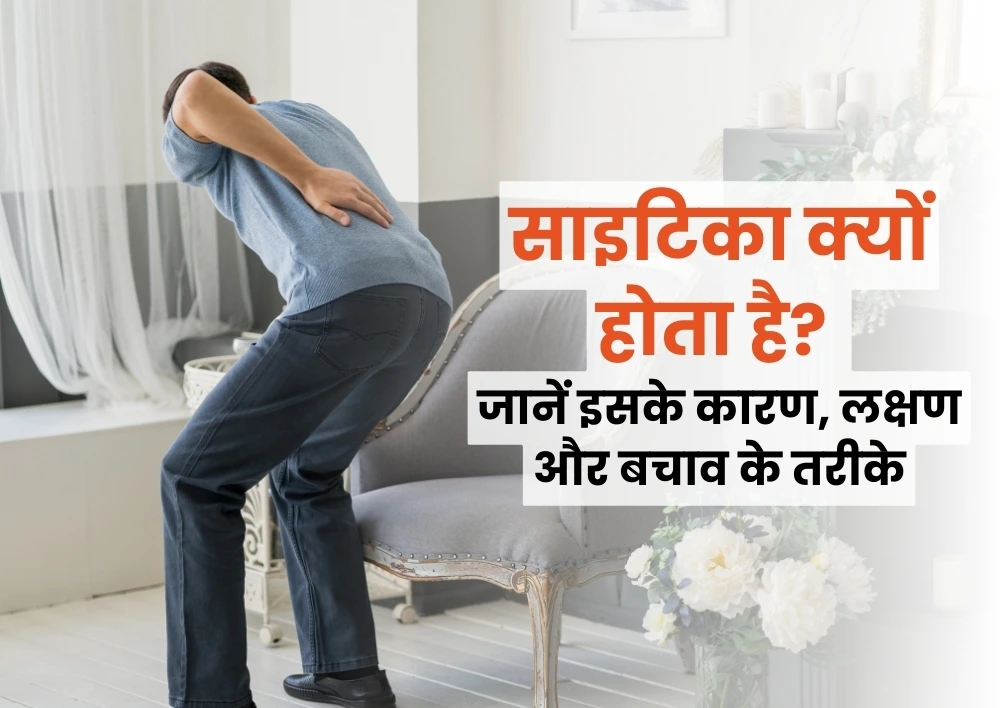
Sciatica refers to pain caused by irritation, compression, or inflammation of the sciatic nerve, the largest nerve in the body. It typically affects one side and can cause pain that travels from the lower back through the buttock and down the leg. It may develop suddenly or slowly and can range from mild discomfort to severe pain that interferes with walking, sitting, sleeping, or everyday activities. Most cases improve with appropriate non-surgical treatment, but persistent or severe symptoms require medical evaluation.
If you are experiencing ongoing back pain, leg pain, numbness, or tingling, consult an orthopaedic specialist in Gurgaon at Miracles Healthcare for an accurate diagnosis and personalised treatment.
Sciatica commonly affects one side of the body. Symptoms may include:
Sharp or burning pain from the lower back to the buttock and leg
Pain that worsens with coughing, sneezing, sitting, or prolonged standing
Tingling or a pins-and-needles sensation in the leg or foot
Numbness in the leg or foot
Muscle weakness in the affected leg
Difficulty walking or moving the leg comfortably
Sciatica Symptoms can vary depending on which part of the sciatic nerve is affected and the severity of nerve compression.
Sciatica pain treatment depends on the underlying cause, severity of symptoms, and overall health. Many people improve with non-surgical treatment.
Medicines: Your doctor may recommend pain relievers, anti-inflammatory medicines, or other medicines depending on your symptoms. Medicines should be taken only as advised by a healthcare professional.
Physiotherapy: A physiotherapist can recommend sciatica pain relief exercises and stretches to improve flexibility, strengthen the back and core muscles, and support better movement.
Lifestyle Modifications: Avoiding prolonged sitting, maintaining proper posture, using safe lifting techniques, and slowly returning to normal activities may help reduce symptoms and prevent recurrence.
Injections: If pain persists despite conservative treatment, your doctor may consider an epidural steroid injection or another targeted injection to reduce inflammation around the affected nerve.
Surgery: Surgery may be considered when severe nerve compression causes persistent symptoms that do not improve with other treatments or when significant neurological problems develop. The type of surgery depends on the underlying cause.
If sciatica is accompanied by bladder or bowel problems, numbness around the groin or buttocks, or severe or worsening weakness in the legs, consult an orthopedic doctor near you immediately, as these may indicate serious nerve compression.
Sciatica usually occurs when the sciatic nerve or one of its nerve roots becomes compressed or irritated. Common causes of sciatica pain include:
Herniated disc: A slipped or bulging disc in the lower spine can press on a nerve root.
Spinal stenosis: Narrowing of the spinal canal can put pressure on the nerves.
Bone spurs: Age-related changes in the spine may cause extra bone growth that irritates nearby nerves.
Spondylolisthesis: One vertebra may slip forward over another, narrowing the space available for nerves.
Spinal injuries: Trauma or injury to the lower back can sometimes affect the sciatic nerve.
Piriformis syndrome: In some cases, irritation or compression of the sciatic nerve near the buttock can produce sciatica-like symptoms.
Your doctor will start with a medical history and physical examination to understand your symptoms and assess muscle strength, sensation, reflexes, and movement. Depending on your symptoms and examination findings, additional tests may include:
MRI scan: Provides detailed images of the spine and can identify problems such as a herniated disc or spinal stenosis.
X-ray: May help identify bone changes, fractures, or alignment problems.
CT scan: May be recommended when more detailed imaging of the spine is required.
In selected cases, electromyography (EMG) or nerve conduction studies may be used to assess nerve function and determine whether nerve damage is present.
Several factors may increase the risk of developing sciatica, including:
Increasing age and age-related spinal changes
Sedentary lifestyle
Prolonged sitting
Obesity or excess body weight
Poor posture
Physically demanding work
Frequent heavy lifting or twisting
Previous lower-back problems
Diabetes
Having a risk factor does not mean you will definitely develop sciatica.
Although sciatica cannot always be prevented, maintaining a healthy spine and good physical habits can help reduce the risk.
Stay physically active: Regular exercise can strengthen your core and back muscles.
Maintain a healthy weight: A healthy weight can reduce stress on the lower spine.
Practise good posture: Maintain proper posture while sitting, standing, and working.
Lift safely: Bend at the knees and keep heavy objects close to your body when lifting.
Avoid prolonged sitting: Take regular movement breaks if your work involves sitting for long periods.
Strengthen your core: Exercises recommended by a physiotherapist can help support your spine.
Miracles Healthcare is a leading orthopaedic hospital in Gurgaon, providing comprehensive care for patients experiencing sciatica, lower-back pain, radiating leg pain, numbness, tingling, and mobility issues. Our team of orthopaedic surgeons offers personalised evaluation and treatment based on the underlying cause, severity, and individual needs of each patient. Treatment may include medication, physiotherapy, pain management, injections, or surgical intervention when required.
With advanced diagnostic facilities and multidisciplinary support under one roof, the hospital focuses on accurate diagnosis, effective treatment, and patient-centred care. Whether sciatica is affecting your mobility, sleep, work, or daily activities, timely medical evaluation can help prevent symptoms from worsening. Book your appointment today and take the first step towards better mobility and relief from sciatica pain.

Comprehensive Care for Your Health
Meet our expert team of orthopaedic doctors where compassionate care meets expertise.











Inspiring Journeys: True Patient Stories

Thanks Mr. Nedrat Abdul for your grateful words fo...

Watch what one of our patient Mrs. Maria Amelin Ma...

Mr. Aadarsh Kumar - Patient Testimonial for Matern...

Our team at Miracles Healthcare takes extra care o...
Miracles Healthcare is a leading multispeciality hospital in Gurgaon. We are committed to providing comprehensive and high-quality medical care across all specialties under one roof.






Learn about the world class health care we provide
Source for Expert Advice and Health Tips




Learn about the world class health care we provide
An orthopaedic or spine specialist can diagnose the cause of sciatica and recommend the most appropriate treatment.
There is no single permanent cure; treating the underlying cause, maintaining spinal health, and following a personalised treatment plan can reduce recurrence.
A CT scan can identify some spinal problems that may cause sciatica, but MRI is generally more useful for evaluating nerves and soft tissues.
Treatment depends on the cause, but physiotherapy, medicines, lifestyle changes, and targeted procedures are commonly effective; surgery may be needed in selected cases.
Yes, an MRI can provide detailed images of the spine and help identify causes such as a herniated disc or spinal stenosis when imaging is clinically needed.


