



Orthopedic Conditions We Treat
Comprehensive Care for Your Health

Hip pain refers to discomfort in or around the hip joint. It can develop slowly or occur suddenly after an injury, and may be felt in the hip, groin, thigh, buttocks, or sometimes the knee.
Hip pain can result from muscle strain or minor injuries, but persistent pain may also be linked to conditions such as arthritis, bursitis, tendon problems, or damage to the hip joint. Early evaluation can help identify the cause and guide appropriate treatment.
If hip pain is affecting your movement or daily activities, consult an experienced orthopaedic specialist in Gurgaon at Miracles Healthcare for timely evaluation and personalized treatment.
The symptoms of hip pain can vary depending on its underlying cause. Common symptoms include:
Pain in the hip, groin, thigh, or buttocks
Pain that worsens while walking, climbing stairs, or exercising
Stiffness or reduced movement of the hip
Difficulty standing or walking for long periods
Swelling or tenderness around the hip
Clicking, catching, or grinding sensations
Pain that becomes worse after prolonged sitting or activity
Difficulty putting weight on the affected leg
Severe pain after an injury, inability to bear weight, or sudden swelling requires prompt medical evaluation.
Hip pain can have many causes, including:
Osteoarthritis: Wear and tear of the hip joint cartilage can cause pain, stiffness, and reduced mobility.
Bursitis: Inflammation of the fluid-filled sacs around the hip can lead to pain and tenderness.
Tendon or muscle injuries: Strains or inflammation involving the muscles and tendons around the hip can cause pain.
Hip fractures: Falls, accidents, or weakened bones can cause fractures, particularly in older adults.
Sports injuries: Repetitive movements or sudden injuries may affect the muscles, tendons, or hip joint.
Avascular necrosis: Reduced blood supply to the hip bone can damage the bone and eventually affect the joint.
Labral tears: Damage to the cartilage surrounding the hip socket can cause pain, clicking, or a catching sensation.
Referred pain: Problems affecting the lower back or nearby structures can sometimes be felt as hip pain.
Your doctor will assess your symptoms, medical history, and physical movement to determine the possible cause of hip pain.
Depending on your condition, diagnosis may include:
Physical examination of the hip, leg, and lower back
Assessment of walking pattern and range of motion
X-ray to evaluate the bones and joint
MRI to examine soft tissues, cartilage, tendons, and other structures
CT scan when more detailed imaging of the bone or joint is required
Blood tests when an inflammatory or other medical condition is suspected
The appropriate tests depend on your symptoms and clinical findings.
Hip pain treatment depends on the underlying cause, severity of pain, and overall health. Your orthopaedic specialist may recommend one or more of the following:
For mild or early-stage conditions, treatment may include:
Rest and modification of activities that worsen pain
Physiotherapy and targeted hip pain exercises
Weight management when appropriate
Hot or cold therapy
Hip pain medicines for reducing pain and inflammation as prescribed
In selected cases, your doctor may recommend injections to help manage pain and inflammation. The type of injection depends on the underlying condition.
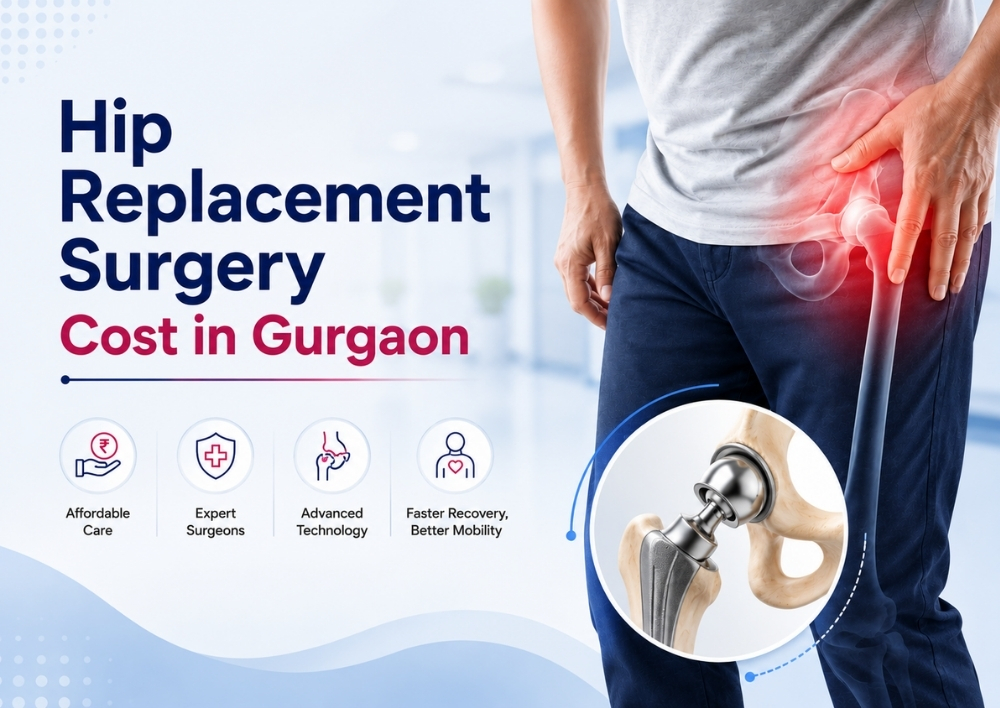
If hip pain is caused by significant joint damage or does not improve with non-surgical treatment, surgery may be considered. Depending on the condition, procedures may include arthroscopy or hip replacement surgery.
The treatment approach is individualized after evaluating the cause and severity of the hip problem.
Certain factors may increase the risk of developing hip pain, including:
Increasing age
Previous hip or leg injury
Excess body weight
Repetitive physical activity or high-impact sports
Muscle weakness or poor flexibility
Certain bone or joint conditions
Family history of some hip disorders
Conditions that affect bone health
While not all causes of hip pain can be prevented, the following measures may help protect your hip health:
Maintain a healthy body weight
Exercise regularly to strengthen the muscles around the hips
Include flexibility and mobility exercises in your routine
Use proper technique during sports and physical activities
Avoid suddenly increasing exercise intensity
Wear appropriate footwear
Maintain good posture and body mechanics
Take precautions to reduce the risk of falls, particularly in older adults
Seek medical advice for persistent pain rather than ignoring it
Consult an orthopaedic specialist if:
Hip pain persists or keeps returning
Pain is affecting your walking or daily activities
You have persistent stiffness or reduced hip movement
Pain is worsening despite rest
You experience pain after an injury or fall
You have difficulty bearing weight on the affected leg
Miracles Healthcare is a leading orthopaedic hospital in Gurgaon, providing comprehensive orthopaedic care since 2002. With a team of 10+ orthopaedic specialists and experienced physiotherapists, the hospital offers comprehensive evaluation and treatment for hip pain and various hip joint conditions. Our specialists assess the underlying cause of hip pain and recommend a personalized treatment plan, which may include medicines, physiotherapy, injections, or advanced surgical options when required.
Whether your hip pain is caused by an injury, arthritis, or another joint condition, timely evaluation can help manage symptoms, improve mobility, and support better quality of life. Looking for hip pain treatment in Gurgaon? Book a consultation with the orthopaedic doctor near you at Miracles Healthcare today.

Comprehensive Care for Your Health
Meet our expert team of orthopaedic doctors where compassionate care meets expertise.











Inspiring Journeys: True Patient Stories

Thanks Mr. Nedrat Abdul for your grateful words fo...

Watch what one of our patient Mrs. Maria Amelin Ma...

Mr. Aadarsh Kumar - Patient Testimonial for Matern...

Our team at Miracles Healthcare takes extra care o...
Miracles Healthcare is a leading multispeciality hospital in Gurgaon. We are committed to providing comprehensive and high-quality medical care across all specialties under one roof.






Learn about the world class health care we provide
Source for Expert Advice and Health Tips



Learn about the world class health care we provide
Yes, many causes of hip pain can be effectively treated. Treatment depends on the underlying cause and may include physiotherapy, medicines, injections, or surgery.
Over-the-counter NSAIDs such as ibuprofen or naproxen may help reduce hip pain and inflammation. However, the appropriate medicine depends on the cause of the pain and your health condition, so consult a doctor before taking them regularly.
Sleeping on your back with a pillow under your knees or on your side with a pillow between your knees may reduce pressure on the hip.
Miracles Healthcare is one of the best hospitals for hip pain treatment in Gurgaon, offering comprehensive orthopaedic care with experienced specialists, advanced diagnostic facilities, physiotherapy, and modern treatment options.
Rest from activities that worsen the pain, use ice or heat as appropriate, maintain gentle movement, and avoid prolonged sitting. If pain persists or worsens, consult an orthopaedic specialist.
Muscle pain often worsens with specific movements and may feel tender around the muscles, while joint pain is commonly felt deep in the groin or hip and may cause stiffness or reduced movement. A clinical examination can confirm the cause.


