



Orthopedic Conditions We Treat
Comprehensive Care for Your Health

Shoulder pain is one of the most prevalent orthopedic conditions affecting individuals of all ages. The condition may result either from an acute injury or from gradual wear and tear, improper posture, repetitive strain, or other health conditions. In addition, as the shoulder joint is the most flexible joint in the body, it becomes more susceptible to injuries.
Neglecting shoulder pain results in loss of movement, inability to engage in regular activities, and damage to the joint.
Miracles Healthcare is the leading orthopaedic hospital in Gurgaon, offering treatment for shoulder pain. Our experienced team of orthopaedic specialists finds out the root cause of your shoulder pain and treats you by providing tailor-made solutions, starting from medications to physiotherapy and minimally invasive techniques.
Shoulder pain is the discomfort or ache arising from different tissues within and around the shoulder joint. The pain can result from the muscles, tendons, ligaments, cartilages, bursae, or the surrounding bones of the shoulder.
Depending on the causes, shoulder pain may either be acute or chronic and may affect one or both shoulders. This type of pain may get worse when raising an arm, stretching it above the head, lifting objects, and even sleeping.
There are many symptoms of shoulder pain, and they are normally dependent on the condition underlying the pain. Common symptoms of shoulder pain include:
Continuous or occasional shoulder pain
Pain while lifting or rotating the arm
Shoulder stiffness and lack of mobility
Weakness of the involved arm
Swelling or soreness of the joint
Clicking, popping, or grinding sounds
Sleepless nights due to pain
Radiation of pain to upper arm or neck
Inability to engage in basic activities such as dressing or combing the hair
Medical help should be sought immediately if shoulder pain occurs following an injury, severe swelling or deformity, inability to move the arm, or numbness or weakness of the arm.
Some common orthopedic and medical reasons for shoulder joint pain include:
Rotator Cuff Injury: This can occur due to inflammation, tendinitis, or tear of rotator cuff tendons as a result of overuse, age, or sports injury.
Frozen Shoulder (Adhesive Capsulitis): This is a painful disorder marked by stiffness of the shoulder; people suffering from diabetes and those who suffer from shoulder stiffness for some time can develop this problem.
Shoulder Impingement Syndrome: When shoulder tendons get trapped in shoulder bones and become inflamed while moving the arm.
Arthritis of the Shoulder: This is because of the degeneration of cartilage, resulting in stiffness and pain.
Bursitis: It is an inflammation of fluid-filled sacs in the shoulder joint.
Dislocated Shoulder: The shoulder joint dislocates in case of trauma.
Fractures: Fractures of the clavicle, scapula, or upper arm bone caused by accidents or falls.
Torn Labrum: This is caused by wear and tear in the tissue that surrounds the shoulder joint socket and mostly affects athletes.
Muscle Strain: An injury caused by stretching of the shoulder muscles too far.
Referred Pain: Pain originating from the cervical spine, heart, or neck.
Shoulder pain diagnosis is carried out by an orthopedic doctor using a comprehensive examination process that will help determine the actual reason for the pain.
The processes involved include:
Taking the patient’s medical history
Analyzing symptoms
Physical examination
Range of motion
Strength testing
Ultrasound
CT scan (in case it is required)
Blood tests to test for infections and inflammatory arthritis
This is crucial in establishing the kind of treatment to be taken.
Treatment depends on the cause, severity, age, and activity level of the patient.
Most shoulder conditions improve with conservative management, including:
Activity modification
Rest
Ice or heat therapy
Pain-relieving medications
Anti-inflammatory medicines
Physiotherapy (shoulder pain exercises and manual therapy)
Shoulder strengthening exercises
Posture correction
Corticosteroid injections (in selected cases)
In some cases, non-surgical treatment works well for shoulder pain relief.
Surgery may be recommended when conservative treatment fails or in cases of severe injuries.
The common procedures are:
Shoulder arthroscopy
Rotator cuff repair
Labrum repair
Shoulder stabilisation surgery
Shoulder replacement surgery (Total or Reverse Shoulder Replacement)
Shoulder fracture fixation surgery
After surgical treatment, rehabilitation and physiotherapy are important for regaining the strength of the shoulder joint.
Certain risk factors that predispose an individual to shoulder pain:
Advanced age
Overhead movement activities
Certain sports including cricket, badminton, tennis, and swimming
Weightlifting
Poor body posture
Sedentary lifestyle
History of shoulder injuries
Diabetes
Being overweight
Occupations requiring repetitive arm movements
Cigarette smoking, potentially affecting tendon healing
Although not all shoulder problems are preventable, these measures can significantly reduce the risk:
Maintain proper posture while sitting and working
Perform regular shoulder strengthening exercises
Warm up before sports or exercise
Avoid repetitive overhead movements whenever possible
Lift heavy objects using proper techniques
Take frequent breaks during desk work
Maintain a healthy weight
Control diabetes and other chronic medical conditions
Seek early treatment for shoulder injuries
Follow physiotherapy recommendations after injury or surgery
A doctor’s early evaluation may help in pinpointing the underlying reasons for pain in the shoulder and prevent worsening.
See a doctor if you have
Shoulder pain that lasts for several days
Difficulty moving or raising your arm
Shoulder joint stiffness and reduced mobility
Inflammation, redness, or warmth in the shoulder joint
Instability in the shoulder joint
Night-time shoulder pain
Shoulder pain following injury
Abnormal appearance or restricted movement of the shoulder joint
Numbness or tingling sensation in your arm
If you are experiencing any of the mentioned symptoms, consult an orthopedist near you at Miracles Healthcare, Gurgaon.
If you suffer from shoulder pain that disrupts your day-to-day activities, then you need to find the best possible orthopaedic treatment to get rid of your pain permanently. Miracles Healthcare is an NABH-accredited orthopaedic hospital in Gurgaon, which boasts a number of highly experienced orthopaedic doctors who can diagnose and treat all kinds of shoulder problems. Be it diagnostics, non-surgical treatments, minimally invasive arthroscopic surgeries, or rehabilitation, all of your needs related to shoulder treatment will be taken care of under one roof. With multiple centres across Gurgaon in Sec14, Sec 56, and Sec 82, expert orthopaedic care is always within easy reach.

Comprehensive Care for Your Health
Meet our expert team of orthopaedic doctors where compassionate care meets expertise.











Inspiring Journeys: True Patient Stories

Thanks Mr. Nedrat Abdul for your grateful words fo...

Watch what one of our patient Mrs. Maria Amelin Ma...

Mr. Aadarsh Kumar - Patient Testimonial for Matern...

Our team at Miracles Healthcare takes extra care o...
Miracles Healthcare is a leading multispeciality hospital in Gurgaon. We are committed to providing comprehensive and high-quality medical care across all specialties under one roof.






Learn about the world class health care we provide
Source for Expert Advice and Health Tips

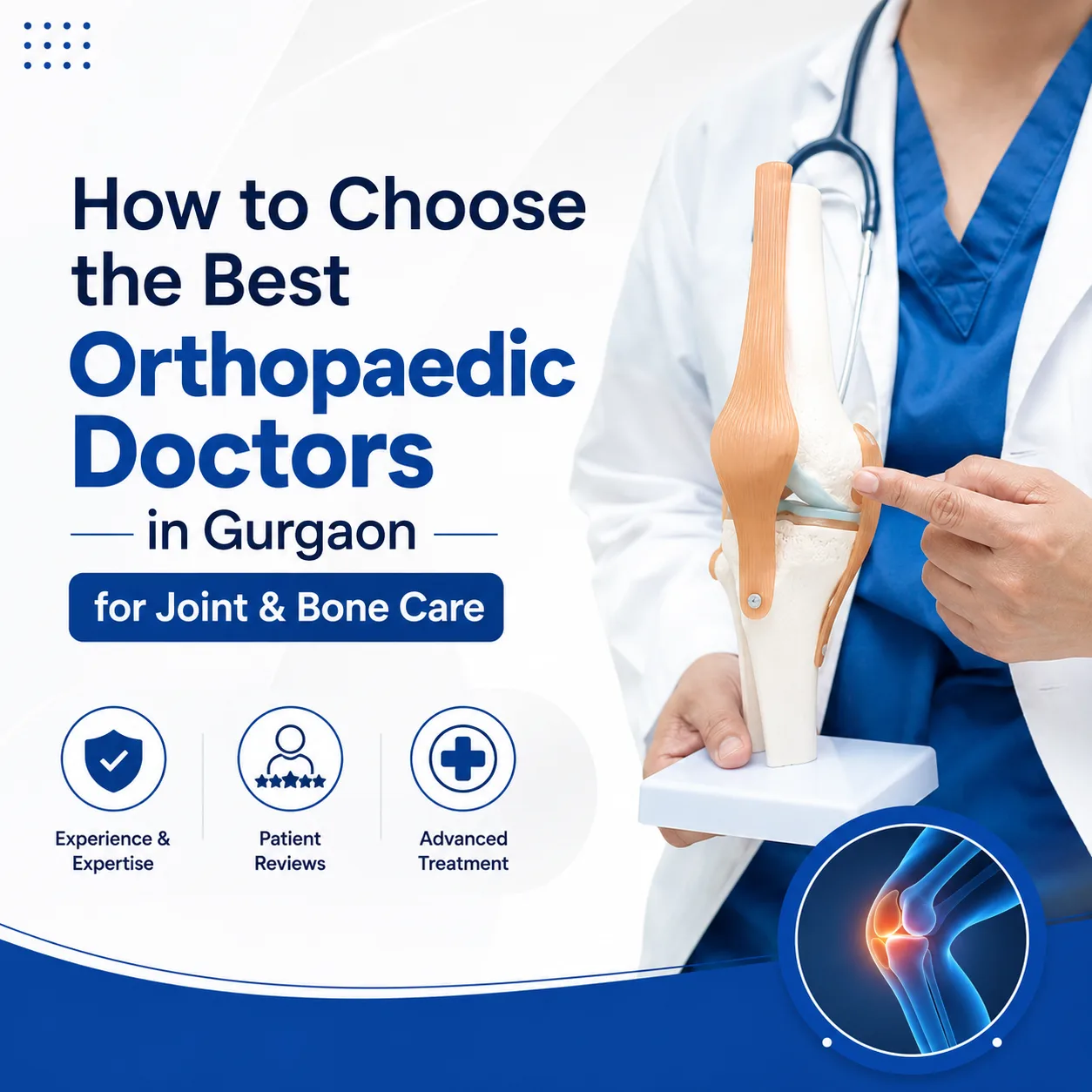


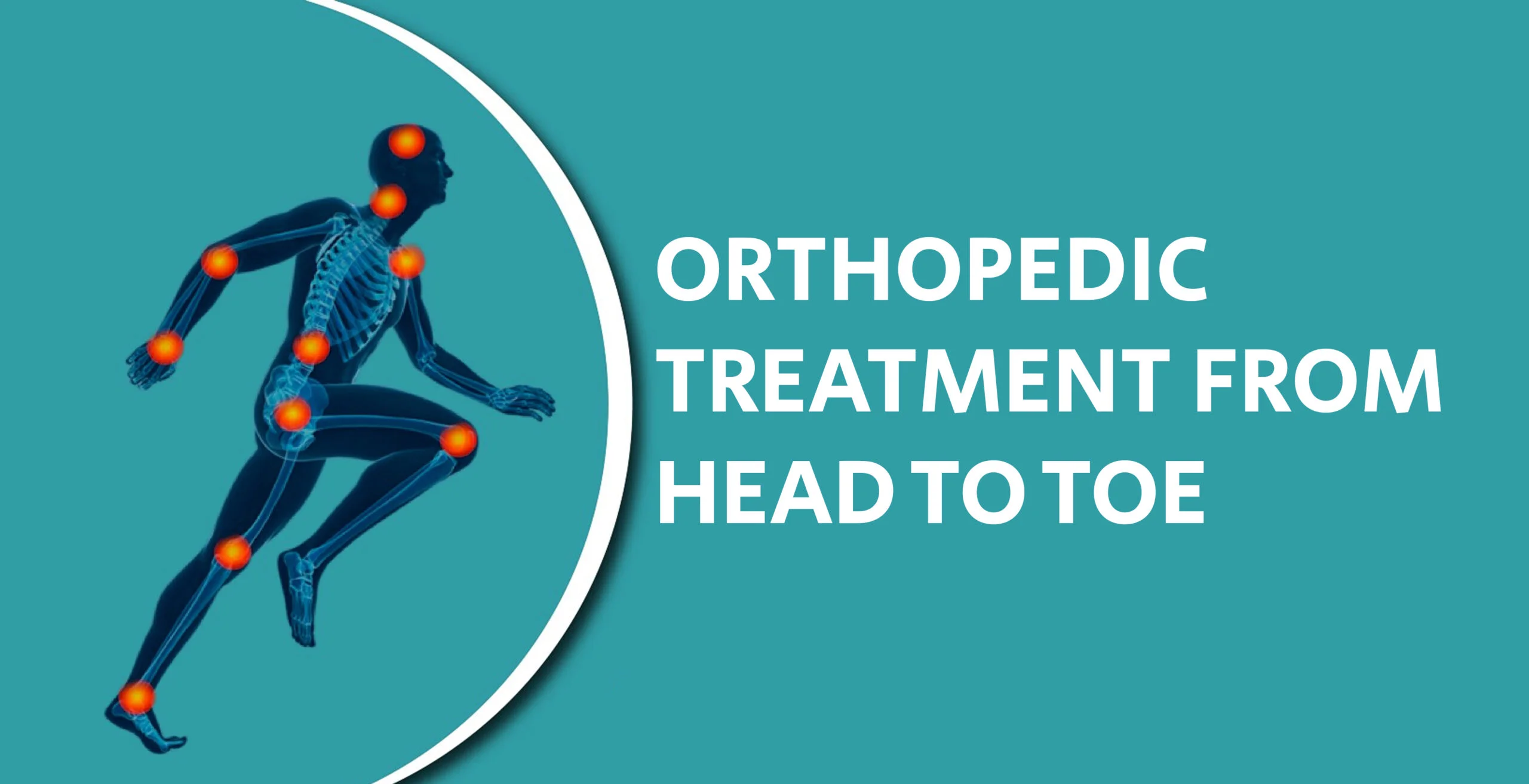
Learn about the world class health care we provide
The answer to this question lies in the root cause. Simple cases can be managed by rest, ice, medications, and physiotherapy. Severe injuries would need either injection therapy or surgery.
To treat shoulder joint pain at home, rest your shoulder, apply ice for 48 hours, avoid any activity that exacerbates shoulder joint pain, and engage in stretches when prescribed by a physiotherapist.
Pain that results from muscle problems usually worsens when you move or become active, but joint pain is more internal in nature and may be accompanied by stiffness, clicks, swelling, or restricted movement.
Paracetamol and non-steroidal anti-inflammatory drugs (NSAIDs) like ibuprofen may help relieve mild to moderate shoulder joint pain. Always use medicines as advised by your doctor.
Don’t lift heavy weights, perform repetitive overhead motions, make jerking movements, or ignore the pain.


