


Can IVF Be Successful with Low AMH Levels?

Summary
-
Low AMH may indicate reduced ovarian reserve, meaning fewer eggs may be available for stimulation during IVF.
-
AMH helps assess egg quantity and predict ovarian response, but it does not directly measure egg quality.
-
IVF with low AMH can still be successful; a low result does not automatically mean pregnancy is impossible.
-
IVF outcomes depend on several factors, including the woman's age, egg quality, ovarian response, fertilisation, embryo development, and uterine health.
-
AMH levels may decline due to age, genetic factors, ovarian surgery, chemotherapy, radiotherapy, endometriosis, and certain autoimmune conditions.
-
Women with low AMH may experience challenges such as fewer eggs retrieved, fewer embryos available, and the possible need for multiple IVF cycles.
-
Age and AMH provide different information and should be evaluated together during fertility assessment.
-
A fertility specialist may consider AMH levels, antral follicle count (AFC), hormone investigations, medical history, and previous IVF response before planning treatment.
-
Timely fertility evaluation can help women understand their ovarian reserve and discuss suitable treatment options.
-
Lifestyle changes and vitamin D supplementation cannot be relied upon to increase AMH or restore ovarian reserve.
An AMH test is often one of the first investigations recommended during a fertility assessment. When the report shows low Anti-Müllerian Hormone (AMH), it can raise concerns about ovarian reserve, egg availability, and the chances of pregnancy through IVF.
However, a low AMH result does not automatically mean that IVF will be unsuccessful. It generally indicates that the ovaries may have a lower number of eggs available for stimulation. The actual chances of success depend on several factors, including the woman’s age, egg quality, ovarian response, embryo development, and overall reproductive health.
Understanding what low AMH means and how it influences IVF treatment can help couples make informed decisions about their fertility journey.
What Does Low AMH Mean for Fertility?
Anti-Müllerian Hormone (AMH) is produced by the small follicles present in the ovaries. These follicles contain immature eggs that may develop during the menstrual cycle.
An AMH blood test helps assess ovarian reserve, which refers to the remaining quantity of eggs in the ovaries. It is commonly used during fertility evaluations and helps doctors understand how the ovaries may respond to fertility medications during IVF.
Low AMH levels may indicate:
-
Reduced ovarian reserve: The ovaries may have a smaller pool of eggs available.
-
Lower response to stimulation: Fewer follicles may develop during an IVF stimulation cycle.
-
Potentially fewer eggs retrieved: The number of eggs collected during an IVF procedure may be lower than expected.
-
Need for individualised treatment planning: The fertility specialist may consider the AMH result alongside age, ultrasound findings, and other investigations.
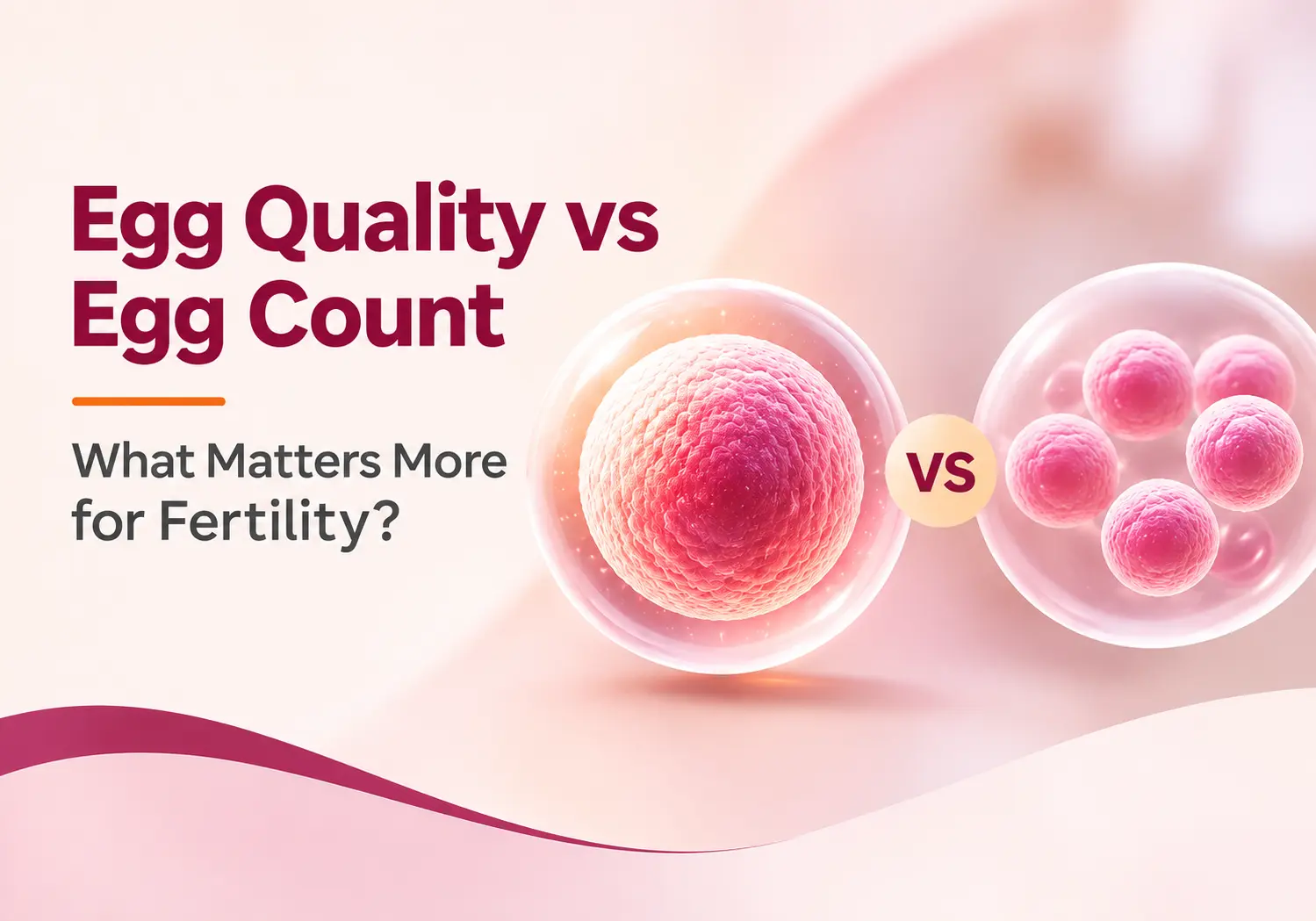
It is important to understand that AMH primarily provides information about egg quantity, not egg quality. A low AMH result alone cannot determine whether a woman will conceive naturally or through IVF.
Dr. Anviti Saraf, Senior Fertility Specialist in Gurgaon at Miracles Healthcare, says, “AMH is an important part of fertility assessment, but it should never be considered the only factor when evaluating a woman’s chances of pregnancy. Age, ovarian response, and the overall reproductive profile are equally important.”
How Common is Low AMH in Women?
Low AMH is a finding that can occur in women across different age groups. AMH levels generally decline with age as the number of eggs remaining in the ovaries decreases. However, the rate of decline varies considerably from one woman to another.
Some women may have low AMH levels in their twenties or early thirties, while others may retain comparatively higher levels as they approach their late thirties or forties. This is why age alone cannot determine a woman's ovarian reserve.
Low AMH may be identified during fertility investigations, particularly when a woman:
-
Has been trying to conceive without success.
-
Is planning IVF or another fertility treatment.
-
Has a history of ovarian surgery or certain medical treatments, such as chemotherapy.
-
Has a family history of reduced ovarian reserve.
-
Is undergoing fertility assessment due to age-related concerns.
Dr. Anviti Saraf says, “AMH levels can differ significantly among women of the same age. A low result should be assessed carefully alongside age, medical history, and other fertility findings rather than viewed in isolation.”
It is important to understand that low AMH does not automatically mean a woman cannot conceive naturally or have a successful IVF cycle. It may indicate that the ovaries could produce fewer eggs during IVF stimulation, but it does not independently determine egg quality or the possibility of pregnancy.
Can IVF Be Successful with Low AMH?
Yes, IVF can be successful in women with low AMH levels. However, treatment may require careful planning because the ovaries may produce fewer eggs during stimulation.
During IVF, fertility medications are used to encourage the development of multiple follicles. When the follicles are ready, eggs are collected and assessed for fertilisation. Suitable embryos may then be transferred into the uterus.
With low AMH, the number of eggs retrieved may be lower. This can reduce the number of opportunities to develop embryos in a single cycle. However, the outcome depends on more than the number of eggs collected.
Factors that influence IVF outcomes include:
-
Age of the woman: Age is an important factor in egg quality and the likelihood of chromosomal abnormalities.
-
Egg quality: The ability of an egg to fertilise and support embryo development is important.
-
Ovarian response: The number of follicles that develop during stimulation affects egg retrieval.
-
Fertilisation and embryo development: Not every retrieved egg will fertilise or develop into an embryo suitable for transfer.
-
Uterine health: The condition of the uterus and endometrium is also considered when planning embryo transfer.
-
Overall reproductive health: Medical history and other fertility-related conditions may influence treatment planning.
Therefore, low AMH should not be treated as a definitive prediction of IVF failure. A fertility specialist can assess the complete clinical picture and discuss realistic treatment expectations.
What Causes a Decline in AMH Levels?
AMH levels naturally decline with age as the number of eggs remaining in the ovaries decreases. However, age is not the only factor that may contribute to reduced ovarian reserve.
Some possible factors associated with low AMH include:
-
Age-related changes: Ovarian reserve slowly declines with increasing age.
-
Genetic factors: Family history and certain genetic conditions may be associated with reduced ovarian reserve.
-
Ovarian surgery: Certain procedures involving the ovaries may affect ovarian tissue and reserve.
-
Chemotherapy or radiotherapy: Some cancer treatments can affect ovarian function.
-
Endometriosis: The condition, particularly when it affects the ovaries, may be associated with reduced ovarian reserve.
-
Autoimmune conditions: Certain autoimmune disorders may affect ovarian function.
The underlying cause may not always be identifiable. A fertility specialist can review the medical history and recommend appropriate investigations to understand the possible reasons for reduced ovarian reserve.
IVF Success Considering AMH Levels and Age
Age and AMH provide different types of information during fertility assessment. While AMH helps estimate ovarian reserve and predict ovarian response to stimulation, age is an important indicator of egg quality.
A younger woman with low AMH may have fewer eggs available for retrieval, but the eggs obtained may still have the potential to develop into healthy embryos. On the other hand, women of more advanced reproductive age may experience both reduced ovarian reserve and age-related changes in egg quality.
This is why IVF success cannot be predicted using AMH levels alone.
Dr. Anviti Saraf says, “Age and ovarian reserve provide different but equally important information during fertility assessment. Understanding both helps us counsel couples about their treatment options and expected response to IVF.”
A fertility specialist may consider AMH levels, antral follicle count, hormone investigations, age, and previous treatment history before discussing the likely response to IVF.
Challenges of IVF with Low AMH
Although IVF remains a possible treatment option, low AMH can present certain challenges during the process.
-
Fewer eggs retrieved: Women with low ovarian reserve may develop fewer follicles in response to stimulation. As a result, the number of eggs collected during retrieval may be limited.
-
Fewer embryos available: Not every egg retrieved will fertilise, and not every fertilised egg will develop into an embryo suitable for transfer. A lower starting egg number may therefore result in fewer embryos being available.
-
Possibility of multiple treatment cycles: Depending on the ovarian response and treatment goals, some women may need more than one stimulation cycle. The specialist can discuss whether another cycle or an alternative approach is appropriate.
-
Importance of timely assessment: Since ovarian reserve generally declines with age, delaying fertility evaluation may affect the range of available treatment options. Women with concerns about low AMH should consider seeking an appropriate fertility assessment.
When Should You Consult a Fertility Specialist?
If you have low AMH or concerns about your ovarian reserve, consult a fertility specialist near you for evaluation and treatment if:
-
You have been trying to conceive: Seek advice after 12 months if under 35, after six months if 35 or older, or sooner if over 40.
-
You have a history of ovarian surgery or cancer treatment: These may affect ovarian reserve.
-
You have irregular or absent periods: This may indicate ovulatory or hormonal concerns.
-
You are considering IVF: A specialist can assess your ovarian reserve and help plan an appropriate treatment approach.
-
You have experienced unsuccessful IVF cycles: Reviewing previous treatment responses can help guide the next steps.
-
You have low AMH: Your results should be evaluated alongside age, antral follicle count (AFC), and other relevant findings.
Remember: Low AMH does not mean pregnancy is impossible. A timely fertility assessment can help you understand your reproductive health and make informed treatment decisions.
Conclusion:
Low AMH levels can indicate reduced ovarian reserve and may affect the number of eggs retrieved during IVF. However, they do not automatically mean that pregnancy through IVF is impossible. A woman’s age, egg quality, ovarian response, embryo development, and overall reproductive health are important considerations when planning treatment.
Every woman’s fertility journey is different, and IVF treatment decisions should be based on a complete clinical assessment rather than AMH levels alone.
Miracles Healthcare is an ART-registered fertility centre in Gurgaon, where fertility specialists and embryologists provide guidance based on individual reproductive needs. Women concerned about low AMH can consult the fertility team for an ovarian reserve assessment and discussion of suitable fertility treatment options.
If you have been diagnosed with low AMH or are concerned about your ovarian reserve, call 906-906-8800 to book an appointment with an IVF specialist near you at Miracles Healthcare.
Written and Verified by:

Dr. Anviti Saraf Exp: 11
MBBS, M.S. (Obstetrics & Gynaecology), FNB (Reproductive Medicne), DNB, MRCOG (UK)
Meet the Doctor
Frequently Asked Questions
IVF success rates vary depending on age, egg quality, ovarian response, and embryo development. Low AMH may result in fewer eggs retrieved, but it does not rule out a successful pregnancy.
Individual experiences can offer hope, but outcomes differ for every woman. A real, consented patient story can help illustrate that pregnancy may be possible even with low AMH.
There is no single AMH level that guarantees IVF success. Age, egg quality, ovarian response, and other fertility factors are equally important.
Pregnancy may still be possible, but an AMH level of 0.01 ng/mL suggests severely diminished ovarian reserve. A fertility specialist can assess the available options based on a complete evaluation.
Yes, IVF may be considered with low AMH. The treatment approach depends on age, ovarian reserve, previous response to stimulation, and individual fertility factors.
Vitamin D supplementation has not been proven to reliably increase AMH or restore ovarian reserve. Correcting a vitamin D deficiency may support overall health, but supplementation should be guided by a doctor.




Was the information useful?
0 0