


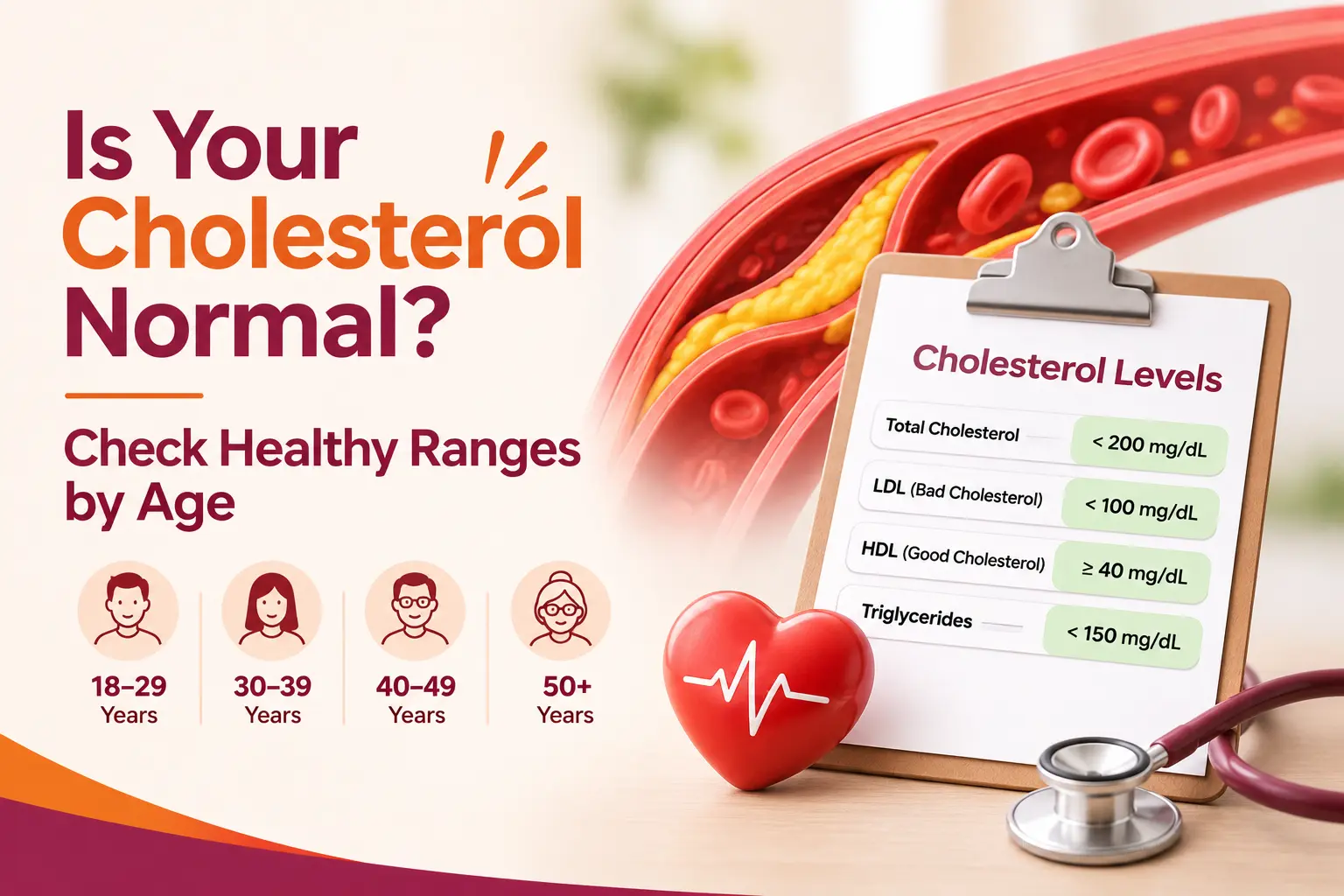
Cholesterol Levels by Age: A Complete Guide to Healthy Cholesterol Ranges
Summary
-
Cholesterol levels vary by age, genetics, diet, physical activity, and underlying medical conditions.
-
For children and teenagers, total cholesterol is generally considered acceptable below 170 mg/dL, while LDL cholesterol should typically be below 110 mg/dL.
-
For adults, total cholesterol below 200 mg/dL and LDL cholesterol below 100 mg/dL are desirable for many healthy individuals, although personal targets depend on cardiovascular risk.
-
Adults aged 40–59 should undergo regular cholesterol screening and assess their risk of heart disease with a healthcare professional.
-
For adults aged 60 and above, cholesterol results should be evaluated alongside existing medical conditions, medications, and overall cardiovascular health.
-
LDL cholesterol is commonly known as “bad” cholesterol because high levels can contribute to plaque buildup in arteries, while HDL is known as “good” cholesterol because it helps transport cholesterol away from the arteries.
-
A lipid profile measures total cholesterol, LDL cholesterol, HDL cholesterol, and triglycerides to provide a broader picture of cardiovascular health.
-
Factors such as an unhealthy diet, smoking, excess weight, genetics, hormonal changes, and certain medical conditions can affect cholesterol levels.
-
Eating fiber-rich foods, exercising regularly, maintaining a healthy weight, avoiding smoking, and following prescribed treatment can help manage cholesterol.
-
Adults with LDL cholesterol levels of 190 mg/dL or higher should seek medical evaluation, as this may indicate a significantly increased risk of cardiovascular disease or an inherited cholesterol disorder.
-
Miracles Healthcare, Gurgaon, provides healthcare consultations and diagnostic services to support cholesterol monitoring and overall health management. For appointments or more information, call 906-906-8800.
Cholesterol plays an important role in maintaining overall health. It helps the body build healthy cells, produce hormones, and support essential bodily functions. However, having high cholesterol levels can increase the risk of heart disease, stroke, and other cardiovascular problems. Understanding cholesterol levels by age is essential for maintaining heart health and identifying potential health risks early.
Cholesterol levels can change throughout life due to factors such as age, diet, physical activity, genetics, and underlying medical conditions. While children and young adults may have different cholesterol concerns than older adults, monitoring cholesterol levels is important at every stage of life.
In this blog, we will explore normal cholesterol levels by age, explain the difference between LDL and HDL cholesterol, discuss factors that influence cholesterol levels, and share practical tips for maintaining healthy cholesterol.
Normal Cholesterol Levels by Age
Cholesterol levels can vary depending on age, sex, medical history, and individual cardiovascular risk. The following ranges are general reference values commonly used in clinical practice.
1. Cholesterol Levels in Children and Teenagers
Children and teenagers can also develop high cholesterol, particularly if they have a family history of high cholesterol, obesity, or inherited conditions such as familial hypercholesterolemia. Early detection is important to reduce the risk of cardiovascular problems later in life.
|
Cholesterol Measurement |
Desirable Level |
|
Total cholesterol |
Below 170 mg/dL |
|
LDL cholesterol (bad cholesterol) |
Below 110 mg/dL |
|
HDL cholesterol (good cholesterol) |
Above 45 mg/dL |
|
Non-HDL cholesterol |
Below 120 mg/dL |
|
Triglycerides (ages 0–9 years) |
Below 75 mg/dL |
|
Triglycerides (ages 10–19 years) |
Below 90 mg/dL |
For children and adolescents aged 2–19 years, the following are generally considered desirable cholesterol levels:These values are general reference ranges, and a healthcare professional should interpret cholesterol test results according to the child’s age, medical history, and individual risk factors.
Dr. Karabi Roy, Pathologist in Gurgaon at Miracles Healthcare, “Monitoring cholesterol levels in children and teenagers is important for the early detection of potential health risks. Timely screening, a balanced diet, and regular physical activity can help promote healthy cholesterol levels and support long-term heart health.”
Children with a family history of high cholesterol or premature heart disease may require early screening and medical evaluation. Parents should consult a healthcare professional to determine the appropriate screening schedule and preventive measures for their children.
2. Cholesterol Levels for Adults Aged 20–39
For adults between 20 and 39 years, maintaining healthy cholesterol levels is important for preventing cardiovascular disease later in life.
General reference ranges for adults include:
|
Cholesterol Measurement |
General Reference Level |
|
Total cholesterol |
Below 200 mg/dL |
|
LDL cholesterol |
Ideally below 100 mg/dL for many healthy adults |
|
HDL cholesterol |
At least 40 mg/dL in men and 50 mg/dL in women |
|
Triglycerides |
Below 150 mg/dL |
|
Non-HDL cholesterol |
Below 130 mg/dL |
A total cholesterol level below 200 mg/dL is generally considered desirable. However, total cholesterol alone does not provide a complete picture of heart health.
For example, someone with a total cholesterol level of 190 mg/dL may still have an elevated cardiovascular risk because of high LDL cholesterol, diabetes, smoking, or other risk factors.
Young adults should focus on regular exercise, a balanced diet, maintaining a healthy weight, and avoiding tobacco use.
3. Cholesterol Levels for Adults Aged 40–59
Adults aged 40–59 may experience changes in cholesterol levels due to hormonal changes, reduced physical activity, dietary habits, and other age-related factors.
|
Cholesterol Measurement |
General Reference Level |
|
Total cholesterol |
Below 200 mg/dL |
|
LDL cholesterol |
Ideally below 100 mg/dL for many healthy adults |
|
HDL cholesterol |
At least 40 mg/dL in men and 50 mg/dL in women |
|
Triglycerides |
Below 150 mg/dL |
|
Non-HDL cholesterol |
Below 130 mg/dL |
The same general adult reference ranges apply:During this age range, cardiovascular risk assessment becomes particularly important. Regular cholesterol screening can help identify potential risks early and support timely preventive care.
Healthcare professionals may consider additional factors such as blood pressure, blood sugar, smoking history, family history, and existing medical conditions when deciding whether cholesterol-lowering treatment is necessary.
Women may experience increases in LDL cholesterol and changes in HDL cholesterol during and after menopause due to hormonal changes.
People with diabetes, chronic kidney disease, or established cardiovascular disease may need lower LDL cholesterol targets than those without these conditions. Individual treatment goals depend on overall cardiovascular risk and medical history.
Dr. Karabi Roy says,“Regular cholesterol screening and timely cardiovascular risk assessment are essential for preventing heart-related complications, especially in middle-aged adults. People with diabetes, kidney disease, or a family history of heart disease should consult a healthcare professional for appropriate cholesterol management.”
4. Cholesterol Levels for Adults Aged 60 and Above
As people grow older, their risk of cardiovascular disease generally increases. However, age alone does not determine whether a cholesterol level is healthy or whether medication is needed.
|
Cholesterol Measurement |
General Reference Level |
|
Total cholesterol |
Below 200 mg/dL |
|
LDL cholesterol |
Ideally below 100 mg/dL for many healthy adults |
|
HDL cholesterol |
At least 40 mg/dL in men and 50 mg/dL in women |
|
Triglycerides |
Below 150 mg/dL |
|
Non-HDL cholesterol |
Below 130 mg/dL |
For adults aged 60 and above, general reference values remain similar:Older adults should discuss their cholesterol results with a healthcare professional, particularly if they have a history of heart disease, stroke, diabetes, or high blood pressure.
Treatment decisions may depend on overall cardiovascular risk, existing medications, life expectancy, other health conditions, and individual preferences.
It is important to remember that healthy cholesterol levels do not change simply because someone gets older. Instead, the LDL cholesterol target may become more stringent for people at higher cardiovascular risk.
Understanding Cholesterol Levels: What Do the Numbers Mean?
Cholesterol test results are usually measured in milligrams per deciliter (mg/dL).
Here is how total cholesterol and LDL cholesterol are commonly classified in adults.
1. Total Cholesterol Levels
|
Total Cholesterol |
Classification |
|
Below 200 mg/dL |
Desirable |
|
200–239 mg/dL |
Borderline high |
|
240 mg/dL or above |
High |
2. LDL Cholesterol Levels
|
LDL Cholesterol |
General Interpretation |
|
Below 100 mg/dL |
Optimal for many adults |
|
100–129 mg/dL |
Near optimal or above optimal |
|
130–159 mg/dL |
Borderline high |
|
160–189 mg/dL |
High |
|
190 mg/dL or above |
Very high |
These classifications are general reference categories, not universal treatment targets. People with cardiovascular disease or certain high-risk conditions may need LDL cholesterol levels well below 100 mg/dL.
3. HDL cholesterol normal range
Higher HDL cholesterol is generally associated with lower cardiovascular risk, although HDL levels alone cannot determine whether someone is protected from heart disease.
-
Below 40 mg/dL in men: Low
-
Below 50 mg/dL in women: Low
-
60 mg/dL or above: Traditionally considered a favorable level
HDL cholesterol should always be interpreted alongside LDL cholesterol, triglycerides, and other cardiovascular risk factors.
What Factors Affect Cholesterol Levels?
Several factors can influence cholesterol levels at different ages. Understanding these factors can help individuals make informed lifestyle choices and reduce their risk of developing cardiovascular diseases.
-
Age: Cholesterol levels often increase with age, although individual patterns vary. Regular cholesterol screening can help identify changes early.
-
Diet: Diets high in saturated fats and trans fats can increase LDL cholesterol (bad cholesterol). Foods rich in soluble fiber, such as oats, fruits, vegetables, and legumes, may help lower LDL cholesterol.
-
Physical Activity: Regular exercise can improve overall cardiovascular health and may help increase HDL cholesterol (good cholesterol) and lower triglyceride levels.
-
Genetics: Familial hypercholesterolemia is an inherited condition that can cause very high LDL cholesterol levels, even in young people. Individuals with a family history of high cholesterol or early heart disease may require earlier screening.
-
Body Weight: Excess body weight can contribute to higher LDL cholesterol and triglyceride levels and lower HDL cholesterol.
-
Smoking: Smoking damages blood vessels and is associated with lower HDL cholesterol and an increased risk of cardiovascular disease.
-
Medical Conditions: Diabetes, hypothyroidism, chronic kidney disease, and certain liver conditions can affect cholesterol levels and increase cardiovascular risk.
-
Hormonal Changes: Hormonal changes, particularly during and after menopause, can influence cholesterol levels, often contributing to increased LDL cholesterol.
Dr. Karabi, “Cholesterol levels are influenced by age, lifestyle, genetics, and underlying medical conditions. Regular screening, a balanced diet, and timely medical advice can help identify cholesterol-related risks early and support better long-term heart health.”
Understanding these factors can help individuals take appropriate steps to manage their cholesterol. Maintaining a heart-healthy diet, exercising regularly, avoiding smoking, and undergoing routine health checkups can contribute to healthier cholesterol levels and reduce the risk of cardiovascular complications.
How often Should You Check Your Cholesterol Levels?
The frequency of cholesterol testing depends on age, medical history, and cardiovascular risk.
-
Children and teenagers: Screening is recommended during childhood and adolescence, with exact timing depending on guidelines and individual risk factors.
-
Young adults: Adults aged 20 and above should have their cholesterol assessed periodically. A commonly used approach for otherwise healthy adults is testing approximately every 4–6 years, although local guidelines and individual risk may differ.
-
Adults aged 40–59: Regular testing is important because cardiovascular risk may increase during this period.
-
Adults aged 60 and above: Testing frequency should be individualized according to existing health conditions, previous results, and treatment plans.
People with diabetes, high blood pressure, a family history of early heart disease, or previously elevated cholesterol may need more frequent testing.
A lipid profile usually measures total cholesterol, LDL cholesterol, HDL cholesterol, and triglycerides.
Tips to Maintain Healthy Cholesterol Levels at Any Age
Maintaining healthy cholesterol levels requires consistent lifestyle habits and, for some people, medication.
-
Follow a Heart-Healthy Diet: Include fruits, vegetables, whole grains, beans, lentils, nuts, and seeds in your daily diet. Choose healthier fats, such as those found in olive oil, nuts, seeds, and fish, while limiting foods high in saturated fats and avoiding industrial trans fats. For people in India, practical choices include oats, dal, beans, vegetables, whole-wheat roti, and other fiber-rich foods.
-
Exercise Regularly: Aim for at least 150 minutes of moderate-intensity aerobic activity each week, if your health permits. Activities such as brisk walking, cycling, swimming, and dancing can support cardiovascular health.
-
Maintain a Healthy Weight: Losing excess weight, when appropriate, can help improve LDL cholesterol and triglyceride levels. Even slow, sustainable changes in diet and activity can be beneficial.
-
Avoid Smoking: Quitting smoking improves cardiovascular health and reduces the risk of heart attack and stroke.
-
Limit Alcohol Consumption: Alcohol can raise triglyceride levels, particularly when consumed in excess. Avoiding alcohol or limiting intake is beneficial for many people.
-
Take Medication as Prescribed: Some individuals cannot achieve their recommended cholesterol levels through lifestyle changes alone.
Healthcare professionals may prescribe statins or other cholesterol-lowering medications based on LDL levels and overall cardiovascular risk. Do not start, stop, or change medication without medical advice.
Dr. Karabi says, “Adopting heart-healthy habits, staying physically active, and following medical advice can help maintain healthy cholesterol levels and reduce the risk of cardiovascular disease.”
By incorporating these habits into your daily routine and attending regular health checkups, you can take proactive steps toward maintaining healthy cholesterol levels at any age.
When Should You Consult a Doctor?
Consult an internal medicine doctor near you if your cholesterol test shows high LDL cholesterol, elevated triglycerides, or persistently abnormal results.
Medical evaluation is particularly important if you have:
-
A family history of high cholesterol or heart disease at an early age.
-
Diabetes or high blood pressure.
-
A history of heart attack, stroke, or other cardiovascular disease.
-
LDL cholesterol levels of 190 mg/dL or above.
-
Suspected inherited high cholesterol.
High cholesterol usually does not cause noticeable symptoms. A person may feel completely healthy despite having elevated cholesterol levels.
Therefore, routine screening is important for detecting potential problems before complications develop.
Seek emergency medical care if you experience symptoms suggestive of a heart attack or stroke, such as chest pressure, sudden difficulty breathing, facial drooping, or sudden weakness on one side of the body.
Conclusion:
Understanding cholesterol levels by age is an important part of maintaining long-term cardiovascular health. Although cholesterol levels may change over time, monitoring them regularly can help identify potential risks and guide appropriate treatment.
Children, young adults, middle-aged individuals, and older adults can all benefit from healthy eating, regular physical activity, weight management, and routine cholesterol screening.
Remember that total cholesterol is only one part of the picture. Your LDL cholesterol, HDL cholesterol, triglycerides, family history, and existing medical conditions all contribute to your overall cardiovascular risk.
If you have high cholesterol levels or an abnormal lipid profile, consult a qualified internal medicine specialist for an appropriate evaluation and personalised medical advice. Early diagnosis and timely treatment can help reduce the risk of heart disease and other cardiovascular complications.
Miracles Healthcare is a multispecialty hospital in Gurgaon and has been offering medical consultation and 2000+ lab tests to support your health needs since 2002. Our team of healthcare professionals can help you understand your cholesterol reports, assess potential risk factors, and guide you towards appropriate cholesterol management and preventive care.
Call 906-906-8800 to book your consultation or your lipid panel in Gurgaon and take the next step towards better heart health.
Written and Verified by:

Frequently Asked Questions
For children aged 2–19, total cholesterol should generally be below 170 mg/dL and LDL below 110 mg/dL. For adults, total cholesterol below 200 mg/dL and LDL below 100 mg/dL are desirable for many people, although individual targets vary by cardiovascular risk.
Yes, it is possible, but persistently high LDL cholesterol increases the risk of heart disease and stroke. Managing cholesterol through lifestyle changes and medication when needed can help protect long-term health.
There was no single year when the recommended level changed from 300 to 200 mg/dL. As evidence linked high cholesterol with cardiovascular disease, guidelines increasingly emphasized lower total cholesterol and LDL levels, with 200 mg/dL commonly used as the desirable total cholesterol threshold.
Yes, a total cholesterol level of 180 mg/dL is generally considered desirable for adults. However, LDL, HDL, triglycerides, and your overall cardiovascular risk should also be assessed.
Foods to limit include processed meats, fatty red meat, butter and cream, deep-fried foods, and commercially baked pastries containing saturated or trans fats. Their impact depends on ingredients, portion sizes, and overall dietary habits.
An LDL cholesterol level of 190 mg/dL or higher is considered very high in adults and warrants medical evaluation. Total cholesterol of 240 mg/dL or higher is classified as high, but overall risk depends on several factors.




Was the information useful?
0 0