


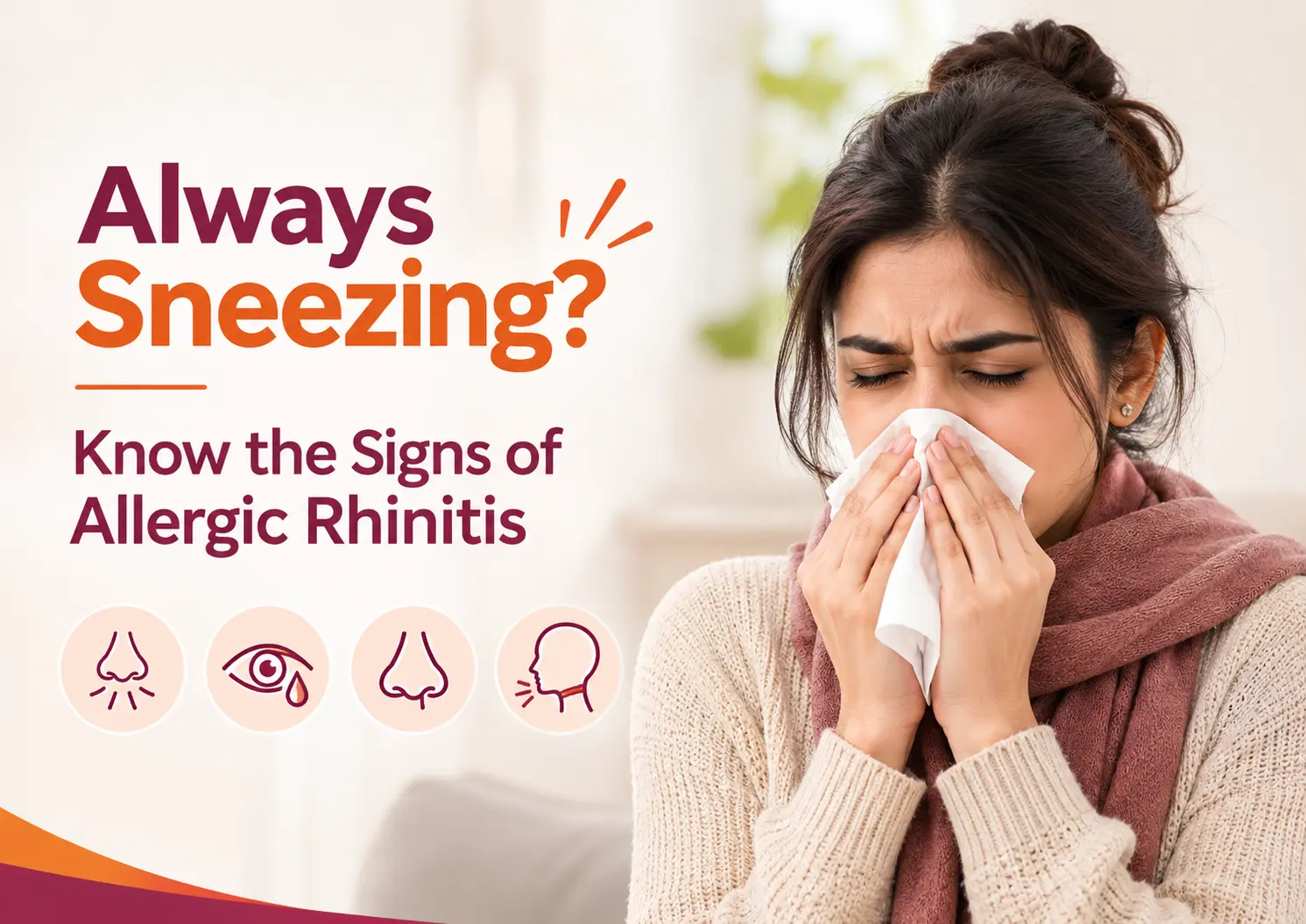
Always Sneezing? Understand the Causes and Treatment of Allergic Rhinitis

- What Are the Common Symptoms of Allergic Rhinitis?
- What Causes Allergic Rhinitis?
- Seasonal vs Perennial Allergic Rhinitis
- Allergic Rhinitis vs Common Cold: How Can You Tell the Difference?
- How Is Allergic Rhinitis Diagnosed?
- What Are the Treatment Options for Allergic Rhinitis?
- How Can You Prevent or Reduce Allergic Rhinitis Symptoms?
- When Should You Consult an ENT Specialist?
- Conclusion
Summary
-
Allergic rhinitis is an inflammatory condition caused by the immune system’s reaction to allergens such as dust mites, pollen, mould, and pet allergens.
-
Common symptoms include repeated sneezing, a runny or blocked nose, nasal and throat itching, watery eyes, postnasal drip, and fatigue.
-
Common triggers include indoor and outdoor allergens, while pollution, smoke, and strong fragrances may worsen nasal irritation.
-
Allergic rhinitis can be seasonal or perennial, depending on when symptoms occur and how long they persist.
-
Unlike the common cold, allergic rhinitis often causes nasal itching, repetitive sneezing, and watery eyes, with symptoms recurring after exposure to triggers.
-
Diagnosis involves reviewing symptoms, medical history, and nasal examination. Allergy testing may be recommended when necessary.
-
Treatment options include antihistamines, corticosteroid nasal sprays, saline rinses, selected short-term decongestants, and allergen immunotherapy for eligible patients.
-
Preventive measures include identifying triggers, reducing allergen exposure, maintaining a clean indoor environment, and following medical advice.
-
An ENT consultation is recommended when symptoms persist, recur frequently, disturb sleep, or do not improve with appropriate treatment.
-
Miracles Healthcare has a team of ENT specialists to assess recurring nasal allergy symptoms and guide suitable treatment options. Call 906-906-8800 to book a consultation.
Do you frequently wake up with a blocked nose, experience repeated sneezing, or struggle with itchy, watery eyes? If these symptoms occur regularly, particularly after exposure to dust, pollen, or pollution, allergic rhinitis could be one possible explanation.
Allergic rhinitis is a common inflammatory condition in which the immune system reacts to otherwise harmless substances called allergens. This reaction affects the lining of the nose and can cause sneezing, nasal congestion, a runny nose, and itching. Symptoms may occur during particular seasons or continue throughout the year, depending on the triggers.
Although allergic rhinitis is not usually a serious condition, persistent symptoms can interfere with sleep, concentration, work, school, and everyday activities. Recognising the symptoms early can help you identify possible triggers and seek appropriate medical care.
What Are the Common Symptoms of Allergic Rhinitis?
The most common allergic rhinitis symptoms affect the nose and eyes. They often begin within minutes of exposure to an allergen, although the timing and severity can vary between individuals.
Here are the key symptoms to recognise.
1. Frequent Sneezing
Repeated sneezing, particularly in the morning or after exposure to dust, is a common sign of allergic rhinitis. It occurs when allergens irritate the nasal lining and trigger an inflammatory response.
Some people experience several sneezes in succession, especially while cleaning their homes, entering dusty environments, or spending time outdoors during periods of high pollen exposure.
Dr. Priyanjana Acharyya, Senior ENT Doctor in Gurgaon at Miracles Healthcare, explains, “Frequent sneezing, especially in the morning or after exposure to dust and pollen, can be a sign of allergic rhinitis. If you notice that these episodes keep recurring, it is important to identify the triggers and seek medical advice for appropriate diagnosis and treatment.”
If sneezing keeps returning without other typical signs of an infection, consider consulting an ENT specialist to identify the possible cause and discuss suitable treatment options.
2. Runny Nose With Clear, Watery Discharge
Another common symptom of allergic rhinitis is a runny nose, medically known as rhinorrhoea. The nasal passages produce excess watery mucus in response to an allergen.
You may notice that your nose runs repeatedly, even when you do not have a fever or feel generally unwell. The discharge is often clear and watery.
However, nasal discharge alone cannot confirm an allergy. Other conditions can also cause a runny nose, so the duration of symptoms and possible triggers are important.
3. Blocked or Stuffy Nose
Nasal congestion occurs when inflammation and swelling narrow the nasal passages, making it difficult to breathe comfortably through the nose.
You may notice:
-
Difficulty breathing through one or both nostrils.
-
A blocked nose that becomes worse at night.
-
Mouth breathing during sleep.
-
A reduced sense of smell.
-
Difficulty sleeping because of nasal obstruction.
Persistent nasal blockage can be particularly disruptive because it may affect sleep quality and daytime energy. If congestion continues despite appropriate treatment, an ENT specialist can assess whether allergies or another nasal condition is responsible.
4. Itching in the Nose, Throat, or Roof of the Mouth
An itchy nose is a characteristic symptom of allergic rhinitis. Some people also experience itching in the throat, ears, or roof of the mouth.
The urge to rub or scratch the nose can become especially noticeable after contact with dust, pollen, or other allergens.
Repeatedly rubbing the nose may irritate the surrounding skin. If itching occurs alongside frequent sneezing and clear nasal discharge, an allergic cause becomes more likely, although a clinical assessment may still be necessary.
Dr. Priyanjana says, “Persistent itching in the nose or throat, especially when accompanied by repeated sneezing and a runny nose, may indicate an allergic reaction. Identifying the possible triggers and getting the right medical advice can help manage these symptoms and reduce their impact on your daily life.”
5. Red, Itchy, and Watery Eyes
Allergic rhinitis may occur alongside allergic conjunctivitis, an allergic reaction affecting the eyes.
Common symptoms include:
-
Redness in one or both eyes.
-
Persistent itching around the eyes.
-
Excessive tearing or watery discharge.
-
Mild swelling around the eyelids.
-
Discomfort during periods of allergen exposure.
Eye symptoms may become more noticeable during pollen seasons or after exposure to indoor allergens. Avoid rubbing your eyes, as this can worsen irritation.
Eye pain, significant sensitivity to light, or changes in vision should not be assumed to be allergy symptoms and require prompt medical assessment.
6. Postnasal Drip and Throat Irritation
Postnasal drip occurs when mucus from the nose flows down the back of the throat. It can cause a sensation of mucus collecting in the throat, frequent throat clearing, or an irritating cough.
Some people notice that their throat feels scratchy, particularly in the morning or when lying down.
Postnasal drip may also occur with sinusitis, respiratory infections, and other conditions. A healthcare professional can help distinguish between these possibilities when symptoms persist.
7. Headaches, Facial Pressure, and Fatigue
Persistent nasal congestion can contribute to discomfort around the forehead or face. Poor sleep caused by nasal obstruction may also lead to daytime tiredness, reduced concentration, and irritability.
However, significant facial pain or a severe headache is not specific to allergic rhinitis. These symptoms may indicate another condition, particularly when accompanied by fever, worsening illness, or other concerning features.
What Causes Allergic Rhinitis?
Allergic rhinitis develops when the immune system reacts to an allergen. In a sensitised person, exposure can trigger the release of inflammatory chemicals, including histamine, leading to nasal itching, sneezing, mucus production, and congestion.
Common allergic rhinitis triggers include:
-
House dust mites: Microscopic organisms found in bedding, mattresses, carpets, and upholstered furniture.
-
Pollen: Released by trees, grasses, and weeds, often contributing to seasonal symptoms.
-
Mould: Fungi that grow in damp areas and release spores into the air.
-
Pet allergens: Proteins found in animal skin flakes, saliva, and urine.
-
Occupational allergens: Certain workplace substances, including flour dust, wood dust, and other airborne particles.
Air pollution, cigarette smoke, strong fragrances, and changes in temperature can also irritate the nasal passages. These substances may aggravate symptoms, but irritation alone does not establish that a person has allergic rhinitis.
Identifying the pattern of exposure can help determine which triggers may be contributing to symptoms.
Dr. Priyanjana explains, “Allergic rhinitis symptoms can vary from person to person. Paying attention to when sneezing, nasal congestion, and itching occur can help identify possible triggers. If these symptoms keep returning, a medical evaluation can help determine the underlying cause and guide appropriate treatment.”
Seasonal vs Perennial Allergic Rhinitis
Allergic rhinitis is commonly described according to when symptoms occur.
-
Seasonal allergic rhinitis: Symptoms appear or worsen during particular periods of the year, often because of exposure to pollen or outdoor mould spores.
-
Perennial allergic rhinitis: Symptoms occur throughout much of the year, frequently because of indoor allergens such as house dust mites, mould, or pet allergens.
Some people experience both patterns. Symptoms can also vary depending on weather, environmental exposure, and the individual’s sensitivity to specific allergens.
Keeping a simple record of symptoms, activities, and possible exposures can help your doctor identify patterns.
Allergic Rhinitis vs Common Cold: How Can You Tell the Difference?
Allergic rhinitis and the common cold can cause sneezing, a runny nose, and nasal congestion. However, certain patterns may help distinguish between them.
|
Feature |
Allergic rhinitis |
Common cold |
|
Main cause |
Reaction to allergens |
Viral infection |
|
Sneezing |
Often frequent and repetitive |
May occur |
|
Nasal itching |
Common |
Less typical |
|
Eye itching and watering |
Common in associated eye allergy |
Less typical |
|
Fever |
Not a usual feature |
Sometimes present |
|
Duration |
Can recur or persist while exposed to triggers |
Usually improves within 1–2 weeks |
|
Symptom pattern |
Often linked to particular exposures |
Often develops over several days |
These differences are general indicators, not a substitute for diagnosis. Viral infections and allergies can also occur at the same time.
If symptoms persist, recur frequently, or do not improve as expected, seek medical advice rather than repeatedly treating them as a common cold.
How Is Allergic Rhinitis Diagnosed?
An ENT specialist or another appropriately qualified healthcare professional can assess allergic rhinitis using your symptoms, medical history, and clinical examination.
The evaluation may include:
-
Symptom history: Your doctor may ask when symptoms started, how frequently they occur, whether they worsen in specific environments, and whether you have asthma, eczema, or other allergic conditions.
-
Nasal examination: The doctor may examine the nasal passages for swelling, discharge, and other findings that support an allergic cause.
-
Allergy testing: A skin-prick test or a blood test measuring allergen-specific immunoglobulin E (IgE) may be recommended when the diagnosis is uncertain, initial treatment is unsuccessful, or identifying a specific allergen would help guide management.
Not everyone requires allergy testing. Routine CT scans or other sinus imaging are generally unnecessary when the symptoms and examination are consistent with uncomplicated allergic rhinitis.
Dr. Priyanjana Acharyya explains, “The symptoms of allergic rhinitis can overlap with those of a common cold and other nasal conditions. A proper assessment helps distinguish between these conditions and avoids relying on guesswork or repeatedly taking medication without understanding the cause.”
What Are the Treatment Options for Allergic Rhinitis?
Allergic rhinitis treatment aims to reduce symptoms, improve breathing and sleep, and help patients maintain their usual activities. Treatment depends on symptom severity, the main symptoms, age, medical history, and response to previous treatment.
1. Antihistamines
Antihistamines help reduce symptoms associated with histamine release, particularly sneezing, itching, and a runny nose. They are available in oral and nasal formulations.
Some antihistamines can cause drowsiness. Your doctor or pharmacist can advise you about suitable options and precautions.
2. Corticosteroid Nasal Sprays
Intranasal corticosteroid sprays reduce inflammation inside the nose and are commonly recommended for persistent or troublesome allergic rhinitis.
They can help relieve nasal congestion, sneezing, itching, and a runny nose. Correct technique and regular use as directed are important for achieving the intended benefit.
3. Saline Nasal Sprays or Rinses
Saline solutions can help clear mucus and allergens from the nasal passages. They may be used alongside other treatments.
For nasal irrigation, use sterile or distilled water, or water that has been appropriately boiled and cooled. Clean the irrigation device according to its instructions.
4. Decongestants
Decongestants may provide short-term relief from nasal blockage in selected patients. However, nasal decongestant sprays should not be used for prolonged periods because they can cause rebound congestion.
Ask a healthcare professional about appropriate duration and suitability, especially for children, pregnant individuals, and people with underlying medical conditions.
5. Allergen Avoidance and Immunotherapy
Reducing exposure to identified allergens can help control symptoms. For selected patients whose symptoms remain troublesome, an allergy specialist may consider allergen immunotherapy after appropriate assessment and testing.
Do not start, stop, or combine medicines without considering your medical history and professional advice.
Dr. Priyanjana Acharyya says, “The right treatment depends on the type and severity of symptoms, how frequently they occur, and how they affect everyday life. Patients should follow an appropriate treatment plan and seek medical advice if their symptoms remain uncontrolled rather than continuing to self-medicate.”
How Can You Prevent or Reduce Allergic Rhinitis Symptoms?
Although complete avoidance of allergens is not always possible, practical measures may reduce exposure and help manage symptoms.
-
Wash bedding regularly and keep sleeping areas clean.
-
Use a damp cloth when dusting to reduce airborne particles.
-
Address dampness and mould in the home.
-
Keep windows closed when outdoor pollen levels are high, where practical.
-
Shower and change clothes after spending time outdoors during high-pollen periods.
-
Avoid cigarette smoke and other known irritants.
-
Follow your prescribed treatment plan and use nasal sprays correctly.
The most useful preventive measures depend on the allergens that trigger your symptoms. Avoid unnecessary restrictions or costly interventions unless there is a clear reason to use them.
Dr. Priyanjana says, “Managing allergic rhinitis involves more than relieving symptoms when they appear. Understanding your triggers, reducing exposure where possible, and following medical advice can help you manage recurring symptoms and maintain your daily routine.”
When Should You Consult an ENT Specialist?
Occasional sneezing may not require medical attention, but recurring or persistent symptoms deserve assessment when they affect your daily life.
Consider consulting an ENT specialist near you if:
-
Nasal congestion, sneezing, or itching continues for several weeks.
-
Symptoms interfere with sleep, work, studies, or other activities.
-
Over-the-counter treatments do not provide adequate relief.
-
You are unsure whether the symptoms are caused by an allergy, sinusitis, or another condition.
-
You have asthma and notice worsening respiratory symptoms.
Seek urgent medical care if you experience severe breathing difficulty or swelling of the tongue or throat. These symptoms may indicate a serious allergic reaction or another medical emergency.
Conclusion:
Recognising allergic rhinitis symptoms is an important step towards managing recurring sneezing, nasal congestion, a runny nose, and itchy or watery eyes. Although these symptoms are common, they should not automatically be attributed to allergies, especially when they persist, worsen, or interfere with everyday life.
Understanding your triggers, following appropriate preventive measures, and receiving a timely medical assessment can help you find a suitable management plan.
At Miracles Healthcare, the ENT doctor team can also advise you on managing potential triggers and reducing the impact of recurring nasal allergies on your daily routine.
Call 906-906-8800 to book your consultation and take the next step towards better nasal health.
Written and Verified by:

Frequently Asked Questions
Allergic rhinitis is diagnosed through medical history, symptom assessment, and nasal examination. Allergy testing may be recommended when needed, and management includes trigger avoidance and appropriate medication.
Yes, allergies can cause inflammation and swelling of the nasal lining, leading to nasal congestion, difficulty breathing through the nose, and disturbed sleep.
Keep your home dust-free, wash bedding regularly, address indoor mould, avoid known allergens, and limit exposure to pollen and smoke when possible.
Treatment depends on symptom severity and may include antihistamines, corticosteroid nasal sprays, saline rinses, and allergen avoidance under medical guidance.
There is no guaranteed permanent cure, but allergen immunotherapy may provide long-term symptom relief for selected patients after specialist evaluation.
Common options include antihistamines such as cetirizine or loratadine, corticosteroid nasal sprays such as fluticasone, and antihistamine nasal sprays such as azelastine. The appropriate choice depends on your symptoms and medical history.






Was the information useful?
0 0