


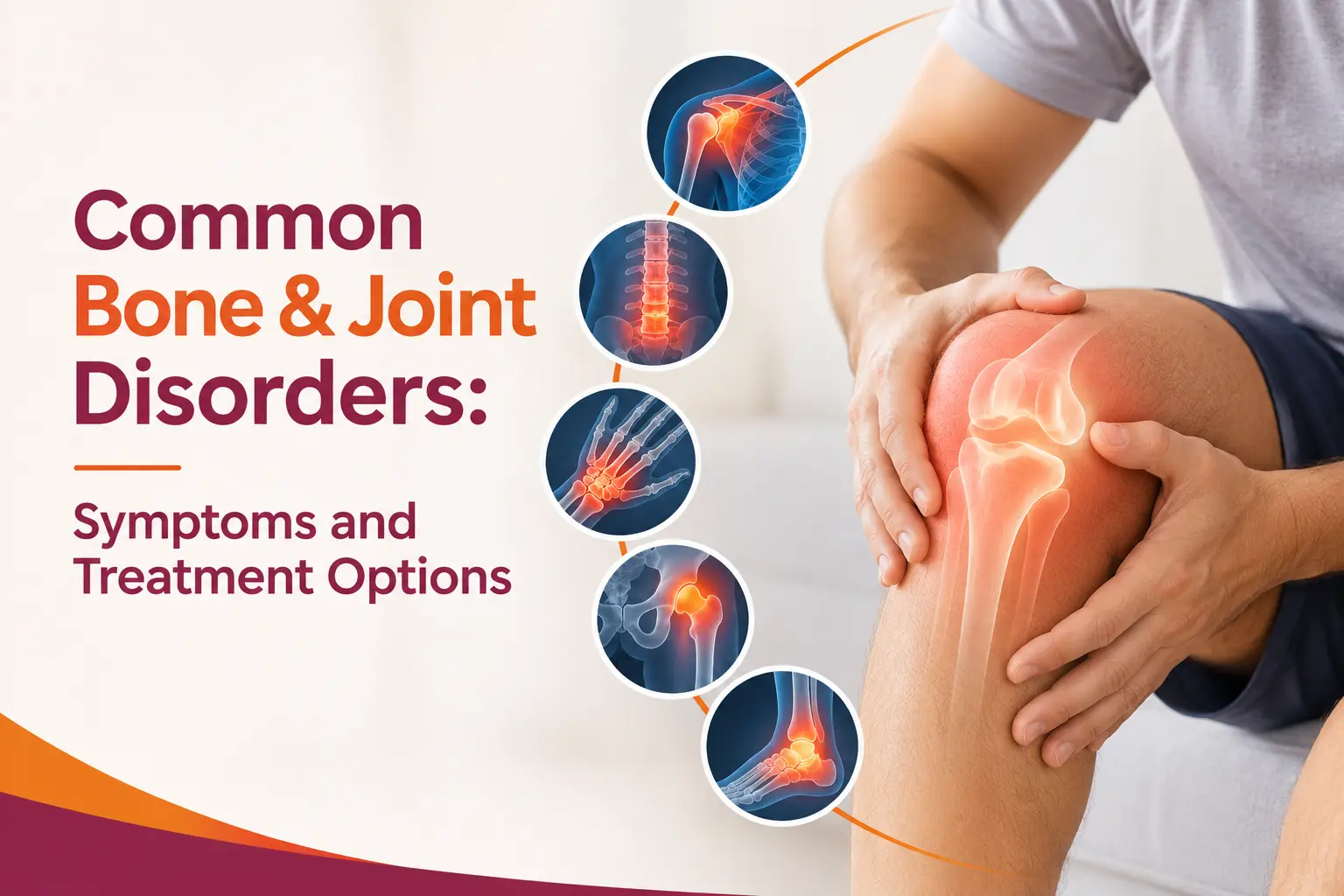
Common Orthopaedic Conditions and Their Treatment Approaches

- What Are Orthopaedic Conditions?
- 8 Common Orthopedic Conditions and Their Treatment Approaches
- How Are Orthopaedic Conditions Diagnosed?
- Non-Surgical vs Surgical Treatment for orthopedic problems
- Tips to Maintain Healthy Bones and Joints
- When Should You Consult an Orthopaedic Specialist?
- Get Orthopaedic Care at Miracles Healthcare, Gurgaon
Summary
-
Orthopaedic conditions affect bones, joints, muscles, ligaments, tendons, and the spine, impacting mobility and everyday activities.
-
Common conditions include osteoarthritis, osteoporosis, lower back pain, fractures, sports injuries, cervical spondylosis, frozen shoulder, and plantar fasciitis.
-
Symptoms may include persistent pain, stiffness, swelling, reduced flexibility, muscle weakness, and difficulty moving.
-
Treatment depends on the diagnosis and severity and may involve medication, physiotherapy, lifestyle changes, supportive devices, injections, or surgery.
-
Diagnostic tests such as X-rays, MRI, CT scans, DEXA scans, and blood tests help identify underlying orthopaedic problems.
-
Non-surgical treatment is often considered first when appropriate, while surgery may be required for severe joint damage, fractures, ligament injuries, or spinal conditions.
-
Regular exercise, balanced nutrition, healthy weight management, good posture, and fall prevention can support bone and joint health.
-
Persistent pain, restricted movement, recurring swelling, or symptoms following an injury should be evaluated by an orthopaedic specialist.
-
Miracles Healthcare, Gurgaon, offers orthopaedic consultations and personalised treatment guidance for bone, joint, muscle, and spine-related conditions under the care team of orthopedists and physiotherapists.
Pain in the knees, back, shoulders, or other joints can make everyday activities increasingly difficult. Walking, climbing stairs, sitting for extended periods, or even getting out of bed may become uncomfortable when joint pain or stiffness starts affecting mobility. While occasional muscle soreness may settle with rest, persistent pain, swelling, or restricted movement could indicate an underlying orthopaedic problem that needs medical attention.
Orthopaedic conditions affect the musculoskeletal system, including the bones, joints, muscles, ligaments, tendons, and spine. They may develop slowly due to ageing, repetitive stress, lifestyle habits, or degenerative changes, or occur suddenly following an accident, fall, or sports injury. Depending on the condition, symptoms can range from mild discomfort to significant pain and difficulty performing routine activities.
Several orthopaedic conditions can be managed with appropriate medical care, rehabilitation, and lifestyle modifications. Depending on the diagnosis and severity, treatment may involve medication, physiotherapy, supportive devices, minimally invasive procedures, or surgery.
Understanding common orthopaedic conditions, their symptoms, and available treatment approaches can help individuals recognise potential problems early and seek appropriate medical care.
What Are Orthopaedic Conditions?
Orthopedic conditions are disorders or injuries that affect the musculoskeletal system, which provides the body with structure, stability, and the ability to move. This system includes bones, joints, cartilage, muscles, ligaments, tendons, and the spine.
When any of these structures becomes injured, inflamed, damaged, or weakened, it can affect movement and cause symptoms such as pain, stiffness, swelling, muscle weakness, or reduced flexibility.
These conditions can affect individuals at different stages of life, although their causes and presentations may vary.
-
Children: May experience bone development disorders, posture-related concerns, or sports injuries.
-
Young adults: May develop ligament injuries, muscle strains, and repetitive stress-related conditions.
-
Working professionals: May experience neck pain, back discomfort, and joint stiffness associated with prolonged sitting and limited physical activity.
-
Older adults: May be more susceptible to osteoarthritis, osteoporosis, fractures, and age-related spinal conditions.
According to Dr. Sumit Anand, an experienced orthopaedist specialist in Gurgaon at Miracles Healthcare, “Orthopedic diseases can affect people at any age, although the underlying causes may differ. Persistent pain, stiffness, or difficulty with movement should be evaluated rather than ignored, as identifying the cause is essential for planning appropriate treatment.”
The choice of treatment depends on several factors, including the affected body part, severity of the condition, age, overall health, and the impact of symptoms on daily activities.
8 Common Orthopedic Conditions and Their Treatment Approaches
Several orthopaedic conditions can affect mobility and quality of life. Here are eight commonly encountered problems and the treatment options that may be considered.
1. Osteoarthritis
Osteoarthritis is a degenerative joint condition that develops when the protective cartilage covering the ends of bones slowly wears down. It commonly affects the knees, hips, hands, and spine.
Although ageing is an important risk factor, previous joint injuries, excess body weight, repetitive joint stress, and genetic factors can also contribute to its development.
Common symptoms:
-
Joint pain that may increase with activity.
-
Stiffness, particularly after waking up or remaining inactive.
-
Swelling around the affected joint.
-
Reduced flexibility and range of motion.
-
Difficulty walking, climbing stairs, or performing routine activities.
Treatment approaches:
Treatment for osteoarthritis focuses on managing discomfort, maintaining joint function, and supporting mobility. Depending on the severity, an orthopaedic doctor may recommend:
-
Lifestyle modifications: Maintaining a healthy weight and avoiding activities that place excessive stress on affected joints.
-
Physiotherapy: Targeted exercises to strengthen surrounding muscles and improve flexibility.
-
Medications: Appropriate pain-relieving or anti-inflammatory medicines, depending on individual health requirements.
-
Supportive devices: Knee braces, walking aids, or other assistive devices when required.
-
Joint injections: Selected patients may be considered for injections after clinical evaluation.
-
Joint replacement surgery: Partial or total joint replacement may be considered when advanced joint damage causes significant pain and functional limitations despite appropriate non-surgical treatment.
According to Dr. Sumit Anand, “Osteoarthritis management is not limited to relieving joint pain. Maintaining muscle strength, improving mobility, managing body weight, and selecting the right treatment at the appropriate stage are important considerations in long-term joint care.”
2. Osteoporosis
Osteoporosis is a bone condition characterised by reduced bone density and deterioration of bone structure, making bones more fragile and increasing the risk of fractures.
It is more common among older adults, particularly postmenopausal women, although it can affect men and younger individuals as well. Risk factors include ageing, hormonal changes, inadequate calcium and vitamin D intake, certain medical conditions, and long-term use of specific medications.
Dr. Sumit explains, “Osteoporosis can slowly weaken bones without noticeable symptoms. Regular bone health assessments, adequate nutrition, and timely medical intervention are important for reducing fracture risk and maintaining bone strength.”
Common symptoms:
Osteoporosis is often called a silent condition because it may not cause noticeable symptoms until a fracture occurs. Some individuals may experience:
-
Back pain associated with spinal compression fractures.
-
Loss of height over time.
-
Changes in posture, including a stooped appearance.
-
Fractures following minor falls or injuries.
Treatment approaches:
The treatment objective is to improve bone health, reduce fracture risk, and prevent further bone loss.
Osteoporosis treatment may include:
-
Nutritional support: Adequate calcium and vitamin D intake through diet and supplements when medically indicated.
-
Weight-bearing exercises: Activities such as walking and appropriate resistance training to support bone and muscle health.
-
Medication: Prescription medicines that help reduce bone loss or improve bone formation, depending on the patient’s condition.
-
Fall prevention: Home safety modifications and balance exercises to reduce the risk of falls.
-
Fracture management: Specialised treatment for fractures, including spinal compression fractures, when present.
Bone mineral density testing may be recommended to assess bone health and guide treatment decisions. A DEXA scan is commonly used to evaluate bone density and help determine whether medical intervention is required.
3. Lower Back Pain and Spinal Conditions
Lower back pain is a common musculoskeletal complaint that can affect people of different age groups. It may develop due to muscle strain, poor posture, prolonged sitting, spinal degeneration, or injuries.
In some cases, back pain may be associated with conditions such as a herniated disc, spinal stenosis, or spondylosis.
Common symptoms:
-
Persistent or recurring lower back pain.
-
Stiffness and difficulty bending.
-
Pain that increases after prolonged sitting or standing.
-
Pain radiating towards the buttocks or legs.
-
Tingling, numbness, or weakness when nerves are affected.
Treatment approaches:
Treatment depends on the underlying cause and whether the condition involves muscles, joints, discs, or spinal nerves.
Common approaches include:
-
Activity modification: Avoiding movements that aggravate pain while maintaining appropriate daily activity.
-
Physiotherapy: Exercises to improve core strength, flexibility, posture, and spinal mobility.
-
Medications: Pain-relieving or anti-inflammatory medicines when prescribed.
-
Posture correction: Adjusting sitting positions, workstation arrangements, and lifting techniques.
-
Interventional procedures: Selected patients may benefit from specific pain-management procedures.
-
Spinal surgery: Surgery may be considered in carefully selected cases involving significant nerve compression, spinal instability, or persistent symptoms despite appropriate conservative treatment.
Dr. Anand explains, “Back pain can have several underlying causes, ranging from muscle strain to spinal conditions. Identifying the source of pain through a proper clinical assessment is important because treatment should address the underlying problem rather than focus only on temporary symptom relief.”
Back pain accompanied by new bladder or bowel control problems, numbness around the groin, or progressive leg weakness requires immediate medical assessment.
4. Fractures and Broken Bones
A fracture refers to a partial or complete break in a bone. It can occur following road accidents, falls, sports injuries, or direct impact. In individuals with weakened bones, even relatively minor injuries may cause fractures.
Fractures can be classified as simple, displaced, non-displaced, open, or complex, depending on the nature and severity of the injury.
Common symptoms:
-
Sudden pain following an injury.
-
Swelling and bruising around the affected area.
-
Difficulty moving or using the injured limb.
-
Visible deformity in certain fractures.
-
Tenderness around the affected bone.
Treatment approaches:
Fracture treatment aims to restore bone alignment, maintain stability, and allow the bone to heal.
Depending on the injury, treatment may include:
-
Immobilisation: Casts, splints, or braces to restrict movement and support healing.
-
Closed reduction: Realignment of the broken bone without surgically opening the affected area.
-
Internal fixation: Surgical placement of plates, screws, rods, or pins to stabilise the fracture.
-
External fixation: A specialised stabilising frame positioned outside the body in selected complex injuries.
-
Rehabilitation: Physiotherapy to restore strength, flexibility, and movement after the bone has healed sufficiently.
The recovery period varies according to the fracture location, severity, age, and overall bone health.
5. Sports Injuries and Ligament Tears
Sports injuries can affect athletes as well as individuals who participate in recreational exercise or physical activities. They commonly involve muscles, tendons, ligaments, and joints.
Common examples include ankle sprains, muscle strains, meniscus injuries, and anterior cruciate ligament (ACL) tears.
These injuries may occur due to sudden twisting movements, improper landing, excessive training, direct impact, or inadequate conditioning.
Common symptoms:
-
Sudden pain during physical activity.
-
Swelling around the affected joint.
-
Difficulty bearing weight.
-
Joint instability or a feeling that the joint may give way.
-
Restricted movement and reduced muscle strength.
Treatment approaches:
Treatment depends on the injured structure and the extent of damage.
-
Initial injury management: Protecting the affected area, modifying activities, and using appropriate cold therapy for swelling.
-
Physiotherapy: Strengthening exercises, flexibility training, and balance exercises.
-
Medications: Appropriate medicines for pain and inflammation when advised.
-
Bracing: Supportive braces may be recommended for selected ligament injuries.
-
Arthroscopic surgery: Minimally invasive surgery may be considered for certain injuries, including selected ACL or meniscus tears.
Returning to sports should be slow and based on recovery of strength, stability, and functional ability rather than pain relief alone.
6. Cervical Spondylosis
Cervical spondylosis refers to age-related degenerative changes affecting the discs, joints, and other structures of the neck. These changes can develop slowly and may sometimes cause pressure on nearby nerves or the spinal cord.
Prolonged poor posture, previous neck injuries, and age-related disc degeneration may contribute to symptoms.
Common symptoms:
-
Reduced neck movement.
-
Shoulder discomfort.
-
Headaches originating around the neck.
-
Tingling, numbness, or weakness in the arms or hands when nerves are affected.
Treatment approaches:
Treatment is based on the severity of symptoms and the presence of nerve or spinal cord involvement.
Possible approaches include:
-
Physiotherapy: Guided neck exercises and strengthening of supporting muscles.
-
Posture correction: Maintaining appropriate neck alignment while working, reading, or using digital devices.
-
Medication: Prescribed pain-relieving or anti-inflammatory medicines.
-
Activity modification: Taking breaks from prolonged sitting and avoiding movements that worsen symptoms.
-
Surgical intervention: In selected cases involving significant nerve or spinal cord compression, surgery may be recommended to relieve pressure and stabilise the spine.
Progressive weakness, difficulty walking, or loss of coordination should be evaluated promptly.
7. Frozen Shoulder
Frozen shoulder, medically known as adhesive capsulitis, is a condition in which the connective tissue surrounding the shoulder joint becomes thickened and tight, restricting shoulder movement.
It may develop slowly and is more frequently seen in middle-aged adults. People with diabetes and certain thyroid disorders may have an increased risk.
Common symptoms:
-
Persistent shoulder pain.
-
Increasing stiffness.
-
Difficulty raising the arm.
-
Discomfort while reaching behind the back.
-
Difficulty performing activities such as dressing or combing hair.
Treatment approaches:
Treatment generally focuses on reducing pain and slowly restoring shoulder movement.
Options may include:
-
Physiotherapy: Gentle stretching and mobility exercises to improve the shoulder’s range of motion.
-
Pain management: Appropriate medications to manage discomfort.
-
Corticosteroid injections: These may be considered in selected patients to reduce inflammation and pain.
-
Joint distension: A procedure that may be considered in certain cases to improve shoulder movement.
-
Manipulation under anaesthesia or arthroscopic capsular release: These procedures may be considered for selected patients with persistent, significant stiffness despite appropriate non-surgical treatment.
Recovery can take several months, and treatment progress varies between individuals.
8. Plantar Fasciitis
Plantar fasciitis is a common cause of heel pain. It involves irritation of the plantar fascia, a thick band of tissue extending along the bottom of the foot and connecting the heel to the toes.
It may develop due to repetitive stress, prolonged standing, sudden increases in physical activity, inadequate footwear support, or other biomechanical factors.
Common symptoms:
-
Sharp heel pain during the first steps in the morning.
-
Pain after sitting for a prolonged period.
-
Discomfort after extended standing or walking.
-
Tenderness around the bottom of the heel.
Treatment approaches:
Most patients initially receive non-surgical treatment, which may include:
-
Stretching exercises: Gentle stretching of the calf muscles and plantar fascia.
-
Footwear modifications: Wearing supportive shoes with appropriate cushioning.
-
Activity modification: Temporarily reducing activities that aggravate heel pain.
-
Physiotherapy: Targeted exercises to improve foot and ankle flexibility and strength.
-
Orthotic support: Shoe inserts may help selected individuals.
-
Other procedures: Certain patients with persistent symptoms may be considered for additional treatments, such as extracorporeal shockwave therapy or surgery in uncommon cases.
Early evaluation can help identify the cause of heel pain and guide appropriate management.
How Are Orthopaedic Conditions Diagnosed?
Accurate diagnosis is important because different orthopaedic conditions can produce similar symptoms. For example, knee pain may be related to osteoarthritis, ligament injuries, cartilage damage, or other joint problems.
An orthopaedic specialist generally evaluates the patient’s symptoms, medical history, physical condition, and functional limitations.
Dr. Sumit Anand says, “A correct diagnosis is the foundation of effective orthopaedic treatment. A detailed clinical examination, supported by appropriate diagnostic tests, helps identify the underlying problem and guide treatment decisions.”
Depending on the suspected condition, diagnostic investigations may include:
-
Physical Examination: The doctor assesses joint movement, muscle strength, tenderness, swelling, stability, and posture.
-
X-ray: Helps identify fractures, joint-space changes, bone deformities, and certain degenerative conditions.
-
MRI: Provides detailed images of soft tissues, including ligaments, tendons, cartilage, spinal discs, and muscles.
-
CT Scan: Helps evaluate complex fractures and detailed bone structures.
-
Bone Mineral Density Test: A DEXA scan may be recommended to assess bone density and identify osteoporosis.
-
Blood Tests: These may be advised when an inflammatory, metabolic, or other systemic condition is suspected.
Not every patient requires all these investigations. The choice depends on the clinical findings and suspected diagnosis.
Non-Surgical vs Surgical Treatment for orthopedic problems
Orthopaedic treatment is not limited to surgery. Many conditions can initially be managed through non-surgical approaches, depending on their severity and the patient’s overall health.
|
Non-surgical treatment |
Surgical treatment |
|
Medication for pain and inflammation |
Joint replacement |
|
Physiotherapy and rehabilitation |
Fracture fixation |
|
Lifestyle modifications |
Arthroscopic procedures |
|
Supportive braces and orthotics |
Ligament reconstruction |
|
Selected joint injections |
Selected spinal procedures |
Non-surgical treatment is often considered first when clinically appropriate. However, surgery may be necessary for certain fractures, severe joint damage, significant instability, or nerve compression.
Dr. Sumit says, “Surgery is not necessarily the first step for every orthopaedic problem. The treatment decision should be based on the diagnosis, severity of symptoms, functional limitations, and response to non-surgical management. The aim is to select an approach that addresses the patient’s individual needs.”
The decision should be made after discussing the potential benefits, risks, alternatives, and expected rehabilitation requirements with an orthopaedic specialist.
Tips to Maintain Healthy Bones and Joints
Although not all orthopaedic conditions can be prevented, healthy habits can support musculoskeletal health and reduce certain risk factors.
Here are some practical measures:
-
Stay physically active: Include appropriate walking, strengthening, and flexibility exercises in your routine.
-
Maintain a healthy weight: Excess body weight can increase stress on weight-bearing joints such as the knees and hips.
-
Follow a balanced diet: Include calcium-rich foods, adequate protein, and vitamin D as part of a balanced nutritional plan.
-
Maintain good posture: Use appropriate sitting arrangements and avoid remaining in one position for extended periods.
-
Wear suitable footwear: Choose comfortable shoes that provide appropriate support for your activities.
-
Avoid sudden increases in exercise: Slowly increase workout intensity and allow adequate recovery.
-
Prevent falls: Keep walking areas clear, ensure adequate lighting, and use appropriate support when needed.
-
Seek timely medical advice: Persistent pain, swelling, stiffness, or restricted movement should not be ignored.
When Should You Consult an Orthopaedic Specialist?
Occasional muscle soreness may improve with rest and appropriate activity modification. However, certain symptoms require professional evaluation to identify the underlying cause.
Consider consulting an orthopaedic doctor near you if you experience:
-
Joint or bone pain that persists or repeatedly returns.
-
Swelling, stiffness, or restricted joint movement.
-
Difficulty walking, standing, or climbing stairs.
-
Recurrent back or neck pain.
-
Pain following a fall, accident, or sports injury.
-
Numbness, tingling, or weakness in the arms or legs.
-
Repeated joint instability or difficulty bearing weight.
Seek urgent medical attention following a serious injury, particularly if there is an open wound over a suspected fracture, visible deformity, severe swelling, or loss of sensation or circulation in the affected limb.
Early assessment can help determine whether the problem requires conservative treatment, rehabilitation, further investigations, or surgical intervention.
Get Orthopaedic Care at Miracles Healthcare, Gurgaon
Musculoskeletal health plays an important role in maintaining independence, mobility, and overall quality of life. Persistent joint pain, back discomfort, sports injuries, or difficulty with everyday movements should receive appropriate medical attention rather than being managed through repeated self-medication.
Miracles Healthcare is a NABH-accredited orthopaedic hospital in gurgaon has been providing orthopedic care supported by a team of orthopedic specialists and physiotherapists since 2002. Our team of experts can help you understand the cause of your bone, joint, or spine-related concerns and explore suitable treatment options. So, do not let persistent pain or difficulty with movement affect your daily life. To schedule a consultation with an orthopaedic specialist to discuss your symptoms and receive personalised medical guidance, call us at 906-906-8800
Written and Verified by:

Frequently Asked Questions
Common orthopaedic surgeries include knee replacement, hip replacement, arthroscopy, ACL reconstruction, fracture fixation, spinal surgery, rotator cuff repair, meniscus repair, carpal tunnel release, and shoulder replacement.
Common orthopaedic conditions include osteoarthritis, osteoporosis, rheumatoid arthritis, spondylitis, scoliosis, and degenerative disc disease.
The four common types are sprains (ligament injuries), strains (muscle or tendon injuries), fractures (broken bones), and dislocations (bones displaced from joints).
Seven common injury types include fractures, sprains, strains, dislocations, contusions (bruises), tendon injuries, and ligament tears.
Orthopaedic specialists treat joint pain, arthritis, fractures, sports injuries, back and neck problems, osteoporosis, ligament tears, and musculoskeletal deformities.
Knee replacement is among the most commonly performed major orthopaedic operations, particularly for people with advanced knee osteoarthritis.





Was the information useful?
0 0