


Orthopedic Conditions We Treat
Comprehensive Care for Your Health

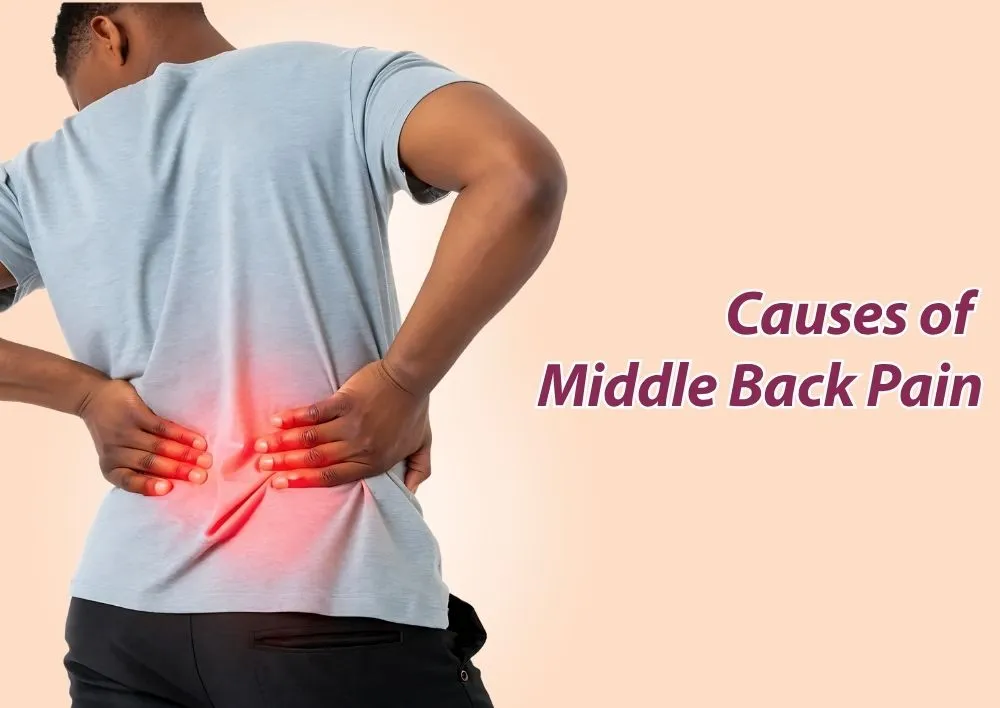
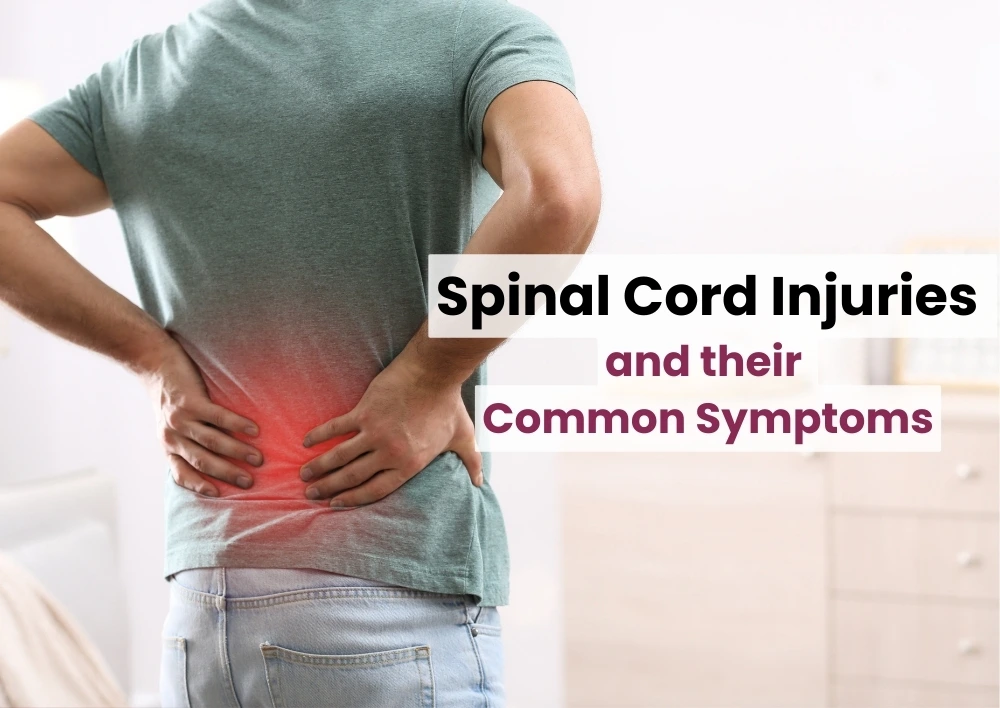
Chronic low back pain (CLBP) is the most prevalent orthopedic issue. It occurs in individuals of any age; however, the greatest risk factor for developing CLBP is a sedentary lifestyle, poor posture, and conditions related to the spine. Unlike acute back pain, which lasts for a short duration, chronic back pain continues and requires appropriate health care.
Chronic lower back pain refers to pain in the lower part of the spine that lasts for 12 weeks or more, even after the initial injury or cause has been treated.
It may be
Continuous or intermittent.
Limited to the back or radiating to the hips and legs.
Mild, dull ache or severe, sharp pain.
It affects mobility and quality of life.
Common symptoms include
Persistent pain in the lower back.
Stiffness, especially in the morning.
Difficulty standing or sitting for long.
Muscle tightness or spasms.
Pain radiating to the hips, buttocks, or legs.
Reduced flexibility and movement.
If pain lasts more than 3 months, a medical evaluation is necessary.
Many different medical conditions, injuries, and lifestyle actions can result in the development of chronic lower back pain. Identifying the exact cause can help doctors provide the most effective treatment and long-term relief. Common causes include
Muscle or Ligament Strain: Repeated stress on the back muscles and ligaments is a common reason for chronic pain. This might happen as a result of lifting heavily, a sudden movement, excessive activity, or incorrect body mechanics. If this is not treated appropriately, the pain can keep going, and could become serious.
Herniated or Slipped Disc: The cushions of the spine between the bones of the spine are called spinal discs. If a disc goes out of position, the disc may press on a nerve close to it, causing persistent low back pain and/or feelings of weakness or tingling sensations in one or both legs.
Degenerative Disc Disease: With increasing age, spinal discs naturally lose their flexibility and cushioning ability. This wear and tear can lead to inflammation, instability, and long-term lower back pain.
Arthritis: Arthritis of the spine can cause inflammation, stiffness, and pain in the lower back. Over time, arthritis can lead to reduced mobility as well as difficulty doing the things you do daily.
Spinal Stenosis: This condition occurs when the spinal canal becomes narrow, putting pressure on the spinal cord and nerves. It can lead to chronic back pain, weakness, numbness, and discomfort while standing or walking.
Poor Posture: Improper posture has negative effects on your lower back. Doing things like prolonged sitting, standing, and computer work can, over time, create damage to the muscles of the lower back and, therefore, cause pain that never goes away.
Injury or Trauma: Accidents, falls, or sports injuries can damage the spine, muscles, or ligaments. Even after the initial injury heals, some people may continue to experience pain in their lower back.
An accurate diagnosis is very important to find the root cause of chronic lower back pain and plan the most effective treatment.
Physical Examination: The doctor checks your spine, posture, movement, muscle strength, and tender areas to assess the severity and location of pain.
Medical History: You will be asked about your symptoms, pain duration, lifestyle, job, past injuries, and medical conditions to identify the cause.
X-ray: X-rays can also assist in finding and diagnosing problems, including fractures of the spine, degenerative conditions such as arthritis, malalignment or dislocation in the lumbar vertebrae.
CT Scan: Provides detailed cross-sectional images to detect bone and spine problems.
MRI Scan: Shows detailed images of discs, nerves, and muscles to find the slipped discs or nerve compression.
Nerve Tests: Help check whether nerves are compressed or damaged.
These tests help doctors find the exact cause of the problem and plan the right treatment.
Treatment of chronic low back pain will vary based on the underlying cause of the pain, the severity of the pain, and the health of the patient. Most patients with chronic low back pain are managed using non-surgical methods.
1. Non-Operative Treatment: Non-operative treatment options are typically the first step in managing chronic low back pain and may include:
Pain Medication: Non-steroidal anti-inflammatory drugs (NSAIDs), muscle relaxants, and prescription pain medications may provide relief from pain, swelling, and muscle spasms.
Physical Therapy: Physical therapy aims to strengthen the muscles surrounding the spine in addition to improving spinal motion and stability.
Exercise Therapy: Specific exercises prescribed for low back pain will improve posture, flexibility, mobility, and support the overall health of the spine.
2. Lifestyle Changes: Staying within a healthy weight range, performing regular exercise, and not remaining in a prolonged sitting position can help reduce stress/ strain on your spine.
Heat or Cold Applications: Applying heat helps relieve muscle tension/ spasm, and applying cold can help relieve inflammation and swelling of the area.
Postural Education: Learning how to maintain proper posture when sitting, standing, and lifting will help prevent further damage to the spine.
3. Advanced Non-Operative Treatments: If patients do not receive satisfactory relief from conservative methods of management, they may be referred to such treatments as:
Spinal Injections: Spinal injections help reduce inflammation and provide long-term pain relief.
Nerve Block: Nerve blocks are used to interrupt the transmission of pain from a specific nerve through the use of an injection. By stopping pain propagation along that particular nerve, the patient is able to achieve better comfort and mobility.
4. Surgical Treatment: If all conservative methods of managing low back pain have failed to provide relief and/or when patients have severe compression of nerves, or significant structural abnormalities of the spine, operative treatment may be appropriate.
Surgery may be recommended for conditions such as
Herniated disc.
Spinal stenosis.
Severe nerve compression.
Modern surgical options include
Minimally Invasive Spine Surgery: This technique uses small incisions, resulting in less pain, minimal tissue damage, and faster recovery.
Endoscopic Spine Surgery: A highly advanced procedure that reduces pressure on nerves with precision and promotes quicker healing.
These advanced surgical techniques offer safe treatment, faster recovery, and improved quality of life.
Certain factors increase the risk:
Aging
Sitting job
Obesity
Lack of exercise
Poor posture
Smoking
Heavy physical work
Previous spine injury
Simple lifestyle changes can prevent back pain:
Maintain correct posture
Exercise regularly
Strengthen back muscles
Avoid heavy lifting
Maintain healthy weight
Use proper chair support
Avoid prolonged sitting
Early care can prevent chronic pain.
Miracles Healthcare is considered one of the best hospitals for chronic lower back pain treatment in Gurgaon. We are offering comprehensive and advanced spine care under one roof. We have a team of highly experienced orthopaedists in Gurgaon, who focus on accurate diagnosis and effective treatment. Our expert doctors use advanced diagnostic facilities such as MRI, CT scan, and digital X-ray to identify the exact cause of back pain and recommend the most suitable treatment. We use minimally invasive procedures to ensure less pain, smaller incisions, and faster recovery.
In addition to medical and surgical treatment, patients benefit from personalized treatment plans, modern physiotherapy, and complete rehabilitation support to improve mobility and prevent future problems. The team focuses on treating the root cause of pain, not just the symptoms, helping patients return to their normal, active lives safely and comfortably.
Comprehensive Care for Your Health
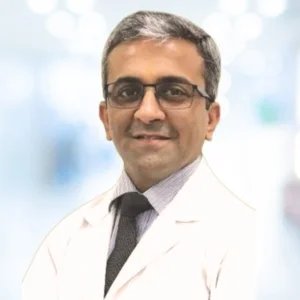
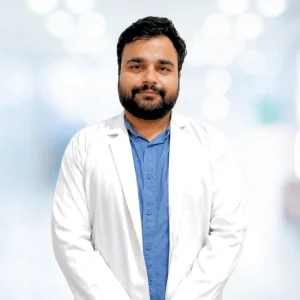
Meet our expert team of orthopaedic doctors where compassionate care meets expertise.








Inspiring Journeys: True Patient Stories

Thanks Mr. Nedrat Abdul for your grateful words fo...

Watch what one of our patient Mrs. Maria Amelin Ma...

Mr. Aadarsh Kumar - Patient Testimonial for Matern...

Our team at Miracles Healthcare takes extra care o...
Miracles Healthcare is a leading multispeciality hospital in Gurgaon. We are committed to providing comprehensive and high-quality medical care across all specialties under one roof.





Learn about the world class health care we provide
Source for Expert Advice and Health Tips


Learn about the world class health care we provide
It can be managed with physiotherapy, regular exercises, posture correction, medications, and advanced treatments like injections or minimally invasive surgery if needed.
A herniated disc pressing on a nerve is usually considered the most painful condition, causing severe back and leg pain.
Treatment includes physiotherapy, core strengthening, medications, spine injections, and surgery only in severe cases.
Sleeping on your back with a pillow under your knees or on your side with a pillow between your knees helps reduce pressure.
You can consult experienced orthopedic specialists at Miracles Healthcare for advanced back pain treatment in Gurgaon.
Yes, many cases can be permanently treated if the root cause is properly diagnosed and treated early with the right medical care and lifestyle changes.
Rest, hot or cold therapy, pain relief medicines, gentle stretching, and avoiding strain can help reduce pain quickly.
Yes, most L4-L5 problems improve with non-surgical treatments like physiotherapy, exercise, and lifestyle changes.
Muscle pain stays in the back and improves with rest, while disc pain often radiates to the leg, with numbness or tingling.


